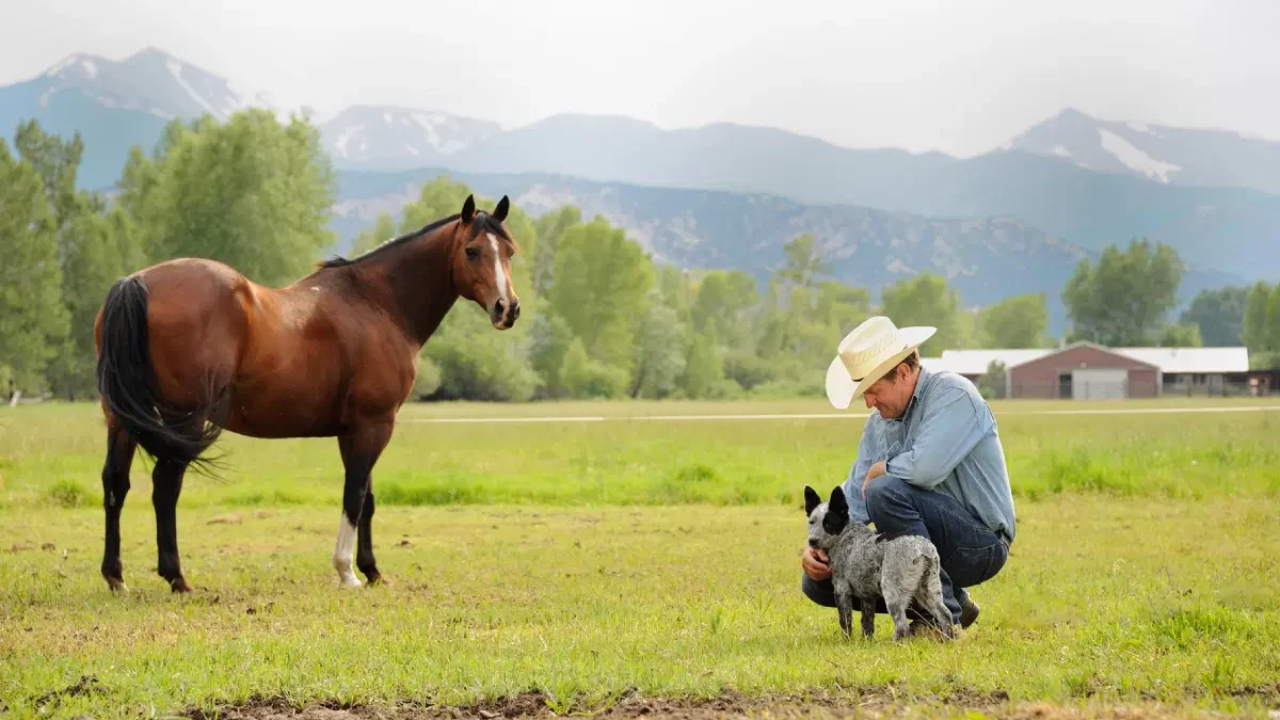
Most people look at a sprawling piece of historic land and see a postcard. They see weathered timber barns, jagged mountain peaks punching through the sky, and cattle grazing lazily against a backdrop of golden aspens. It looks permanent. It looks like it has always been there and always will be.
That is a dangerous illusion.
Down in Colorado, preserving a family homestead across six generations and 650 protected acres isn't a romantic accident. It's a brutal, exhausting war against property taxes, zoning pressures, water rights battles, and the relentless march of suburban sprawl. When you dig into the history of a century-and-a-half-old working ranch, you stop seeing a cute weekend getaway. You start seeing an absolute masterclass in grit, sacrifice, and long-term land stewardship.
The Reality Behind Century Old Land
Heritage sounds great on a plaque. In practice, trying to keep a historic property solvent for a century and a half requires an almost stubborn refusal to quit. The families who manage these multi-generational ranches deal with harsh realities that urban developers rarely factor into their glossy master plans.
Winter blizzards in the high country don't care about your family crest. A single dry year can wipe out hay production, forcing ranchers to sell off cattle just to pay soaring property assessments. When a piece of land stays intact for six generations, it usually means multiple siblings had to choose heritage over cash. They had to watch neighboring ranches get carved up into million-dollar subdivisions, knowing they left immense windfalls on the table.
Why do they do it? It's not nostalgia. It's an acute understanding of what happens when open space vanishes for good.
The Power of 650 Protected Acres
Let's talk about the math of conservation. Six hundred and fifty acres sounds massive to anyone living in a city, but in the context of the American West, it's a micro-ecosystem. Yet, protecting even a modest footprint through conservation easements completely changes the local environment.
Unfragmented land acts as a sponge for snowmelt, a filter for watersheds, and a highway for migrating wildlife. Elk, mule deer, and black bears don't recognize modern property lines. They rely on contiguous corridors of protected earth to survive seasonal shifts.
When a ranch family signs a conservation easement, they permanently restrict commercial development. They legally tie their own hands to protect the view, the soil, and the water table. That takes a specific kind of mindset. You have to care more about what the land looks like a hundred years from now than what it can buy you tomorrow.
What Modern Development Gets Wrong
Modern real estate philosophy treats land as a blank canvas waiting to be monetized. Pave it, grade it, put up smart homes with zero-scape yards, and call it a planned community.
It fails every single time ecologically.
When you fragment a historic Colorado ranch, you break natural drainage patterns. You force wildlife into smaller, isolated pockets where they starve or end up on highways. You replace native grasses that evolved over millennia to hold stubborn topsoil with non-native lawns that demand massive chemical and water inputs.
The traditional ranching model, when done responsibly, works with the natural rhythms of the ecosystem. Rotational grazing mimics the historic movement of massive bison herds. It actually builds rich organic matter in the soil, capturing carbon rather than releasing it into the atmosphere.
How to Support Land Conservation Yourself
You don't need a six-generation homestead or half a mountain to make a tangible difference. Protecting open spaces and agricultural heritage requires active participation from people who live thousands of miles away from the Rockies.
Support local land trusts. Organizations like the Colorado Open Lands or similar regional groups across the country work directly with landowners to establish permanent easements. Your donations to these entities fund appraisals, legal defense funds, and stewardship endowments that keep historic lands safe from bulldozers.
Pay attention to where your food and fiber come from. Buy beef, wool, and produce from regional producers who practice regenerative agriculture. When family-owned operations remain economically viable through direct-to-consumer sales, they don't have to sell out to industrial developers out of desperation.
Advocate for sensible tax policies at your local level. Many states have agricultural exemptions or inheritance tax structures that inadvertently force families to sell historic farms and ranches just to pay the IRS after an elder passes away. Fixing those laws keeps heritage intact.
Land doesn't protect itself. It takes human stubbornness, deep pocket sacrifices, and a community willing to value history over quick profit. Stop taking the green spaces around you for granted. Fight to keep them wild.