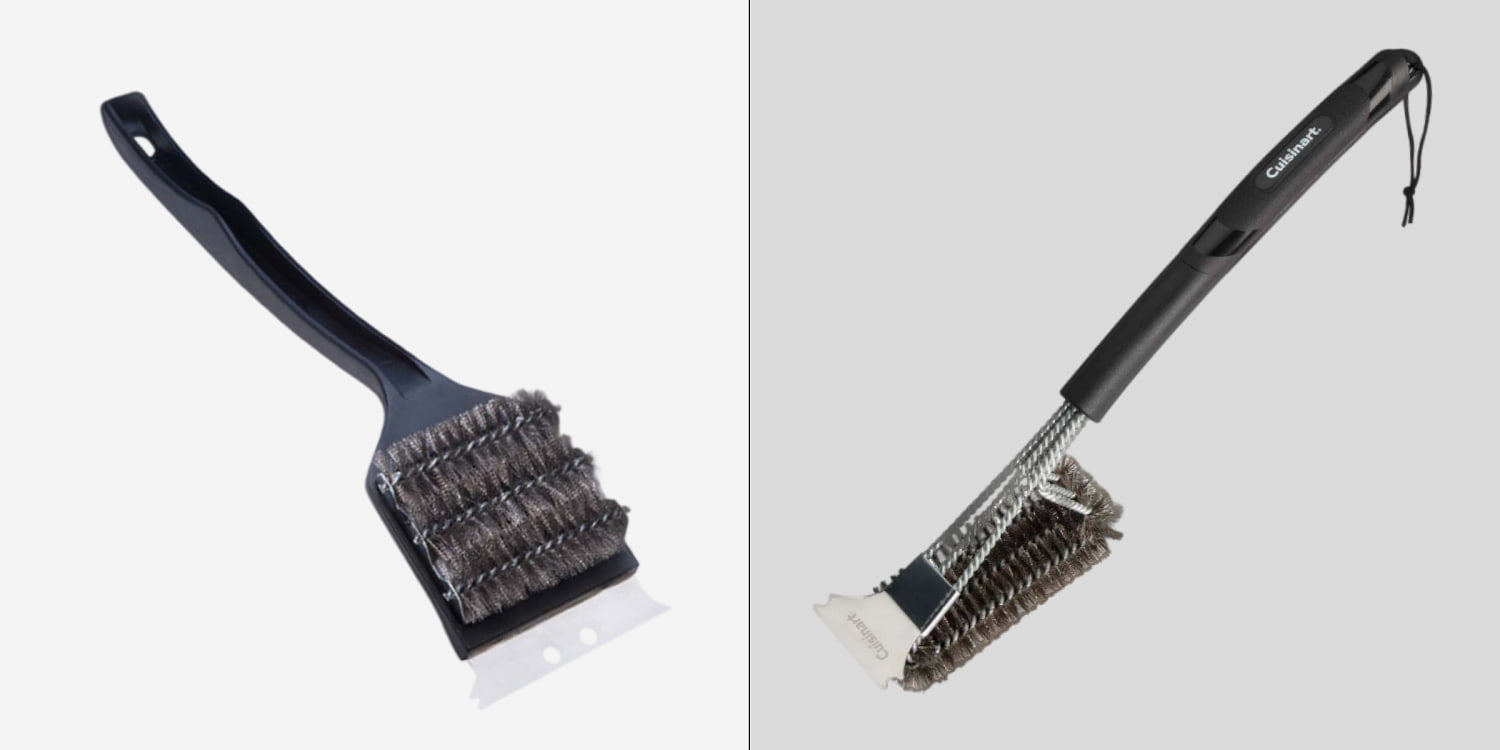
The U.S. Consumer Product Safety Commission confirmed an expansion of the Cuisinart metal wire bristle grill brush recall, bringing the total number of defective units pulled from the market to approximately 3.6 million. Originally targeting roughly 1.7 million brushes across eight specific models, the regulatory body and manufacturer Conair widened the safety alert to encompass all Cuisinart-branded wire bristle grill brushes sold individually or within tool bundles between June 2009 and March 2026. Federal regulators cite at least 54 distinct reports of bristles shearing off during routine cleaning, resulting in three documented cases where individuals swallowed the stray metal wires and required emergency medical intervention to extract them from their throats and digestive tracts.
For anyone planning a seasonal backyard cookout, the timing of this expanded directive underscores a persistent hazard that the outdoor cooking sector has spent decades failing to engineer out of existence. Small, rigid steel wires embedded in standard cleaning tools are prone to fatigue, snapping under thermal stress and abrasive friction against hot iron grates. Once separated, these microscopic projectiles blend seamlessly into charred cooking surfaces, waiting to transfer onto burgers, steaks, and vegetables before making their way into the human body.
The Anatomy of a Silent Kitchen Hazard
Medical literature has long classified stray wire ingestion as a uniquely insidious emergency. Unlike accidental bone swallowing or sharp food fragments, steel wire bristles possess high tensile strength and a narrow gauge that allows them to bypass oral detection. Once swallowed, these sharp filaments can easily perforate the esophagus, embed themselves in the stomach lining, or cause severe lacerations throughout the intestinal tract.
Federal data indicates that the Cuisinart action is far from an isolated incident. Major manufacturers across the outdoor lifestyle space face identical structural reckoning. Earlier this year, regulatory actions forced the recall of millions of units from brands like Weber and Nexgrill, pointing to a systemic material failure rather than a manufacturing defect unique to a single company. When retail prices for these tools hover between eight and twenty dollars, cost optimization often supersedes material resilience, resulting in stapled or twisted wire designs that degrade rapidly under regular thermal cycles.
Navigating the Corporate Remedy Process
Owners of affected Cuisinart hardware face a straightforward protocol dictated by federal safety mandates, though executing it requires patience. Conair has partnered with an online processing platform to manage the influx of claims. Consumers are instructed to cease using any wire-bristle brush bearing the Cuisinart name immediately, regardless of whether individual bristles appear secure.
To secure compensation, verification relies on photographic proof alongside a handwritten destruction code assigned during the digital registration process. Eligible participants can choose between a standard financial reimbursement via check or an enhanced store credit valid on the official Cuisinart marketplace. This credit option includes an additional twenty percent bonus value over the original cash amount. Proof of purchase or original retail receipts are not required to claim the remedy, acknowledging the reality that these tools frequently circulate as gifts or bundled components within multi-piece grill sets bought years prior.
Modern Alternatives for Safe Grate Maintenance
Discarding a preferred cleaning tool leaves a functional vacuum for home cooks accustomed to heavy steel bristles. The market has gradually shifted toward safer alternatives that eliminate the risk of metallic ingestion entirely.
- Wood scrapers: Custom-grooved hardwood paddles conform over time to the exact pitch of individual cooking grates, scraping away carbon buildup without leaving behind dangerous fragments.
- Woven mesh pads: Heavy-duty stainless steel mesh balls provide aggressive scouring action without individual wire filaments capable of breaking loose and migrating into food.
- Sisal and tampico fiber brushes: Natural stiff-fiber heads offer high resistance to heat while breaking down harmlessly if a stray strand happens to detach on a hot surface.
Relying on visual inspections of old metal brushes offers zero genuine protection. A tool that appears structurally sound under kitchen lighting can shed multiple steel fibers during a single high-heat pass over cast iron.
Transitioning away from wire-based cleaning implements represents a permanent fix to a recurring structural hazard. Inspecting legacy tool collections, executing manufacturer claims for qualifying units, and adopting non-metallic cleaning alternatives removes an invisible risk from the backyard cooking experience entirely