The floorboards at six in the morning are an indictment.
If you have ever stood up after a twelve-hour shift on concrete, or hobbled out of bed after a weekend marathon, you know the precise temperature of that pain. It is not an ache that lives in the muscles. It is sharper, more intimate. It radiates upward from the metatarsals, clawing through the arches, settling deep into the marrow of the heel. It feels as though the small bones in your feet have been unzipped and reassembled backward.
We accept this as the tax of movement. We pay it in wincing steps, in ibuprofen swallowed dry with tap water, in expensive orthopedic inserts that promise miracles from inside stiff leather prison cells.
Thirty days ago, we decided to stop paying.
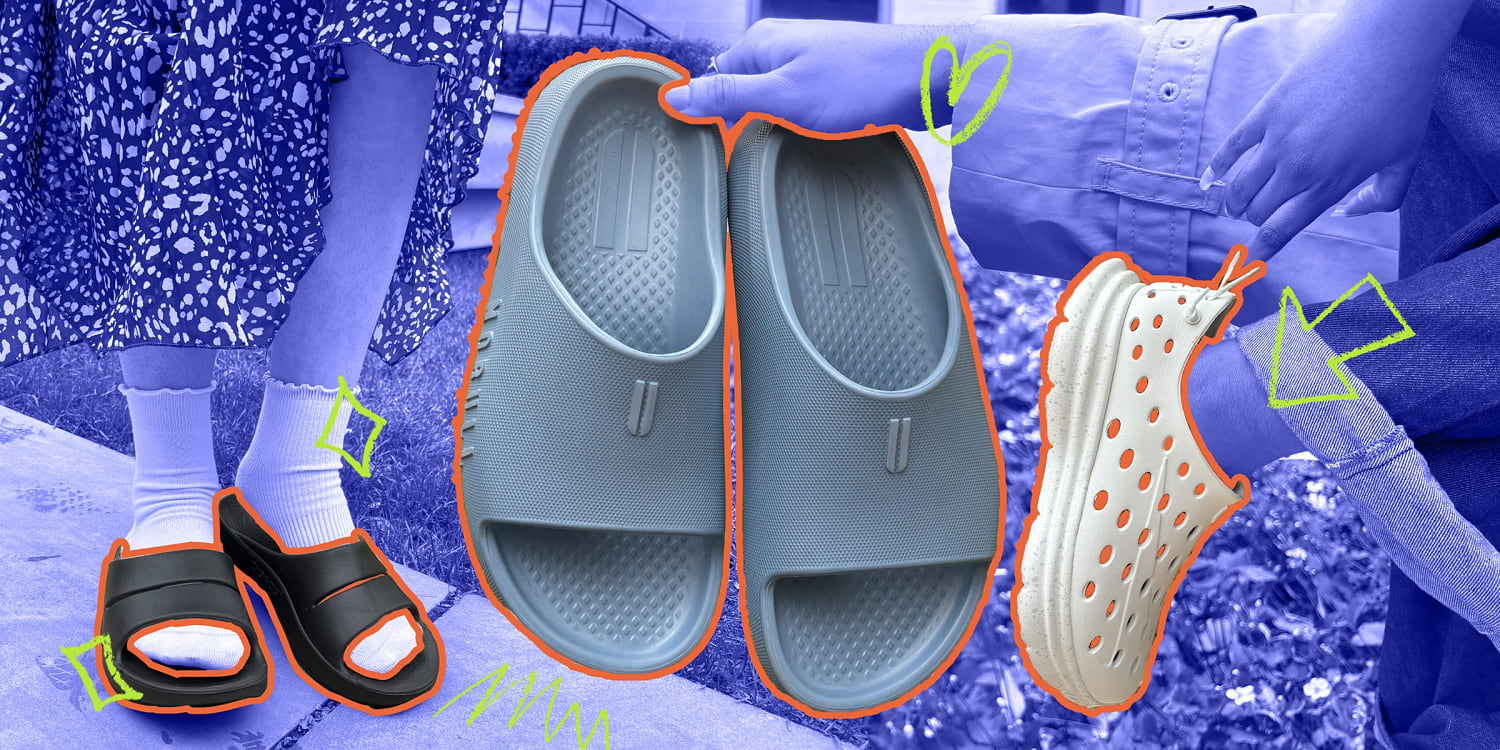
We gathered eleven pairs of recovery shoes—those oversized, marshmallow-soled, aggressively engineered contraptions that look less like footwear and more like hovercraft modules—and we put them through a brutal, unsparing month of real life. We wore them after grueling runs on asphalt. We wore them while standing at kitchen islands chopping vegetables until midnight. We wore them through airports, grocery store aisles, and the quiet, throbbing aftermath of physical exhaustion.
What we found changed how we understand the mechanics of rest.
The Anatomy of the Collapse
To understand why recovery shoes exist, you first have to understand what happens to your feet when you move through the modern world.
Imagine walking across a sheet of granite for sixteen hours. That is essentially what walking in standard running shoes or dress shoes on urban pavement feels like. Every single step sends a shockwave rushing up the kinetic chain. Your calf muscles tighten. Your Achilles tendon shortens like a guitar string tuned too high. Your plantar fascia—that thick, fibrous band of tissue running along the bottom of your foot—stretches until it microscopically tears, crying out for mercy.
Standard footwear is built for propulsion. It is engineered to spring you forward, to grip the earth, to lock your heel in place. But propulsion requires tension. And tension, sustained indefinitely, becomes cruelty.
When the workout ends, the damage continues. Most people kick off their running shoes and walk barefoot on hardwood floors, or slip into flat sandals that offer zero suspension. They think their feet are resting. They are wrong. Without external support, the arch collapses under its own fatigued weight, stretching the already traumatized tissue all over again.
We learned this the hard way on day three, testing a sleek, minimalist pair that felt wonderful during a slow jog but left us whimpering by evening. The foot needs more than a break. It needs active decompression.
The Science of the Cloud
Recovery footwear approaches this problem with a radically different philosophy: maximum volume, maximum cushioning, minimum resistance.
When you slide an exhausted foot into a true recovery shoe, the sensation is disorienting. There is no snap, no rigid arch template digging into your instep. Instead, there is an immediate, enveloping softness that feels almost illicit.
The secret lies in the compound. Brands are utilizing specialized, high-rebound EVA foams or proprietary botanical blends that compress drastically under body weight. This high energy return does something counterintuitive: it absorbs the shock that your joints would normally shoulder, while allowing the foot to splay naturally.
Take the oversized rocker-sole designs that dominated our testing period. When you step forward in one of these, the shoe does the work of rolling through the gait cycle. Your ankle doesn't have to flex as hard. Your toes don't have to grip to push off. It is the footwear equivalent of being carried across a room by four strong friends.
For two weeks, we tracked our recovery metrics using sleep scores, subjective morning soreness ratings, and simple tactile feedback—how many steps it took before the morning stiffness subsided from ten minutes down to thirty seconds.
The results were not subtle.
The Contenders in the Crucible
Testing eleven distinct pairs meant living with distinct personalities on our feet. Some were aggressive clouds; others were subtle stabilizers.
There were the foam slides that lived by the back door—the ones we slipped into immediately after ripping off our running shoes in the driveway. They were ugly, bulbous things that looked like miniature canoes strapped to our ankles, but sliding into them after a fifteen-mile training run felt like lowering a sunburned body into a cool bath.
Then there were the enclosed recovery shoes, fitted with knit uppers that hugged the midfoot without applying pressure to bruised toes. These became the uniform for long-haul travel. Anyone who has ever tried to put their shoes back on after a cross-country flight knows the horror of the inflight foot-expansion phenomenon. In a proper recovery shoe with a wide toe box, your toes can actually breathe. They can spread out. They remember what it feels like not to be crushed together in a vertical vice.
We put a pair through a grueling weekend of home renovation—twelve hours straight of standing on concrete while painting baseboards and laying tile. By hour eight, the lower back usually seizes up, a direct downstream consequence of foot fatigue. With the plush, shock-absorbing midsoles distributing the load evenly across the entire surface of the sole, the familiar lumbar ache stayed away.
It was a quiet revelation. We weren't just saving our feet; we were preserving our stamina for the rest of our skeletal system.
The Truth About the Hype
Let us be entirely transparent: recovery shoes are not magic. They will not reverse structural injuries or cure chronic plantar fasciitis overnight. Anyone telling you that a piece of molded foam is a medical cure-all is selling something.
Furthermore, wearing them all day, every day, can actually backfire. Just as wearing a cast weakens a broken arm, wrapping your feet in hyper-cushioned support twenty-four hours a day can let your intrinsic foot muscles grow lazy.
The magic happens in the transition. They are recovery tools, not lifestyle replacements. You wear them when your body is screaming for relief. You wear them in the critical window immediately following extreme physical stress, when the tissue is inflamed and begging for sanctuary.
By week three of our test, our relationship with our feet had shifted from adversarial to cooperative. We stopped ignoring the warning signals. We stopped treating pain as a badge of honor.
On the final morning of the test, we woke up, placed our feet on the cold wooden floor, and waited for the familiar spike of agony.
It didn't come.
The floor was still cold, but the sharp, biting pain in the arch was gone, replaced by a dull, manageable awareness of muscles that had simply done a hard day's work and been allowed to heal properly.
We slipped into our oversized, ridiculous-looking foam slides, walked down the hall to make coffee, and realized something profound. Sometimes, the path to moving forward requires nothing more than giving your body a safe place to land.