The fluorescent lights of a 24-hour diner in rural Manitoba don’t usually feel like the backdrop for a revolution. But for Elena, a line cook who moved from Manila three years ago, the hum of the industrial refrigerator is the soundtrack to a high-stakes waiting game. She has spent thirty-six months building a life in a town where she knows the coffee preferences of every regular, yet her right to stay has always felt as thin as the paper her work permit is printed on.
Until now.
For years, the Canadian immigration system felt like a giant, impersonal lottery. You submitted your points, you waited for a "draw," and you hoped the math worked in your favor. If you were already here, working, paying taxes, and shoveling snow alongside your neighbors, it didn't seem to matter. You were still just a number in a digital line.
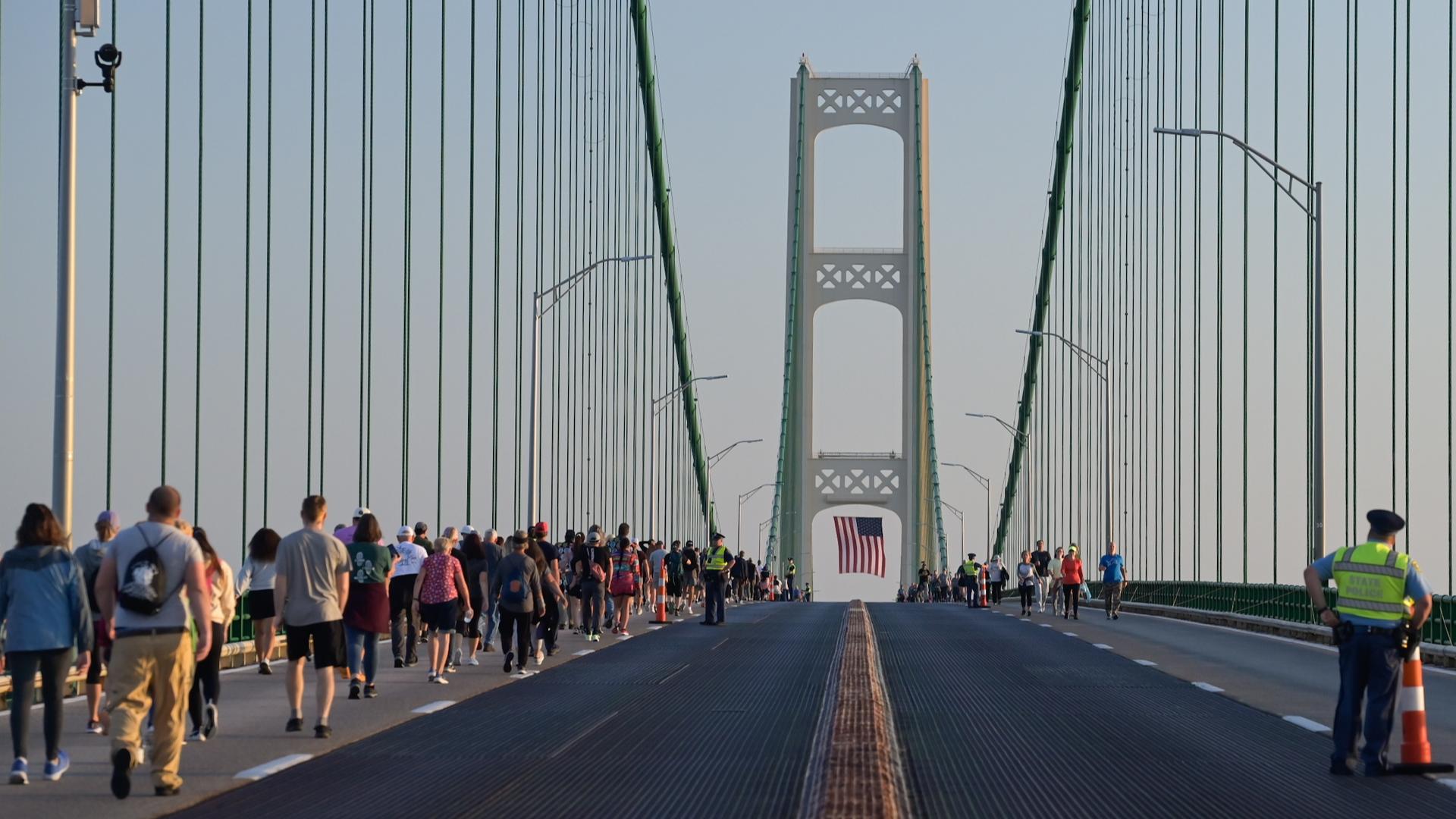
The recent announcement by Immigration Minister Lena Metlege Diab changes the nature of that gamble. It isn't just another policy update or a dry adjustment to the 2026–2028 Immigration Levels Plan. It is a bridge. Specifically, a 33,000-person bridge designed to catch people like Elena before they fall through the cracks of an expiring permit.
The Human Math of 33,000
Numbers in government press releases often feel hollow. We hear "380,000 permanent residents" or "5% population caps" and our eyes glaze over. But the 33,000 spaces allocated for the new Temporary Resident to Permanent Resident (TR to PR) pathway represent something far more visceral.
They represent a shift in philosophy.
For the first time in a long time, the government is looking at the people standing right in front of them—the ones already integrated into the workforce—rather than looking solely at resumes sitting in overseas databases. This "one-time" measure is a lifeline for temporary foreign workers in sectors that the country quite literally cannot function without: healthcare, the skilled trades, agriculture, and hospitality.
But there is a catch.
Speed is no longer just a virtue; it is the only currency that matters. With 1.9 million permits set to expire across the country in 2026 alone, 33,000 spots will vanish in a heartbeat. It’s a game of musical chairs where the music has just started to slow down, and everyone is looking for a place to sit.
The Rural Pivot
Consider the geography of hope. In the past, the "immigration dream" was almost exclusively tethered to the glass towers of Toronto or the mountain views of Vancouver. However, this new pathway has a distinct, rustic scent.
The Minister has made it clear: if you are working in a rural or remote community, the doors are swinging wider for you. Canada is realizing that it doesn’t just need more people; it needs more neighbors in the places where the population is thinning out.
For a welder in a small town in Northern Ontario or a personal support worker in the Maritimes, this is a massive tactical advantage. The government is effectively rewarding those who have chosen to build their lives outside the "Big Three" cities. They are looking for roots, not just residents.
The Invisible Stakes of the "Soft Launch"
The government didn’t launch this with a parade. It arrived as a "soft launch" in March, with the full gates expected to open this month. This quiet rollout was a test of readiness.
Imagine the bureaucracy as a massive, aging engine. If you pour all the fuel in at once, it stalls. By easing into the TR to PR pathway, the IRCC (Immigration, Refugees and Citizenship Canada) is trying to avoid the catastrophic backlogs of years past.
But for the applicant, this quietness is dangerous.
If you aren't paying attention, you’ll miss the moment the portal becomes a floodgate. The requirements aren't just boxes to check; they are hurdles in a sprint. You need your language test results (IELTS or CELPIP) in hand today. Not next week. Not when the news hits the front page. Today. You need your Educational Credential Assessment (ECA) verified. You need your employer reference letters to be precise, detailing your NOC codes with the accuracy of a legal brief.
Why This Feels Different
There is a specific kind of exhaustion that comes with being a temporary resident. It’s the inability to buy a house because you don't know if you'll be here in two years. It’s the hesitation to fully decorate a nursery. It’s the "temporary" label that sits on your chest like a lead weight.
The 2026 pathway is an admission of a hard truth: Canada’s economy has become addicted to temporary labor, and the social cost of that addiction is becoming too high. By transitioning 33,000 of these workers to permanent status, the government is attempting to mend the social fabric.
They are moving away from the "guest worker" model and back toward the "nation builder" model.
But make no mistake, the window is narrow. The focus on "in-demand" sectors means that if you are a marketing consultant on a work permit, this bridge wasn't built for you. This is for the people who get their hands dirty, the people who heal, and the people who keep the supply chains moving.
The Final Sprint
Back in that Manitoba diner, Elena isn't reading the 2026–2028 Immigration Levels Plan. She is checking her email. She is calling her sister to ask about a misplaced birth certificate. She is studying for a language test after a twelve-hour shift.
The TR to PR pathway isn't a gift. It’s a contest. It’s an acknowledgment that while Canada needs workers, it specifically needs the ones who have already proven they can survive a Canadian winter, navigate a Canadian tax return, and contribute to a Canadian community.
The music is playing. The chairs are few. But for 33,000 people, the "temporary" label is about to be peeled away, revealing something much more permanent underneath. The bridge is open, but only for those who are already standing at the edge, bags packed, documents ready, waiting for the signal to cross.
The signal just turned green.