Midnight in Manhattan smells like ozone, stale black coffee, and the specific brand of nervous sweat that only comes from knowing millions of people are watching you fail in real time.
Down on Eighth Avenue, the marquee of Studio 8H hums. Inside, the floor is littered with discarded cue cards, crushed paper cups, and the psychic wreckage of a Monday-night table read that went sideways. For over half a century, this room has functioned as a cultural pressure cooker. It is a place where young comics walk in as underground legends and walk out as targets of a national, hyper-partisan crossfire. Meanwhile, you can explore related events here: The Lasting Resonance Of Pete Byrne And The Undervalued Architecture Of Synth Pop.
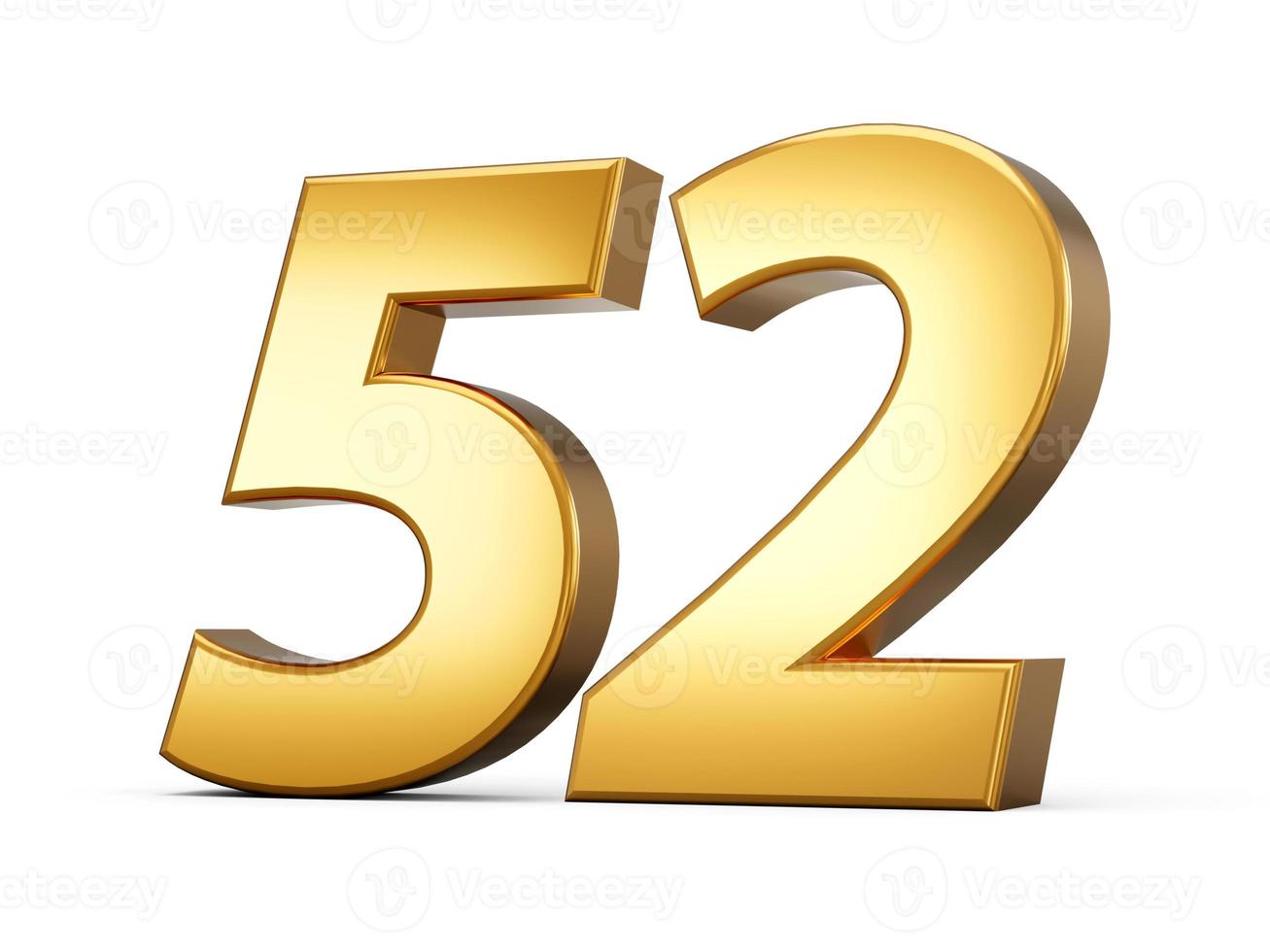
Now, the show stumbles into its fifty-second season.
Fifty-two years. Think about what that means in human terms. When Lorne Michaels first assembled a ragtag group of misfits in 1975 to fill a late-night void, Gerald Ford was in the White House, disco was a newborn threat, and television was broadcast through glass boxes that glowed like campfires in the living room. Entire generations have been born, raised, grown cynical, and found God in the time this institution has spent arguing about what is funny. To explore the bigger picture, check out the excellent report by IGN.
Yet, every Saturday at 11:30 PM Eastern, the machinery cranks back to life. Why?
To understand the longevity of Saturday Night Live, you have to abandon the idea that it is a comedy show. It stopped being just a comedy show a very long time ago. It is an emotional barometer for a fractured republic. It is a mirror held up to a country that can no longer agree on what a joke even is.
Walk onto the floor during a tech rehearsal on a Thursday afternoon, and the first thing that hits you is the silence of anticipation.
The cast members look small under the towering lighting rigs. They are huddled in clusters, clutching crumpled scripts with hasty blue-ink rewrites scrawled in the margins. A sketch about a bizarre local news broadcast or an awkward family Thanksgiving is falling apart in real time because the punchline lands three beats too late.
In television, timing is everything. But in live sketch comedy, timing is a matter of survival.
Consider the modern challenge facing the ensemble as Season 52 gets underway. How do you satirize a political landscape that has become entirely self-parodying? When real life routinely out-absurds the most imaginative writers’ room, traditional satire dies a quiet death. You cannot mock a clown show by simply pointing at the clowns; the audience has already seen the trick a thousand times.
The writers know this. You can see it in their eyes as they stare at the glowing monitors, waiting for the studio lights to flicker. They are navigating an era where every joke is immediately scrutinized by millions of amateur critics on pocket-sized supercomputers before the sketch even finishes airing. The margin for error is razor-thin. One miscalculated trope, one poorly timed impression, and a performer is instantly subjected to a digital pillory.
And yet, they step out onto that stage anyway.
That is the hidden bravery of the enterprise. Every week, a fresh batch of actors and writers straps themselves into a rocket fueled by caffeine and pure terror, knowing full well they might crash and burn in front of an audience of ten million people. There is no safety net. No second takes. If a prop sticks, you improvise. If the audience groans instead of laughs, you swallow your pride and ride the silence down.
To grasp where the show stands right now, we have to look backward to understand the weight of the current moment.
In its golden eras, Saturday Night Live felt like a secret club for the culturally disenfranchised. It was dangerous. It gave voice to the weirdos, the cynics, and the counter-cultural youth who felt alienated by mainstream media. John Belushi hurling himself across a desk wasn't just physical comedy; it was an act of televised anarchy. Eddie Murphy didn't just play characters; he commanded the room with a swagger that forced a segregated industry to pay attention.
Over the decades, the show transformed from an insurgent movement into establishment royalty. This is the great tragedy and triumph of longevity. You cannot be the punk rock band in the basement once you are headlining Madison Square Garden and being invited to white-tie dinners.
As Season 52 unfolds, the tension between establishment safety and insurgent edge is palpable. The current cast represents a fascinating generational handoff. Veteran anchors who have weathered multiple presidential administrations are sharing workspace with fresh faces who grew up watching clips of the show on TikTok rather than staying up late to watch it live on a cathode-ray tube.
This creates a generational friction in the writers' room. What makes a twenty-two-year-old internet-native writer laugh often leaves a forty-something veteran scratching their head, and vice versa. But that friction is the engine of the machine. Without it, the show would curdle into nostalgia or devolve into irrelevance.
Let us be honest about the critiques.
For years, critics have worn out the phrase "the show isn't as good as it used to be." It is the oldest refrain in television history. People said it in 1982. They said it in 1994. They screamed it from the rooftops during the political storms of the 2010s.
That critique misses the fundamental nature of the beast. Saturday Night Live was never meant to be consistently brilliant. By its very design—written in days, rehearsed in hours, and performed live without a net—it is meant to be flawed. It is a live laboratory where experiments fail publicly.
When you tune in on a Saturday night, you are not paying for perfection. You are paying to watch people attempt the impossible. You are watching a tightrope walker cross a canyon in a gale-forced wind. Sometimes they make it to the other side with breathtaking grace. Sometimes they tumble into the ravine. Both outcomes draw an audience.
As the calendar turns deep into this fifty-second season, the cultural climate feels heavier than it has in decades. Polarization has calcified into trench warfare. Humor has become heavily weaponized, with ideological factions demanding ideological purity from their jesters. In such an environment, the role of the late-night comedian is no longer just to make people laugh; it is to offer a pressure valve for a society on the verge of a collective nervous breakdown.
Imagine sitting in the back of the studio, just behind the camera cranes, as the ten-second countdown begins.
The floor manager raises a hand. Fingers fold down one by one. Ten. Nine. Eight.
The noise of the bustling crew evaporates instantly. A profound, heavy hush falls over the massive room.
Five. Four. Three.
On stage, the actors take a breath, straightening their costumes, locking their expressions into place.
Two. One.
The iconic red "LIVE" light flares above the camera lens. The brassy, unmistakable strains of the band kick in, blaring through the monitors with a brassy roar that shakes the floorboards.
For the next ninety minutes, the noise of the outside world—the elections, the economic anxieties, the digital tribalism, the endless stream of bad news—is locked outside the heavy oak doors of Studio 8H. Inside, for a brief, fleeting moment, a few dozen tired, brilliant, terrified people are going to try to make America laugh at itself.
They will probably stumble at least once. Some sketches will fall flat. Some jokes will miss the mark entirely. But somewhere in the middle of the chaos, lightning might strike. A new character will be born, a sacred cow will be skewered, or a simple human absurdity will be laid bare with such precision that millions of people sitting alone in the dark will smile, turn to each other, and say, "Yeah. Exactly."
That is the vigil. That is the magic. And that is why the lights are still burning on Eighth Avenue.