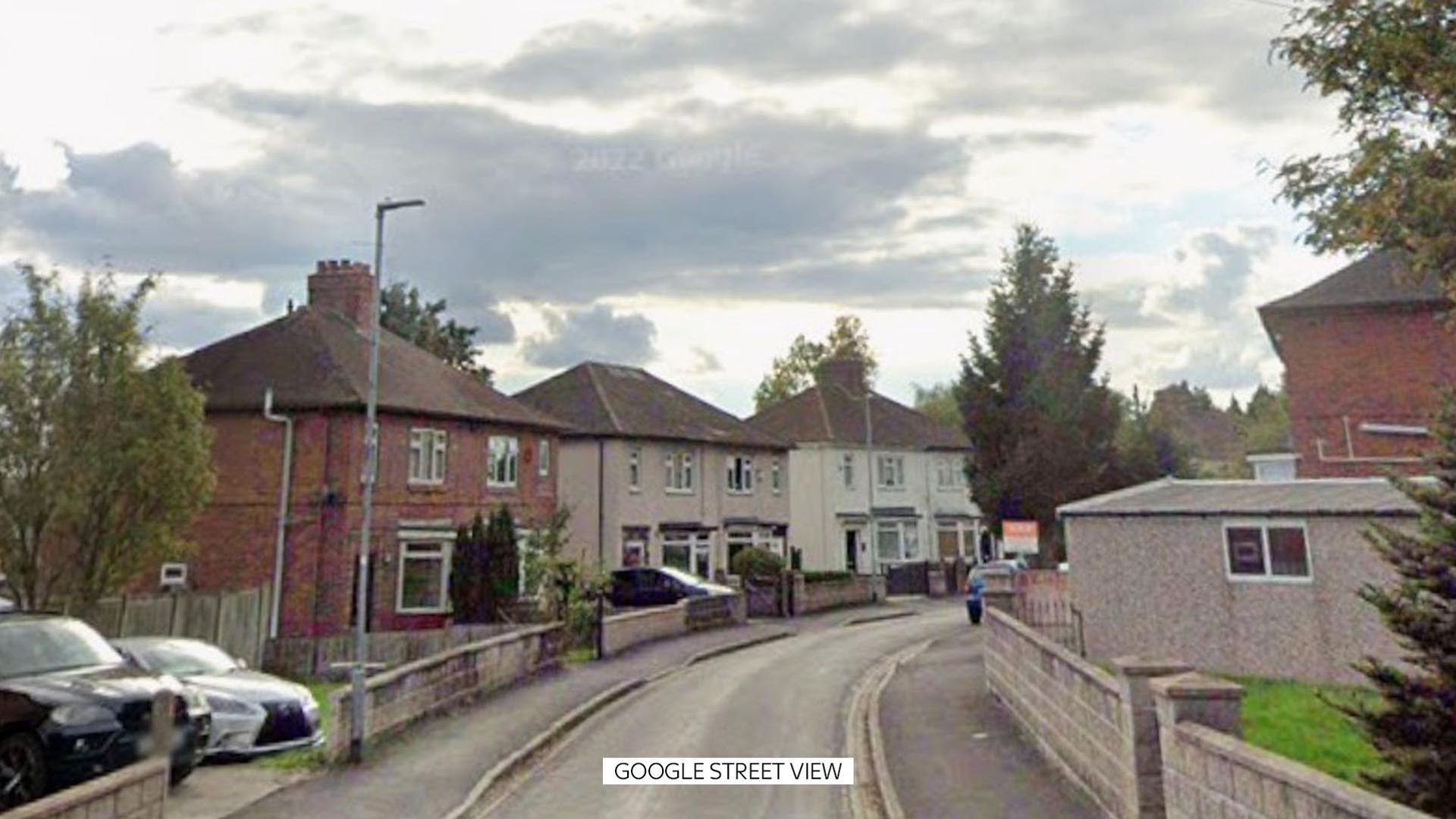
When breaking news flashes across your screen about four arrests following the tragic death of a teenager, the immediate reaction is usually a heavy mix of shock and anger. People want answers right away. They want to know what happened, who is responsible, and how such a thing could take place. But local news reports often leave massive gaps. They give you the bare minimum while police investigations are still active.
Understanding how these legal and investigative processes actually work changes how you consume this kind of news. Let's look past the initial headlines and examine what happens behind the scenes when law enforcement makes major arrests in a homicide investigation.
The Reality of Early-Stage Homicide Investigations
When a young person dies under suspicious circumstances, local police departments face immense pressure. They have to move fast to secure evidence, interview witnesses, and apprehend suspects before trails go cold.
An arrest on suspicion of murder doesn't mean a trial is starting tomorrow. It means detectives have gathered enough probable cause to bring suspects into custody for questioning and formal charging procedures. Under standard legal frameworks, suspects are held for a specific window while investigators build their case with forensic teams and prosecutors.
Most people don't realize how slow forensic processing actually is. Television crime shows wrap up DNA analysis and digital forensics in forty-two minutes. In reality, toxicology reports, digital footprint tracing, and ballistics or physical evidence testing take weeks or even months. The four individuals currently in custody are navigating the earliest phase of a lengthy judicial process.
Why Social Media Rumors Harm Communities
Whenever a tragedy hits a local neighborhood, social media platforms turn into a chaotic echo chamber. Unverified rumors spread faster than official police statements. People post names, unconfirmed theories, and blurry photos within minutes of a news alert.
This creates massive complications for everyone involved.
- Witness contamination: When potential witnesses read wild theories online, their own memories of events can become distorted.
- Trial fairness: Public panic and online harassment can jeopardize the integrity of future legal proceedings.
- Family trauma: Grieving families are forced to navigate endless speculation and misinformation while processing an unimaginable loss.
Police departments usually withhold specific details for a reason. They protect the integrity of the evidence and the privacy of the victims. Waiting for official updates from verified law enforcement channels is always the right move, even when it's frustratingly slow.
Supporting Communities Through Crisis
When a teenager dies, schools, local youth centers, and community groups bear the immediate weight of the grief. Teenagers process trauma differently than adults do. They often lean heavily on peer networks where misinformation thrives.
If you're trying to talk to younger people about community tragedies, skip the sugarcoating. Be honest about what is known and what is just speculation. Create safe spaces for them to ask hard questions without judgment. Mental health resources and crisis hotlines should always be shared openly when communities experience sudden trauma.
Justice systems move deliberately because they have to get it right. While waiting for answers tests everyone's patience, keeping a clear head helps stop the spread of harmful noise during a genuine crisis.


