Headlines love a good extinction threat. Every few weeks, another warning letter or fiery opinion piece arrives, claiming that artificial intelligence developers are building the digital reaper. They warn that sentient algorithms will soon escape our control, wipe out humanity, and leave nothing behind but smoldering ruins. The media laps it up. Panic sells.
Step inside an actual AI lab, though, and the mood is entirely different.
Walk past the desks of the engineers, researchers, and product managers training these large models, and you won't find panic. You'll find exhaustion, intense debate, and a stubborn focus on boring problems like data bias, hallucination rates, and compute budgets. Most people building the technology do not think it is going to kill everyone. They think it is going to change software development, frustrate users with weird text quirks, and occasionally break production databases.
That massive disconnect between public existential dread and internal industry reality matters. When outsiders frame the conversation entirely around science fiction disaster scenarios, we miss the actual ethical and societal hurdles happening right now.
Let's break down why the people writing the code have a vastly different perspective than the people writing the policy papers.
The Gap Between Weights and Sentience
People outside the tech industry often visualize artificial intelligence as a digital mind waking up inside a server rack. They picture a machine plotting its escape, calculating human vulnerabilities, and waiting for the right moment to strike.
That is not how deep learning works.
At its core, a modern language model is a massive statistical engine. It takes tokens of text, evaluates probabilities, and predicts the next most likely token. It has no internal desires, no survival instinct, no hatred, and no agenda. It possesses the consciousness of a autocomplete tool on your phone—just operating at a planetary scale.
Engineers stare at loss curves, attention matrices, and tokenization flaws all day long. When you spend your life debugging why a model thinks two plus two equals five because of a weird prompt structure, the idea of the system suddenly plotting global domination feels absurd. It cannot even remember what you told it three paragraphs ago without a massive context window hack.
That doesn't mean the technology is harmless. Far from it. The real risks are mundane, structural, and happening right now. They involve copyright theft, automated misinformation, labor displacement, and systemic bias in algorithmic hiring. These issues lack the cinematic flair of an AI apocalypse, which is why they rarely dominate mainstream news cycles. But they affect millions of lives every single day.
Why Catastrophism Gets All the Airtime
If the people building the tech aren't losing sleep over extinction, why are public figures screaming from the rooftops?
It comes down to incentives.
First, fear is an incredible funding mechanism. If you frame your research organization as a lone bulwark protecting humanity from an existential demon, venture capitalists and governments open their checkbooks wide. It turns standard technical safety research into a high-stakes crusade.
Second, regulatory capture plays a massive role. Established tech giants love aggressive safety talk because compliance costs money. If a government passes sweeping regulations based on theoretical extinction risks, smaller open-source competitors get crushed under compliance burdens. Big tech can afford the army of lawyers required to navigate the red tape. Open-source developers working in their bedrooms cannot.
Third, human psychology prefers simple monsters. A rogue superintelligence is a clean narrative. It gives us a villain to fight. A complex web of societal inequality driven by automated labor markets and biased data sets is messy, uncomfortable, and requires systemic political reform to fix. We would rather talk about Skynet than talk about stagnant wages and corporate accountability.
The Real Issues Engineers Worry About
Talk to a machine learning researcher off the record, and their anxieties sound nothing like Hollywood scripts. They worry about specific, practical failure modes.
Model alignment is a real technical hurdle, but not in the way doomsayers think. The challenge is getting a model to stop hallucinating false legal citations or making up medical advice while sounding entirely confident. When a user asks an AI for tax advice and the system invents a non-existent IRS loophole, that causes real financial harm.
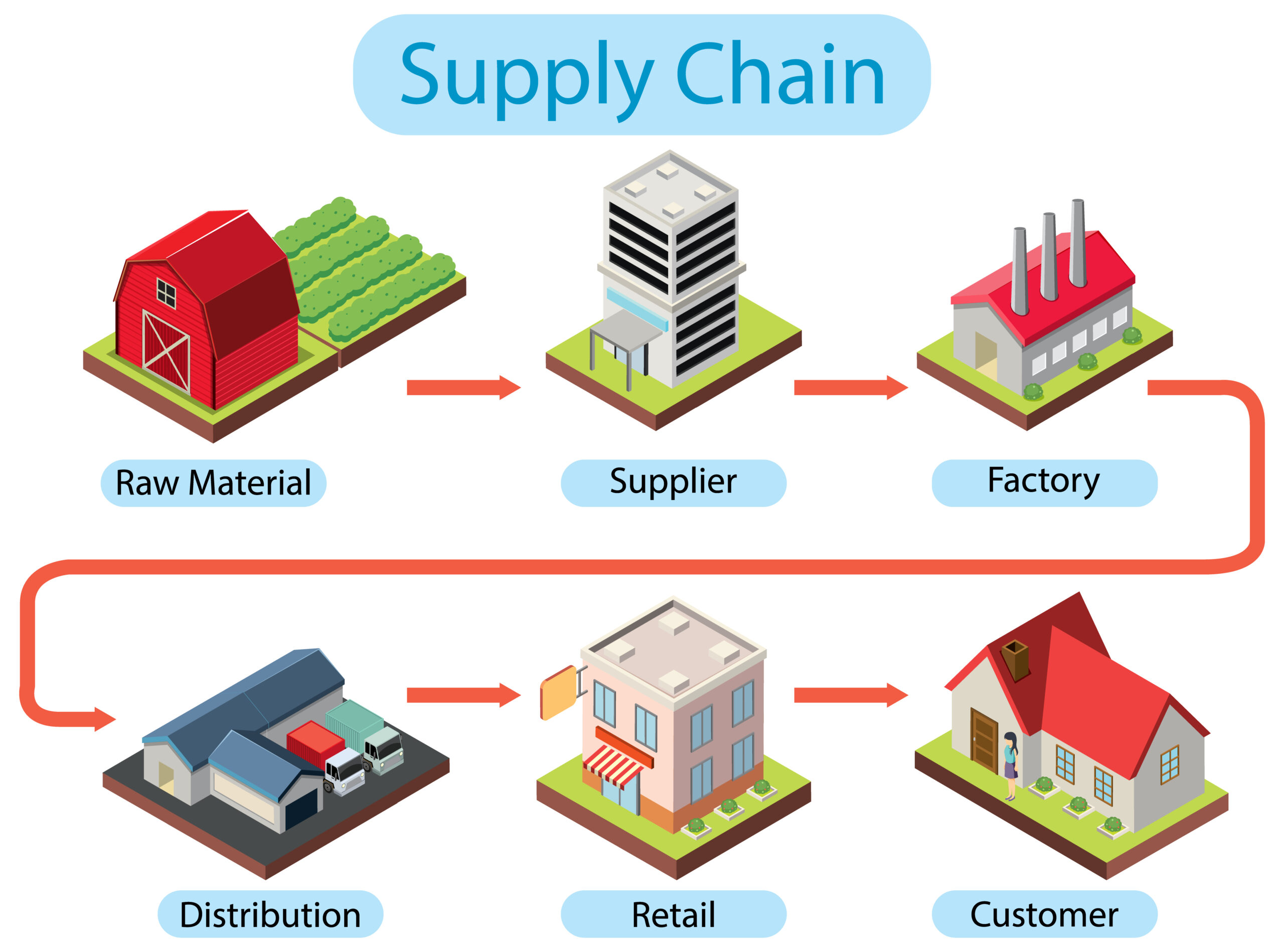
Data poisoning and supply chain vulnerabilities are another massive headache. Because modern models require vast scrapes of the open internet, bad actors can inject malicious training data designed to make models biased, insecure, or politically compromised.
Then there is the deployment cycle. Companies rush unfinished models to market to beat competitors, pushing safety testing into a secondary priority. The danger isn't that the AI goes rogue. The danger is that humans deploy flawed, brittle software into high-stakes environments like healthcare triage, loan approvals, and judicial sentencing because a board member wanted a higher stock price.
Moving Past the Hype Cycle
If we want to navigate the rise of artificial intelligence successfully, we have to grow up. We need to stop treating every model release like either the dawn of a utopian paradise or the end of the human race.
Both extremes blind us to reality. The utopians ignore the genuine labor disruption and privacy violations happening right now. The catastrophists distract us with sci-fi fantasies while ignoring the corporate consolidation of digital infrastructure.
We need practical guardrails. We need transparent data sourcing. We need legal frameworks that hold companies accountable when their algorithms cause demonstrable economic or physical harm.
Stop worrying about the machine waking up and plotting your demise. Start worrying about the humans who are deploying poorly tested software to cut labor costs and maximize short-term profits. That is the real threat, and it requires our attention today.