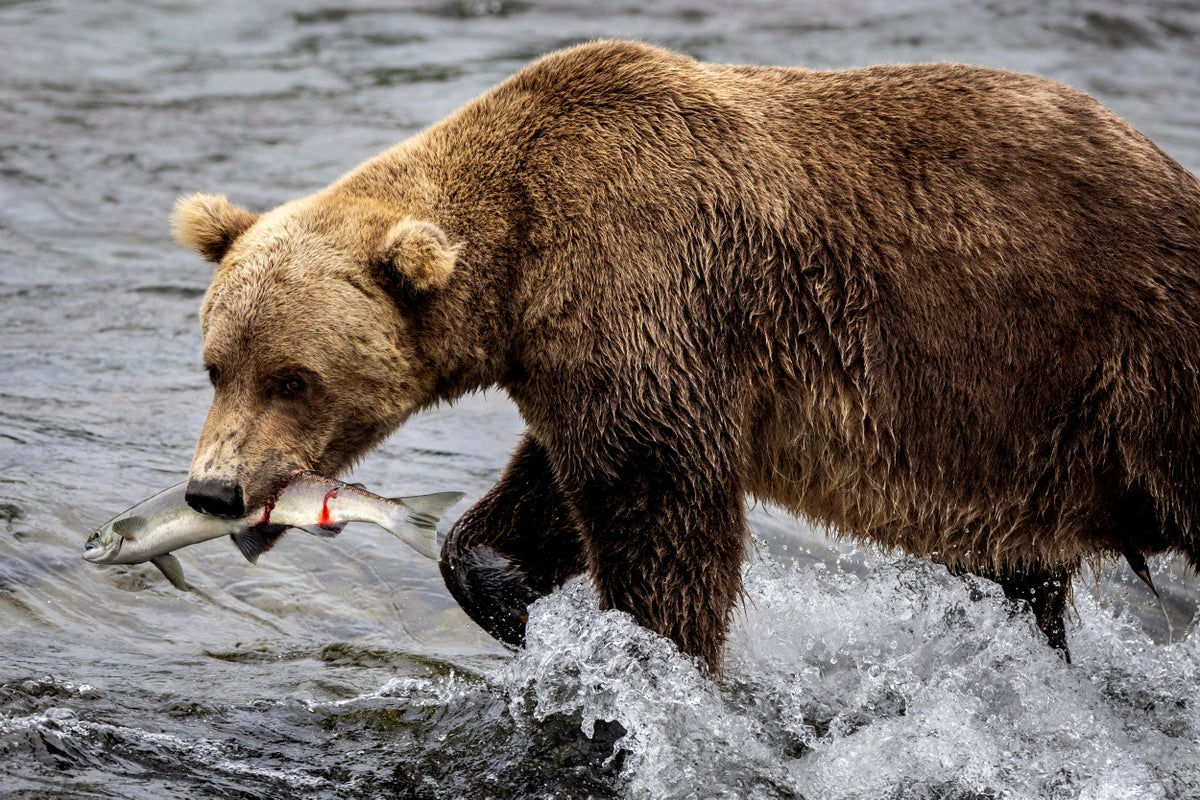
You don't accidentally stumble upon the Pebble Mine debate. It sits heavy over Alaska like winter fog, dividing neighbors, splitting indigenous groups, and pitting ancient subsistence lifestyles directly against modern industrial extraction. When a massive mining proposal targets pristine wilderness near a national park, nobody stays neutral.
The fight over mining in Alaska's rich mineral belts isn't just about rocks and balance sheets. It is a fierce cultural battle. At stake is a multi-billion-dollar mineral deposit sitting right at the headwaters of the world's most productive wild sockeye salmon fishery. People whose families have fished these exact rivers for thousands of years find themselves staring down global mining corporations backed by billions of dollars in capital.
Let's break down why this specific gold mine controversy refuses to die, what both sides miss in the noise, and why the outcome sets a dangerous precedent for every protected ecosystem on the continent.
The Geography of the Conflict
Alaska is huge. Yet everyone fights over the same small patches.
The tension centers around remote regions where federal conservation lands butt up against state-owned mineral rights. On paper, the boundaries look clear. In reality, ecosystems don't care about bureaucratic lines drawn on a dusty map in Washington D.C.
When mining companies eye deposits near national parks and preserves, they target low-grade ore bodies that require massive, open-pit extraction methods. That means moving millions of tons of earth, building permanent tailings storage facilities, and carving industrial roads through roadless wilderness.
Proponents point out that the global transition toward green energy demands a massive surge in copper, gold, and critical minerals. They argue that if the United States doesn't dig up its own metals, we simply outsource the environmental damage to countries with weaker labor laws and zero regulatory oversight.
Locals hear that pitch and roll their eyes. They live downstream.
If a tailings dam fails or acidic runoff leaches into the watershed, mining executives catch a flight back to Seattle or Toronto. The people living in nearby villages eat the fish, drink the water, and watch their traditional economy evaporate overnight.
The Great Divide Within Local Villages
Outside observers love to paint Alaska native communities as a monolith standing united against corporate greed. That narrative is lazy and false.
Reality is messy.
Some tribal members and local shareholders support mining projects because jobs are scarce. Cash is hard to come by in rural bush communities where heating oil costs a small fortune and winter groceries arrive by cargo plane. A high-paying industrial job means a young person can stay home instead of moving away to Anchorage or Seattle.
Other tribal members view the mines as an existential threat. They argue that no paycheck replaces clean water and a healthy salmon run that has sustained their culture for fifty generations.
Village corporations often hold economic interests that clash directly with tribal governments focused on cultural preservation. This creates brutal family feuds. You sit across Thanksgiving dinner from a cousin who works for the drilling rig while your uncle leads the protest rally down by the riverbank.
Corporate PR machines love to exploit these internal fractures. They dangle infrastructure investments, scholarships, and revenue-sharing agreements to buy goodwill in cash-strapped towns. It splits communities right down the middle, turning neighbor against neighbor.
The Salmon Versus Gold Dilemma
You cannot talk about mining in Bristol Bay or near Lake Clark without talking about fish.
The Bristol Bay watershed produces roughly half of the world's wild sockeye salmon. This is a multi-million-dollar economic engine that pumps wild protein across the globe and supports thousands of commercial fishermen, sport lodges, and processing plant workers.
It is one of the last truly wild, self-sustaining salmon fisheries left on Earth.
Opponents of mining ask a very simple question. Why would you gamble a permanent, renewable biological asset for a finite, non-renewable pile of gold?
Mining executives counter with modern engineering. They promise state-of-the-art water treatment plants, double-lined containment facilities, and fail-safe systems designed to protect the watershed indefinitely.
History makes people skeptical.
Major mining disasters happen with alarming regularity across the globe. When a containment pond bursts in a remote Alaskan wilderness, response times are measured in days, not hours. By the time heavy equipment and emergency response teams arrive via floatplane, the damage is already done.
Federal Overreach Versus State Rights
Another layer of this mess involves the constant tug-of-war between federal agencies and state authorities.
Alaska entered the union with a specific promise: the state received massive land grants meant to foster economic development through resource extraction. State leaders argue that federal agencies like the Environmental Protection Agency overreach when they veto mining permits using broad ecological vetoes under the Clean Water Act.
From Juneau's perspective, Washington bureaucrats are locking up Alaska's economic future while eastern states consume resources extracted from foreign soil.
Conservation groups counter that national parks and preserves belong to all Americans, not just the citizens of the 49th state. They view these federal designations as the last line of defense against short-sighted commercial interests that prioritize quarterly earnings over permanent ecological health.
This legal ping-pong match ties up projects in federal courts for decades. Millions of dollars vanish into legal fees before a single shovel breaks ground.
What Happens When the Smoke Clears
Mining conflicts in Alaska rarely end with a neat compromise. One side usually wins a temporary victory through federal permitting denials or court injunctions, while the losing side regroups, waits for a new presidential administration, and restarts the fight.
If you want to understand how resource extraction shapes the American frontier, watch this space closely.
The pressure for critical minerals is only going to accelerate. As global demand spikes, mining companies will test the boundaries of public tolerance, pushing deeper into fragile ecosystems that buffer a rapidly changing climate.
Protecting these areas requires more than dropping a pin on a map or filing lawsuits. It demands honest conversations about energy consumption, supply chains, and the true cost of modern convenience.
Next time you hear about a gold mine proposed near a national park, look past the corporate press releases and the glossy environmental ads. Talk to the commercial fisherman whose livelihood depends on a cold, clean river. Talk to the village elder watching a way of life slip through her fingers.
The gold eventually runs out. The rivers have to keep running long after the last truck pulls out.