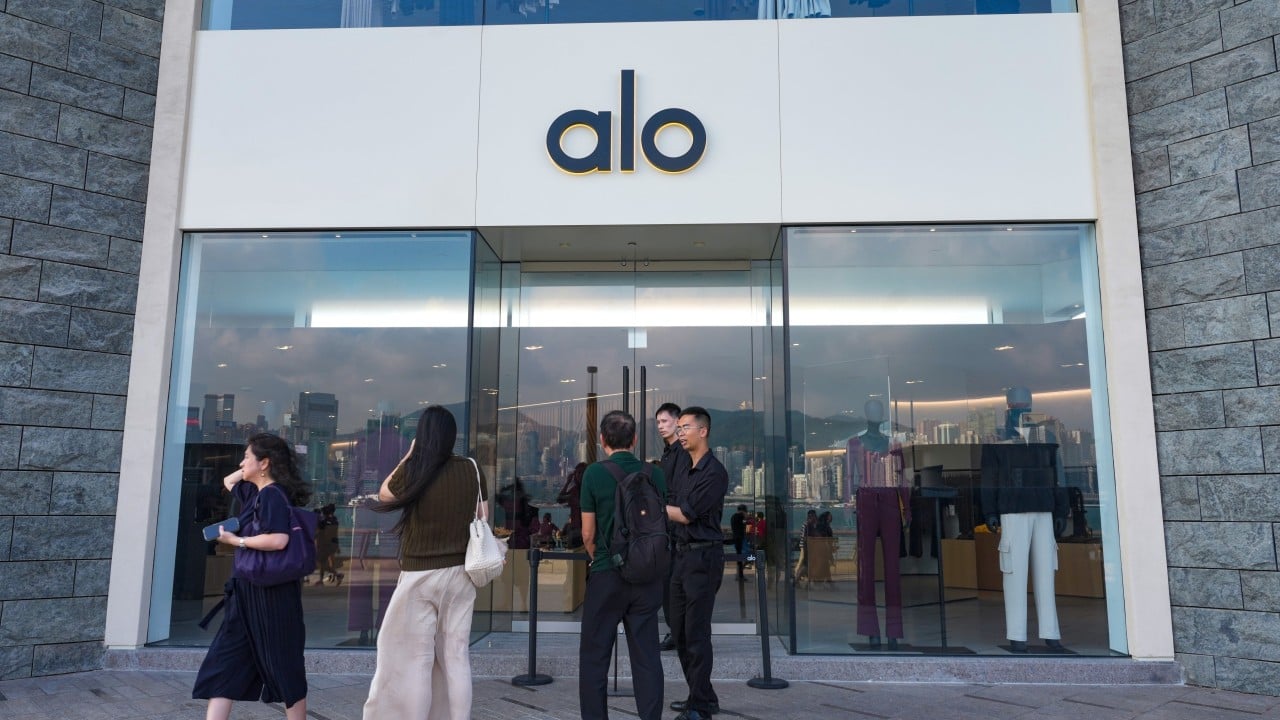
Twenty million Hong Kong dollars in week one. Champagne corks popping. LinkedIn posts calling it a triumph of modern retail.
Slow down. Put the calculator away for a second.
When a hyped apparel brand posts a headline-grabbing opening week in a trophy mall in Hong Kong, the lazy consensus writes itself. Demand is surging. Physical retail is back. The brand owns the market. Every trade publication runs the same victory lap.
It is lazy. It is shallow. And for anyone actually running a retail P&L, it is dangerous.
A blowout opening week in high-rent, high-foot-traffic luxury or premium retail is not proof of long-term market dominance. Often, it is proof of pent-up novelty, aggressive launch engineering, VIP seeding, and a finite pool of early adopters colliding in a single seven-day window. Treating a week-one spike as a baseline run rate is how smart operators make dumb capital allocation decisions.
I have watched brands blow millions chasing opening-weekend fireworks while ignoring what happens in month four, month eight, and year two—when the influencer itineraries move on, the novelty discount in people's heads wears off, and the store has to earn its keep on a rainy Tuesday afternoon.
The Opening-Week Mirage in Trophy Retail
Let's get precise about what a headline opening number actually measures. It measures initial demand concentration, not sustainable store economics.
In retail math, opening-week revenue is a compressed event. Brands stack their best inventory allocations, fly in ambassadors, invite press and VIPs, run pre-launch social heat, and concentrate months of latent local curiosity into a few days. In a dense, transit-connected city like Hong Kong, where high-income shoppers move quickly between prime malls and pay close attention to global social trends, an arrival event can pull forward demand that would otherwise trickle in over quarters.
Compare that with comp sales—comparable store sales over time—and contribution margin after occupancy and payroll. Comp sales tell you whether customers keep coming back when there is no ribbon to cut. Contribution margin tells you whether the four walls make money after paying sky-high commercial rent, visual merchandising, store labor, and shrinkage.
Many retail analysts—including veteran retail observers like Jan Rogers Kniffen and Doug Stephens—have spent years warning against confusing spectacle with durability. Spectacle brings people through the door once. Unit economics and repeat purchase frequency keep the lights on.
Imagine a scenario where a lifestyle brand opens a flagship in a premier Hong Kong shopping center and clears HK$20 million in its first seven days. Sounds electric, right? Now picture month six. The initial wave of hype buyers already owns the signature hoodies, matching sets, and totes. Tourists and locals have already taken their photos. Now the store needs steady local repeat traffic, high conversion on core replenishment items, and disciplined inventory turns every single week of the year. A single blockbuster week does not guarantee that math works once the launch glow fades.
Why Hong Kong Malls Are a Different Beast Altogether
People love to treat "Hong Kong retail" as a single monolith. It isn't.
Hong Kong malls operate at an intensity that humbles operators from slower markets. Prime retail space commands punishing rent structures—often pairing high base rent with turnover rent clauses—while shopper expectations for service, polish, and assortment freshness are ruthless. If a store looks stale or understocked in a premier Hong Kong mall, shoppers do not lower their standards. They walk next door.
There is also a structural trap in activewear and athleisure specifically. Over the past decade, athleisure shifted from workout gear to everyday uniform. That shift unlocked massive growth for players that built cultural cachet alongside technical or lifestyle positioning. At the same time, it blurred boundaries. When a brand sells leggings, crewnecks, outerwear, and accessories as lifestyle staples, it is competing not just against performance athletic brands, but against contemporary fashion, department stores, and fast-moving digital challengers.
Hype buys attention fast in a dense city. Retention is earned slowly.
The Questions Everyone Asks Instead of the Right One
When a story like this hits the wire, the standard follow-up questions are predictable. Most of them point you in the wrong direction.
"Does a HK$20 million first week mean the brand is taking over the market?"
Wrong question. Market share is not won in seven days; it is defended over years of repeat purchase, fit consistency, product innovation, and brand equity after trends shift. A huge opening tells you the launch marketing and cultural timing worked. It does not prove permanent category leadership.
"Should other brands copy this exact launch playbook?"
Usually, no. Copying a flagship launch strategy without the same brand heat, margin structure, or balance sheet is a fast way to overpay for prime square footage and underperform on payback period. What works for a high-heat cultural brand with strong social pull can crush a mid-tier label with thinner gross margins.
"Is physical retail beating e-commerce again?"
That framing misses the point. Physical stores and digital channels feed each other. A high-visibility store acts as a physical billboard, a try-on hub, and a local trust builder—not merely a cash register. Judge a store solely by its opening receipt and you misread its role. Judge it only by its halo and you ignore its rent bill.
Where the Contrarian Play Can Backfire
Being skeptical of opening-week hype has its own blind spots. If I dismiss every big debut as a flash in the pan, I can miss genuine inflection points where a brand crosses from niche darling into mainstream staple.
Sometimes a massive launch really does signal deep, durable demand. Sometimes a flagship unlocks a whole new tier of brand awareness that lifts online sales across an entire region and accelerates wholesale or partnership leverage. If you treat every strong opening with reflexive cynicism, you risk underestimating a competitor that actually has legs.
The goal is not knee-jerk skepticism. The goal is disciplined underwriting. Celebrate the execution that drove the number, then ask the unglamorous questions that separate a hit launch from a great business.
What Smart Operators Should Do Instead
If you run a brand, back retail concepts, or manage expansion budgets, stop chasing headline opening numbers and start stress-testing the unsexy mechanics.
- Model the post-hype curve before signing the lease. Build a conservative sales curve for months three through twelve that assumes zero launch novelty. If the store only works on opening-week velocity, walk away.
- Track repeat buyer rate, not just first-time traffic. Look at how many customers buy a second time within 60 to 90 days. First-time buyers are acquired; repeat buyers are retained.
- Watch inventory composition closely. A spike driven by limited drops or hero items behaves very differently from steady demand across core sizes and replenishment colors. Make sure you are not stuck with awkward size runs once the rush cools.
- Measure cross-channel lift. Track digital orders, search volume, and customer acquisition efficiency in the surrounding area before and after opening. A flagship often pays part of its way through brand halo, provided you actually measure it.
- Protect gross margin against promotional creep. High initial sell-through feels great, but real durability shows up when full-price sell-through holds up without relying on constant markdowns to clear seasonal stock.
Headline numbers make great press releases. Repeat customers, clean inventory, and durable store economics build real companies.
Watch what happens six months after the ribbon is cut.