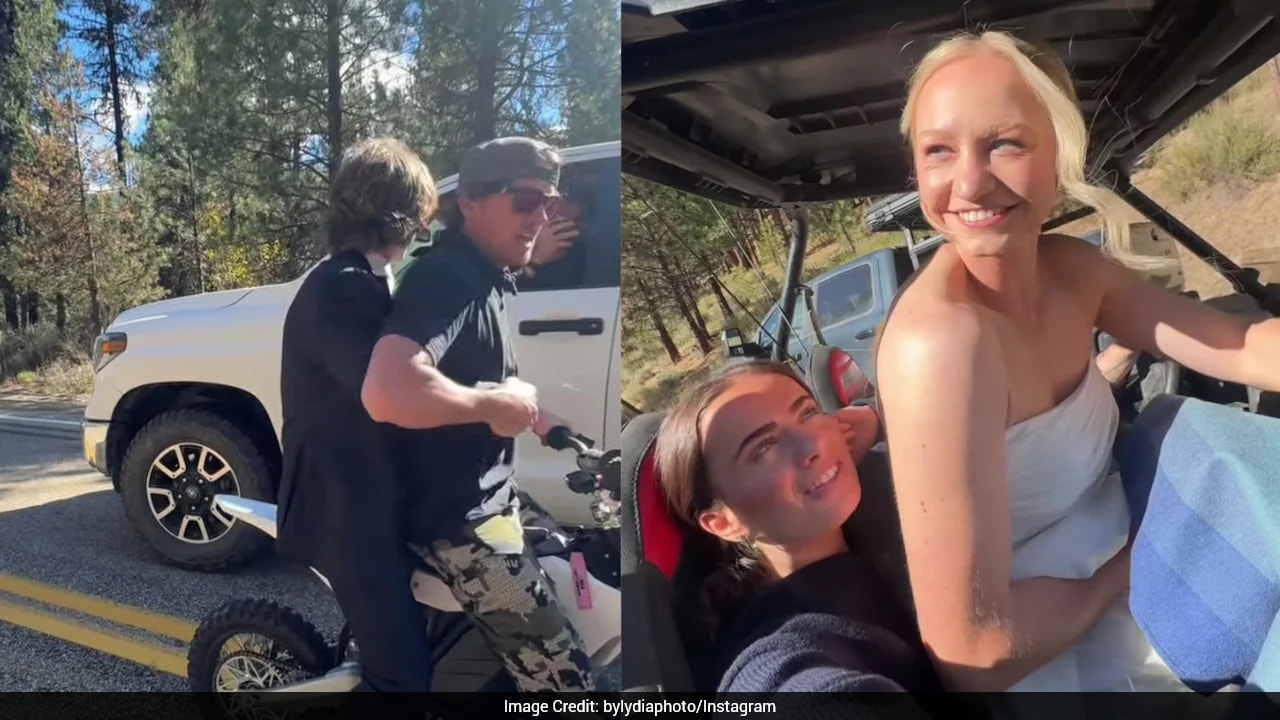
High-stakes milestone trips compress decision-making windows while expanding exposure to environmental volatility. A headline announcing that a couple's pre-wedding outing ended in a mountain rescue points to a recurring operational failure mode rather than a freak accident: travelers commit to fixed emotional deadlines in variable outdoor systems. Treating backcountry excursions as romantic backdrops rather than dynamic hazard environments distorts risk perception from the moment the itinerary is drafted.
To analyze why pre-wedding mountain excursions fail and how to structure them without triggering emergency responses, this article breaks the problem into four analytical pillars: the milestone commitment bias, the terrain-weather coupling mechanism, the rescue cost and resource allocation function, and a practical pre-departure risk architecture. Because no full source text or specific incident telemetry is provided in the reference, claims about exact rescue mechanics are framed as structural hypotheses grounded in mountain safety principles rather than verified facts about a single unnamed event.
Why Milestone Trips Distort Risk Assessment
Pre-wedding trips carry an unusual cognitive load. Unlike standard recreational hikes or climbs where turning back feels like a neutral adjustment, a trip tied to a wedding or engagement carries symbolic weight. Participants often associate pushing through discomfort or adverse conditions with commitment, resilience, or narrative value. In behavioral decision theory, this resembles sunk-cost escalation combined with goal fixation: once a specific view, summit, or photo location is mentally linked to a life milestone, abandoning it feels like a loss rather than a routine risk control.
This dynamic alters how travelers process weak signals. A sudden temperature drop, shifting wind, or deteriorating trail conditions may be interpreted as temporary inconveniences instead of state changes in the environment. When group cohesion is high and expectations are celebratory, social friction around turning back increases. Nobody wants to be the person who cancels the pre-wedding excursion. That social cost tilts small choices—starting late, carrying lighter insulation to save pack weight, or continuing past a planned turnaround time—toward narrow safety margins.
A useful distinction separates known facts about human decision-making from educated hypotheses about any specific rescue headline. It is an established finding in outdoor safety research and organizational psychology that time pressure and goal attachment degrade situational awareness. It is an educated hypothesis—not a verified fact without case records—that pre-wedding framing specifically amplifies schedule adherence over environmental feedback. Even when travelers possess basic outdoor familiarity, milestone pressure shifts their objective function from margin preservation to itinerary completion.
The Terrain and Weather Coupling Mechanism
Mountains do not behave like static venues. Elevation, aspect, slope angle, and local topography interact continuously with air mass movement, solar radiation, and moisture. In alpine and sub-alpine zones, conditions can diverge sharply from valley forecasts over short horizontal and vertical distances. A mild start at the trailhead can transition within two hours into high wind chill, wet rock, sleet, or rapid nighttime cooling once the sun drops behind a ridge.
The primary failure mechanism in recreational backcountry incidents is rarely a single isolated hazard. Instead, minor deviations compound across three coupled variables:
- Thermal balance: Moisture from sweat or precipitation accelerates conductive and convective heat loss, especially when wind strips away the thin boundary layer of warm air next to clothing or skin.
- Mobility and traction: Fatigue, uneven footing, steep scree, snow, or dusk reduce walking speed and raise fall probability, turning a minor ankle twist or navigational hesitation into an immobility event.
- Communication and daylight: Cell coverage drops unpredictably in valleys and basins, while shortened daylight compresses the window for self-extrication before temperatures fall.
When these variables interact, time becomes the decisive multiplier. A delay of ninety minutes on an exposed ridge is manageable in warm, dry afternoon sun with full batteries and clear trails. The same ninety-minute delay near dusk as a front arrives can convert a tired pair into a stranded pair requiring external extraction. Standard recreational headlines often frame the rescue as a dramatic climax, overlooking the quiet chain of small timing and gear compromises that made external help necessary hours earlier.
The Cost Function of Mountain Rescue
When self-rescue fails or becomes unsafe, the burden shifts to search and rescue (SAR) teams, land managers, and often local taxpayers or volunteer networks depending on jurisdiction. Viewing rescue through a cost function clarifies why prevention matters far beyond individual convenience. The total cost of an incident is not just the physical effort of the outing; it scales non-linearly with remoteness, weather severity, darkness, and injury status.
Three structural cost drivers govern mountain rescue operations:
- Search area expansion: Ambiguous itineraries or unshared route changes force responders to search wider sectors, multiplying personnel hours and flight or vehicle deployment costs.
- Environmental hazard transfer: Adverse weather and technical terrain expose rescuers to the same objective hazards as the stranded party, capping when ground teams or aviation assets can safely operate.
- Resource opportunity cost: Every hour committed to a preventable backcountry extraction is an hour unavailable for other emergencies across the region.
Even where rescue services are publicly funded or volunteer-led, the operational bottleneck is specialized labor and favorable weather windows, not merely money. A helicopter cannot fly safely in severe turbulence or low ceiling clouds, and ground teams move slowly over rugged terrain under load. Travelers sometimes treat rescue readiness as an invisible safety net that erases consequence. In reality, rescue is a delayed, conditional, and high-friction backstop—never a substitute for conservative margin management.
Comparing Trip Profiles Across Risk Exposure
Not every pre-wedding mountain trip carries the same hazard profile. A scenic drive-up overlook behaves very differently from an unmaintained ridge traverse or an overnight backcountry camp. Evaluating excursions across distinct trip archetypes helps planners separate harmless celebration from high-consequence exposure.
| Trip Archetype | Primary Hazard Drivers | Typical Failure Mode | Margin Buffer Needed |
|---|---|---|---|
| Frontcountry Scenic Overlook | Traffic, steep drop-offs near viewpoints, sudden weather shifts | Rushing for light near cliffs or slick rock without proper footwear | High accessibility; strict perimeter discipline and wind/rain backup |
| Marked Day Hike | Elevation gain, temperature swings, navigation drift, dusk | Starting late, under-packing layers/water, ignoring turnaround time | Early start, extra calories/layers, hard turnaround clock |
| Technical or Remote Alpine Route | Objective rock/snow/ice hazards, rapid storms, poor cell signal | Compounding delays, gear gaps, overestimating fitness or route-finding | High skill baseline, weather window discipline, conservative bailout points |
This comparison highlights a practical trap: pairing a high-stakes personal event with an unfamiliar trip archetype. Someone who hikes occasionally on graded trails faces a steep jump in consequence if they schedule a demanding or remote climb right before a wedding, where even a minor sprain or sunburn disrupts wedding logistics.
A Tactical Risk Architecture for Milestone Excursions
Preventing a dramatic rescue does not require canceling outdoor plans; it requires decoupling emotional milestones from rigid terrain execution. A disciplined planning sequence builds slack into the schedule and separates the celebration from the hazard zone.
1. Define Hard Go/No-Go and Turnaround Rules Before Leaving
Set objective abort criteria while calm and objective at home, well before emotions and scenery enter the picture. Establish a hard turnaround time based on realistic pace plus a buffer for photos, rest, and slower terrain. Define clear weather triggers—such as lightning risk, sustained high winds, or visibility loss—that automatically cancel or downgrade the route. Treat turning back as a completed decision rule rather than a personal defeat.
2. Build Asymmetric Schedule Slack Around Fixed Events
Never schedule a high-exposure backcountry trip immediately ahead of a non-negotiable deadline like a rehearsal dinner, travel day, or ceremony. A minor delay, blister, or cold exposure can cascade into missed flights or disrupted family plans. Keep high-consequence outdoor objectives well clear of fixed wedding milestones, or shift the milestone moment to a low-exposure location with a reliable indoor or lower-elevation backup.
3. Right-Size Gear and Skills to the Worst Plausible Hour
Pack for the coldest, windiest, and slowest hour plausibly expected on the route, not the sunny forecast at the trailhead. Carry navigation tools with offline maps, a fully charged power source, adequate hydration and calorie-dense food, insulating layers, rain protection, and basic first-aid items. Verify that every person in the party can execute the planned route independently at a sustainable pace without relying on heroic effort.
4. Share a Concrete Plan Without Over-Reliance on Rescue
Leave a clear route plan, expected return time, vehicle details, and check-in protocol with a reliable contact. Carry a satellite communicator or personal locator beacon when operating beyond reliable cellular coverage, while understanding that alerting authorities starts a response clock rather than providing instant pickup. Plan to stay warm, dry, and visible if delayed, conserving energy and signaling clearly only when needed.
5. Separate the Photo or Moment from the Summit
If the core goal is capturing meaningful imagery or sharing a quiet moment before a wedding, evaluate whether the highest or most remote point actually improves the experience. Often, a nearby, lower-risk vantage point offers better lighting, calmer wind, less physical exhaustion, and far lower exposure. When safety margins are wide, people stay relaxed and present—which usually produces a better experience than pushing into fatigue and cold.
Limitations of Risk Frameworks
No planning framework eliminates backcountry risk entirely. Forecasts can miss localized convective storms, equipment can fail unexpectedly, and sudden illness or injury can occur on routes that appeared benign on paper. Furthermore, conservative rules have a real trade-off: turning around early or choosing a simpler route means giving up certain peaks, views, or sense of adventure.
Good risk management does not pretend uncertainty is zero. Instead, it prices uncertainty honestly and keeps downside outcomes small enough that a bad day in the mountains remains a minor story rather than an emergency response.
The Strategic Play for High-Stakes Outdoor Planning
Make the milestone commitment non-negotiable and the terrain target variable. Lock in the celebration, the connection, and the shared memory, while keeping the exact trail, elevation, or viewpoint flexible up to the morning of departure based on weather, fatigue, and daylight. By treating the mountain as a condition to adapt to rather than a stage to conquer on schedule, couples protect both their physical safety and the milestones waiting for them back in the valley.