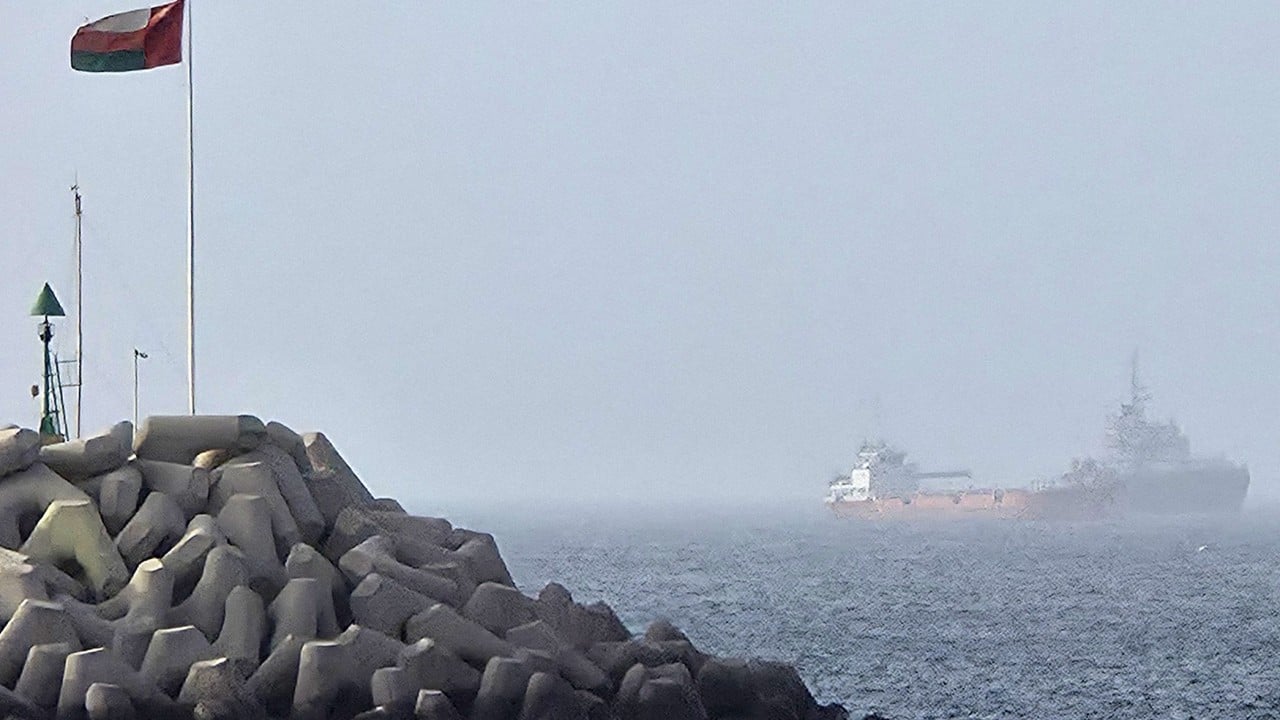
Geopolitical conflict does not disrupt global supply chains through random shocks; it operates via the precise manipulation of maritime chokepoints and the imposition of forced routing inefficiencies. The recent twin maritime incidents off the coast of Oman—comprising an engine-room projectile strike near Lima and a proximate explosion near Khasab—signal a structural transformation in how regional actors contest control over the Strait of Hormuz. Understanding these events requires looking past sensational headlines to deconstruct the underlying economic mechanics, the operational vulnerabilities of commercial tankers, and the strategic calculus governing transit corridors.
Modern maritime logistics rely on the assumption of open access through narrow international straits. When that assumption fails, the cost function of global energy transport changes instantly. This analysis maps the variables driving the current disruption, evaluates the mechanics of asymmetric maritime enforcement, and outlines the systemic adjustments required for asset protection in high-risk zones.
The Architecture of Chokepoint Vulnerability
The Strait of Hormuz handles roughly one-fifth of global petroleum consumption and a quarter of liquefied natural gas exports. Its geographic bottleneck features a shipping lane separated into two distinct two-mile-wide transit corridors, bounded by the territorial waters of Oman and Iran. This physical constraint creates an asymmetric defensive advantage for shore-based or regional military operators.
When regional security breaks down, the vulnerability of a Very Large Crude Carrier (VLCC) can be measured through three core variables:
- Kinetic exposure: The proximity of commercial transit lanes to hostile launch sites or contested territorial boundaries.
- Propulsion dependency: The vulnerability of vital engine spaces to unguided or precision-guided surface projectiles.
- Navigational inflexibility: The absence of viable alternative deep-water bypass routes for fully laden mega-tankers.
The incident near Lima, where an unidentified projectile breached an engine room and rendered the vessel disabled and not under command, demonstrates the targeted nature of modern disruptions. Rather than aiming for catastrophic hull destruction—which risks massive environmental liability and broader escalation—the vector targets propulsion and maneuverability. Disabling a vessel's engine room achieves a primary strategic objective: it creates a physical obstruction, drives up immediate insurance premiums, and deters trailing commercial traffic without expending high-value ordnance.
The Economics of Forced Route Compliance
Maritime security in the Persian Gulf is currently governed by a contest of jurisdiction. Iranian state directives have sought to mandate that all commercial traffic utilize designated shipping lanes adjacent to the Iranian coastline while asserting control over unauthorized routes passing near Omani territorial waters. Conversely, Western naval coalitions reject these unilateral declarations, maintaining that the waterway remains open under international transit passage rights.
This jurisdictional friction creates an immediate operational dilemma for shipowners and charterers:
- Route A (The Coastal Corridor): Transit managed or monitored by regional forces, carrying the risk of boarding, inspection, or forced rerouting.
- Route B (The Omani Perimeter): Transit along the Musandam Peninsula, offering distance from primary enforcement zones but exposing vessels to projectile strikes, near-miss explosions, and unmapped hazards.
The market response to this binary risk matrix is immediate and severe. Empirical tracking data indicates that commercial transit volumes through the strait can plummet by over seventy percent within a single trading session when incidents occur. Shipowners weigh the daily charter rate against the catastrophic tail risk of asset seizure or total hull loss. When insurance underwriters reprice risk, the marginal cost of moving a barrel of crude oil shifts upward, introducing inflationary pressure directly into global energy markets long before physical shortages materialize.
Operational Countermeasures and Risk Mitigation
Navigating an active maritime flashpoint requires transitioning from passive compliance to active threat mitigation. Traditional security protocols, such as employing unarmed private security teams or relying solely on distant naval coalition escorts, are insufficient when kinetic threats originate from fast-attack craft or coastal projectile batteries.
Fleet operators managing assets in the region must implement a tiered operational defense strategy:
- Hardening propulsion architecture: Deploying physical blast shields around critical engine room bulkheads and emergency generator spaces to mitigate unguided projectile damage.
- Real-time electronic surveillance: Utilizing multi-spectral optical and radar tracking systems to detect low-radar-cross-section surface craft or incoming projectiles beyond visual range.
- Dynamic routing algorithms: Integrating live intelligence feeds from maritime trade operations directly into bridge navigation systems to dynamically alter speed and heading before entering high-risk sectors.
- Decentralized communication protocols: Establishing secondary secure channels with regional coast guard authorities and multinational naval coordinators to verify transit clearances independently of compromised local broadcasts.
Strategic Outlook for Energy Corridors
The friction in the Strait of Hormuz demonstrates the fragility of maritime globalization. As long as regional actors utilize kinetic harassment to enforce territorial claims and counter economic sanctions, commercial shipping through the Persian Gulf will remain a high-consequence operational environment. Asset owners who fail to adapt their risk frameworks to account for targeted propulsion strikes and forced corridor compliance will face severe capital losses and prolonged asset detentions. The path forward demands rigorous tactical awareness, conservative chartering thresholds, and a complete reassessment of chokepoint transit economics.