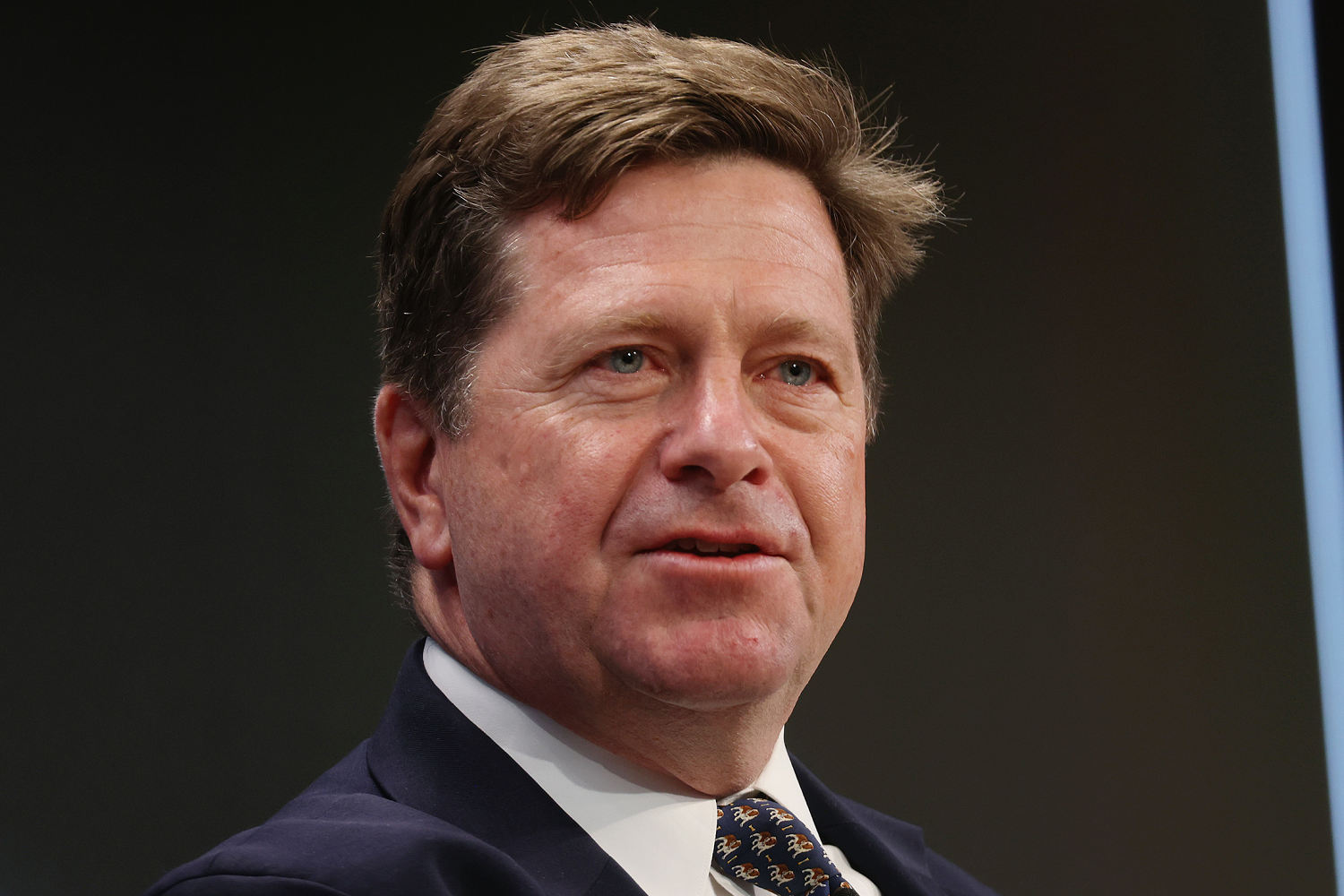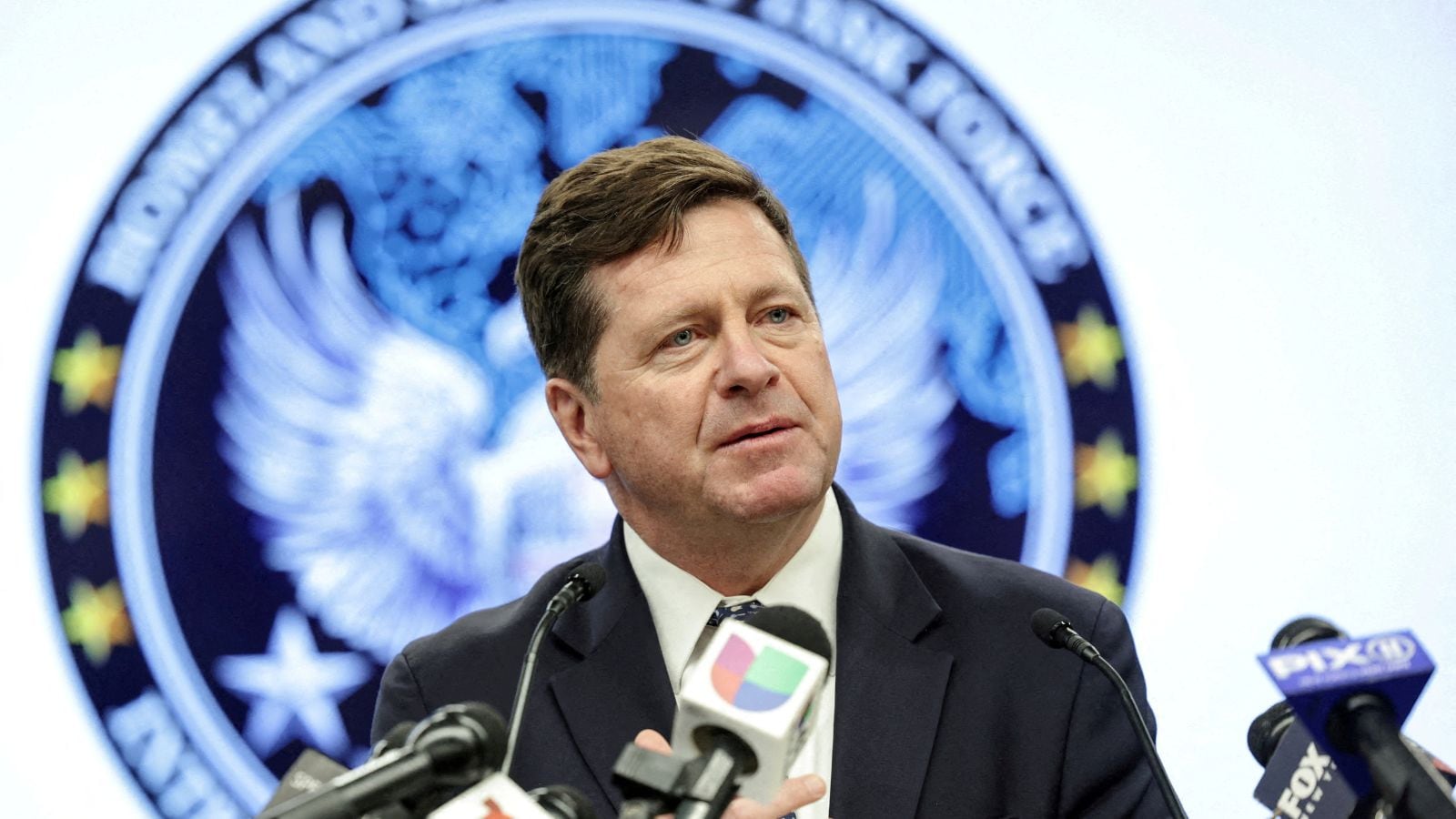
The postponement and subsequent rescheduling of Jay Clayton’s confirmation hearing to head the Office of the Director of National Intelligence (ODNI) is not merely a story of partisan friction. It is a case study in executive leverage, revealing how transactional appointments can stall core national security functions. The delay of Clayton’s hearing exposes a clear calculation: the executive branch is willing to trade immediate intelligence oversight to force legislative concessions on unrelated domestic priorities.
Understanding the mechanics of this standoff requires looking past political rhetoric. By mapping the structural dependencies between presidential appointments, statutory expirations, and legislative veto points, we can analyze the precise leverage points currently freezing the U.S. intelligence apparatus.
The Three Pillars of Executive Leverage
The ongoing stalemate among the White House, the Senate Intelligence Committee, and the broader legislature relies on three distinct levers of institutional power:
- The Interim Appointment Hedge: By placing Bill Pulte—an official with no conventional intelligence background—into the acting DNI role, the executive branch created an unacceptable default state for both Senate Republicans and Democrats. The longer Pulte remains the acting head of the ODNI, the higher the pressure on the Senate to confirm a more traditional nominee like Clayton, who has an established record as a former SEC chairman and U.S. Attorney.
- The Statutory Ransom: Section 702 of the Foreign Intelligence Surveillance Act (FISA), a primary legal mechanism for monitoring foreign communications, expired in June. The executive has explicitly tied the renewal of this critical surveillance tool to the passage of unrelated election legislation, specifically the SAVE America Act. This turns a vital intelligence capability into a bargaining chip.
- The Jurisdictional Hold: The delay of Clayton’s hearing was directly linked to a demand for a quid pro quo regarding his current office. The executive declared that Clayton’s nomination to the ODNI would not proceed until the Senate approved Jamie McDonald to replace Clayton as the U.S. Attorney for the Southern District of New York (SDNY). This move ensures the executive maintains control over the highly influential SDNY prosecutor's office before yielding Clayton to the national intelligence post.
The Strategic Cost of the FISA Blackout
The primary casualty of this political calculation is the operational continuity of Section 702. In intelligence collection, data loss is irreversible. The gap in collection authority creates a structural bottleneck in three major areas:
- Signal Intercept Degradation: Without active, streamlined Section 702 authorities, U.S. intelligence agencies cannot legally compel domestic telecommunications companies to assist in targeting non-U.S. persons located abroad. Processing intelligence through slower, individualized warrant channels introduces transaction costs and delays that degrade active monitoring efforts.
- Allied Intelligence-Sharing Friction: International intelligence partnerships rely on reciprocal data flows. When U.S. collection capabilities are legally constrained, the volume of high-yield signals intelligence decreases, reducing the value the U.S. brings to joint operations.
- Private Sector Compliance Uncertainty: Service providers face legal risks when navigating expired statutory frameworks. The absence of clear congressional authorization encourages compliance officers at major technology firms to restrict data access to shield themselves from potential civil litigation.
The SDNY-ODNI Substitution Problem
The tactical decision to tie Clayton's confirmation to the SDNY vacancy represents a sophisticated defense of executive branch influence. The Southern District of New York is arguably the most powerful federal prosecutor's office in the country, managing complex portfolios that span international terrorism, financial fraud, and public corruption.
By refusing to move Clayton to the ODNI until Jamie McDonald is confirmed at SDNY, the executive avoids a power vacuum in Manhattan. This strategy ensures that a transition at the top of the nation's intelligence agencies does not result in a temporary loss of ideological or administrative control over high-profile prosecutions.
This institutional chess match leaves the Senate with limited countermoves. Senate Intelligence Committee Chairman Tom Cotton and Senate Majority Leader John Thune have attempted to assert Article I independence by scheduling hearings, but they ultimately depend on the executive's willingness to let nominees testify. When the executive directs a nominee not to appear, the Senate's formal confirmation powers are effectively paused.
The Immediate Strategic Outlook
The Senate will likely have to capitulate on at least one front to break the logjam. Because Senate Republicans are highly motivated to replace acting DNI Bill Pulte, they will need to fast-track the nomination of Jamie McDonald for the SDNY post. This concession is the most direct path to unlocking the Clayton confirmation hearing.
Once Clayton’s hearing takes place, his confirmation will serve as a bellwether for the future of the intelligence community's independence. Lawmakers will focus their questioning on whether Clayton can maintain analytical objectivity under intense executive pressure, and how he plans to manage controversial mandates like declassifying sensitive files.
Securing Clayton’s confirmation is only the first step. Resolving the expired FISA Section 702 authority will still require a compromise on election-related legislation—a legislative hurdle that will test the limits of executive leverage over national security.