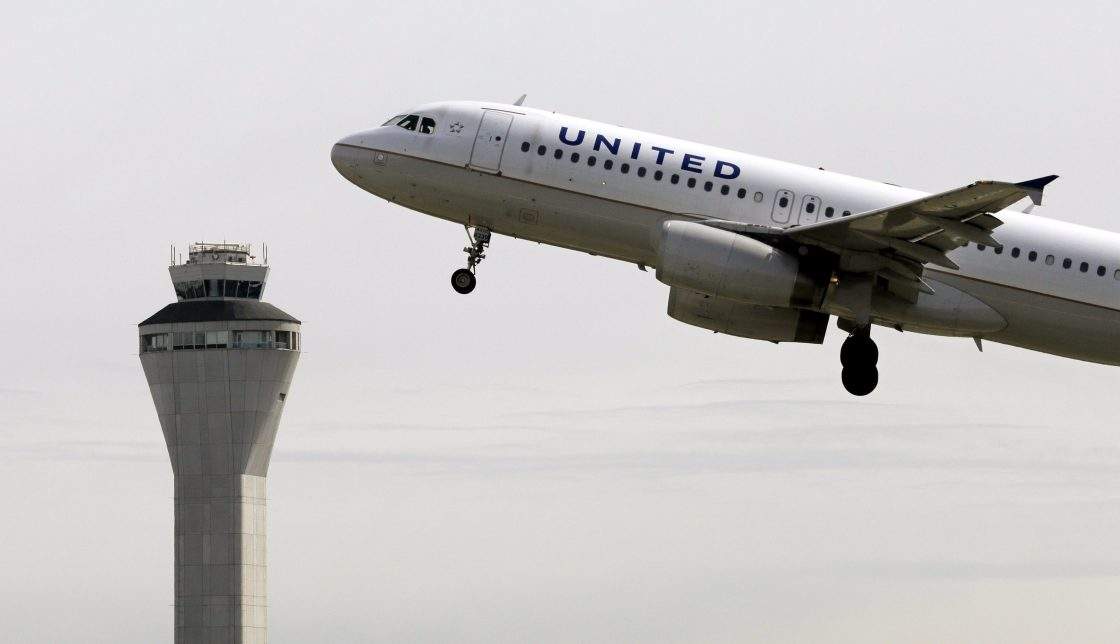
Ancillary revenue optimization operates on a core premise: unbundle the baseline service and monetize individual passenger preferences. In commercial aviation, seat assignment fees represent one of the highest-margin segments of this strategy. However, the operational reality of commercial aircraft design creates a fundamental structural asymmetry between a digital seat map and the physical fuselage. This structural asymmetry is the root cause of the class-action litigation Brenman et al. v. United Airlines, Inc. in the U.S. District Court for the Northern District of California.
The legal vulnerability for network carriers lies in the gap between consumer expectation and engineering constraints. When an airline charges up to $169.99 extra for a seat designated as a window seat, it sells a specific utility. When the physical aircraft delivers a blank composite wall instead of an aperture, the optimization strategy collapses into a breach of contract claim.
The Engineering Constraints of the Fuselage
The occurrence of a windowless window seat is not a manufacturing error. It is a predictable outcome of aircraft environmental control systems and structural engineering. Commercial aircraft, specifically narrowbody workhorses like the Boeing 737 family, the Boeing 757, and the Airbus A321, must route critical systems from the lower cargo holds to the overhead cabin space.
This routing relies on vertical risers. Air conditioning ducts, electrical conduits, and primary wiring harnesses run vertically along the interior of the fuselage skin. Because these systems require physical space and insulation, the airframe manufacturer must omit window cutouts at specific points along the fuselage to maintain structural integrity and accommodate the hardware.
The structural variance becomes problematic during the airline cabin configuration phase. Airframe manufacturers design fuselages with a default structural pitch, but airlines dictate the interior seating pitch to maximize capacity. When an airline opts for a dense seating layout, the rows shift independently of the airframe’s structural columns. This causes specific seat rows—frequently row 10, 11, or 12 on varying configurations of the Boeing 737-800 and 737-900—to align directly with a system riser panel or an overwing exit door plug. The passenger at the window seat is left staring at a blank plastic shroud.
The Mechanics of Ancillary Mismatch
The economic model behind seat monetization relies on automated dynamic pricing algorithms. These systems categorize cabin inventory based on three spatial variables:
- Pitch and Width: Extra legroom tiers such as Economy Plus.
- Proximity to Exits: Forward cabin access versus rear cabin placement.
- Lateral Position: Separation of inventory into Window (W), Middle (M), and Aisle (A) buckets.
The lateral position bucket feeds directly into the airline’s boarding logic. For example, the Window-Aisle-Middle (WILMA) boarding algorithm requires the reservation system to explicitly tag every exterior seat as a window seat to optimize passenger turn times during operations.
The system breakdown occurs because the ancillary pricing engine historically pulled data solely from the lateral position matrix rather than a high-fidelity spatial model of the airframe. The algorithm recognized seat 11A as a window seat based on its coordinate relative to the aisle, applied the corresponding premium surcharge, and displayed it on digital reservation screens as a standard window asset.
The cost function of this model is asymmetrical. The airline captures immediate upfront cash flow from premium seat selection fees across its entire inventory. The risk, however, is a systemic degradation of trust and acute localized friction when a passenger requiring visual reference points to mitigate motion sickness or claustrophobia receives zero outside visibility.
The Legal Defense Framework and Preemption Limits
In the litigation before U.S. District Judge James Donato, United Airlines attempted to leverage a structural legal shield: the Airline Deregulation Act of 1978. Under this federal statute, individual states are prohibited from enacting or enforcing laws related to the prices, routes, or services of an air carrier. The historic defense mechanism for airlines has been to argue that any consumer protection claim regarding seat labeling or pricing is federally preempted.
The defense also relied on a literal interpretation of the airline’s contract of carriage. The carrier argued that the term "window seat" denotes a geographic zone within the cabin row rather than an explicit guarantee of a transparent view. The legal argument asserts that a passenger is purchasing a seat position adjacent to the fuselage wall, away from the middle seat.
The rejection of the motion to dismiss establishes a critical boundary for airline defense strategies. The court ruled that federal preemption does not shield an airline from self-imposed contractual obligations. When an airline’s digital checkout flow, reservation screens, and issued boarding passes explicitly label an asset as a window seat and assess a specific fee for that asset, the airline enters a voluntary contract. The failure to provide a window then shifts from a regulatory service issue to a standard breach of contract claim, which is fully justiciable in federal court.
Risk Mitigation for Network Carriers
The continuation of this class action, alongside parallel litigation against Delta Air Lines in New York, exposes global carriers to substantial financial liabilities and operational recalculations. With potential classes encompassing over one million passengers per carrier, the exposure spans years of collected ancillary fees.
To neutralize this legal and reputational exposure, carriers must realign their digital interface architecture with actual fleet geometry. The strategy requires three structural adjustments:
- Geometric Syncing: Digital booking engines must integrate high-fidelity cabin maps that reflect the exact structural discrepancies of each tail number. If a specific Boeing 737-900 configuration features a blank riser at row 11, the seat selection map must visually render that specific seat without a window icon.
- Price Tier Decoupling: De-risk the pricing engine by removing the premium fee from windowless window seats. These specific seats should be categorized as standard or discounted inventory, neutralizing any claim that the passenger paid a premium for an undelivered asset.
- Proactive Disclosure: Update the user interface to require an explicit acknowledgement from the user if they select a seat with restricted or zero visibility.
Implementing these changes eliminates the revenue upside of a handful of seats per flight, but it insulates the broader ancillary revenue framework from systemic contract litigation. Carriers that delay this digital alignment remain exposed to structural class actions every time an operational aircraft swap places a dense seating layout onto a premium-paying passenger.