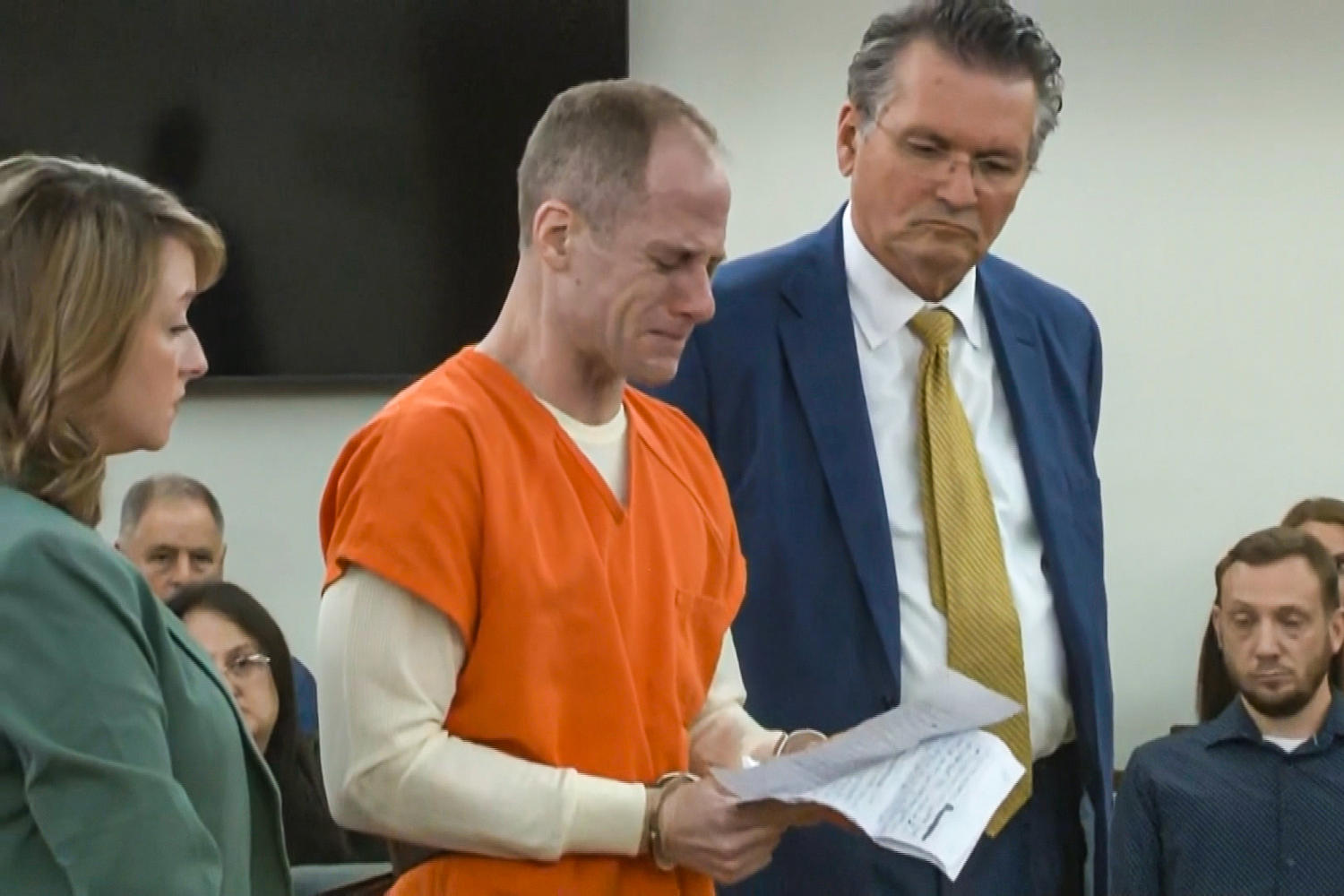
Former American Idol contestant and church music pastor Caleb Flynn was sentenced to life in prison without the possibility of parole for the premeditated murder of his wife, Ashley Flynn. When Miami County Common Pleas Judge Jeannine Pratt handed down the maximum penalty in Ohio, she cut straight through the performance of grief that had characterized Flynn’s courtroom appearances, labeling his actions abhorrent and entirely calculated.
For tabloid editors, the hook was immediate: a minor reality television footnote turned cold-blooded killer. But beneath the superficial gloss of television nostalgia and courtroom theatrics lies a far more grim and systemic reality. This case is not an isolated anomaly of a celebrity ego gone wrong. Instead, it serves as a textbook study in domestic annihilation born from entitlement, digital footprints, and the illusion of absolute control.
The Mirage of the Perfect Alibi
On a bitter February morning, Flynn dialed 911 from his Tipp City, Ohio home, spinning a frantic narrative about an unknown intruder who had broken in and shot his wife in their bed. It was a script pulled straight from true crime lore. Husbands who murder their partners routinely attempt to externalize the threat, weaponizing the universal fear of home invasions to mask their own domestic violence.
The premise crumbled under elementary forensic scrutiny. Investigators did not need a recovered firearm to dismantle the staging. Digital surveillance, cell site data, and device movements inside the residence painted an inescapable portrait of domestic betrayal. Flynn claimed he was fast asleep when the fatal shots were fired into the back of his wife's head. Yet, forensic extractions of his electronic devices revealed an entirely different timeline, placing him awake, mobile, and active in the exact window of the execution.
In modern criminal investigations, the physical crime scene is merely a secondary validation layer. The true battlefield is digital. People attempting to orchestrate complex homicides almost invariably underestimate the breadcrumbs left behind by everyday technology. Location services, automated step counters, and rapid-fire messaging histories create an unyielding timeline that rarely aligns with a fabricated narrative.
The Pathology of Entitlement
Months before Ashley Flynn was murdered, her husband was deeply entrenched in a secret relationship with a younger church intern, Alleigha Botner. The affair spanned over a year, fueled by a staggering volume of communication that police later quantified at more than 100,000 text messages.
Within those digital archives, the prosecution uncovered the stark architecture of motive. Flynn did not stumble into a crime of passion. He articulated a cold, calculated desire to eliminate an obstacle. Testimony revealed that he routinely complained about his marriage and explicitly discussed how to kill his wife without detection, writing in one chilling message that if he could get away with it, he would do it in a heartbeat.
The public often struggles to reconcile the polite, musical persona projected by community leaders with the capacity for extreme violence. Yet, criminologists recognize a recurring behavioral baseline in cases of intimate partner homicide involving active affairs. It is rooted in pathological entitlement.
Flynn possessed lawful, straightforward options. Divorce, social disruption, and the collapse of his professional standing as a pastor were entirely viable pathways. But divorce requires a concession of failure and a division of assets. It strips away the illusion of absolute dominance. For individuals driven by narcissism and image management, discarding a spouse like a defective appliance becomes preferable to facing the social inconvenience of a legal separation.
The night before the murder, Flynn texted his mistress with ominous clarity, declaring himself free and promising that actions would follow the next morning. That language represents the core mechanism of domestic homicide. The perpetrator views the victim not as an autonomous human being with an inherent right to life, but as a barrier obstructing a desired future state.
The Courtroom Performance and Judicial Reality
Throughout the trial and sentencing hearings, Flynn became a fixture of cable news legal segments due to his overt displays of emotion. Often dubbed a crybaby by courtroom observers, he sobbed uncontrollably, clutched tissues, and leaned heavily on defense counsel while maintaining his innocence. When given the opportunity to speak prior to sentencing, he offered a carefully curated apology, directing tearful remarks toward his daughters and claiming accountability for his poor decisions while flatly denying the murder itself.
The strategy failed because judges and juries have grown increasingly adept at distinguishing between remorse for actions and grief over personal consequences.
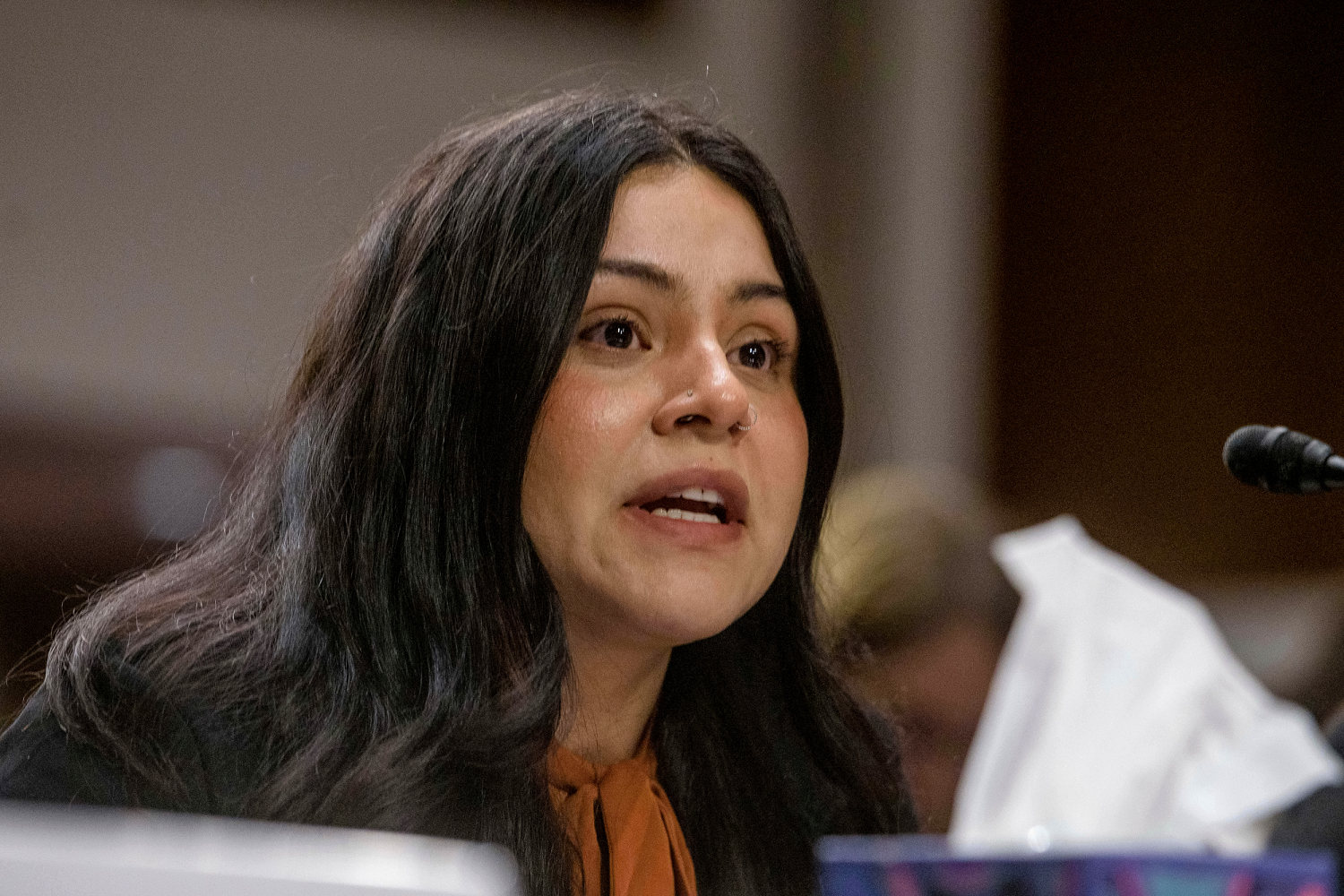
The most devastating blow to Flynn’0s public posturing came not from the prosecution, but from his own children. Victim impact statements read into the record by family members exposed the profound fracture of trust within the household. His daughter Ava demanded to know what her mother had ever done to deserve such hatred, while his daughter Alyssa made it definitively clear that she would never visit him behind bars.
Insurance companies have since moved to intervene regarding outstanding life insurance policies, ensuring that a convicted murderer cannot financially benefit from the very life he extinguished. Every asset, every illusion of control, and every ounce of social standing has been systematically stripped away.
Caleb Flynn wanted a clean break without paying the social or emotional toll of a normal separation. Instead, he engineered a permanent catastrophe that secured his permanent removal from society, leaving behind a shattered family and an unanswerable question about the hidden darkness ticking away behind a familiar face.