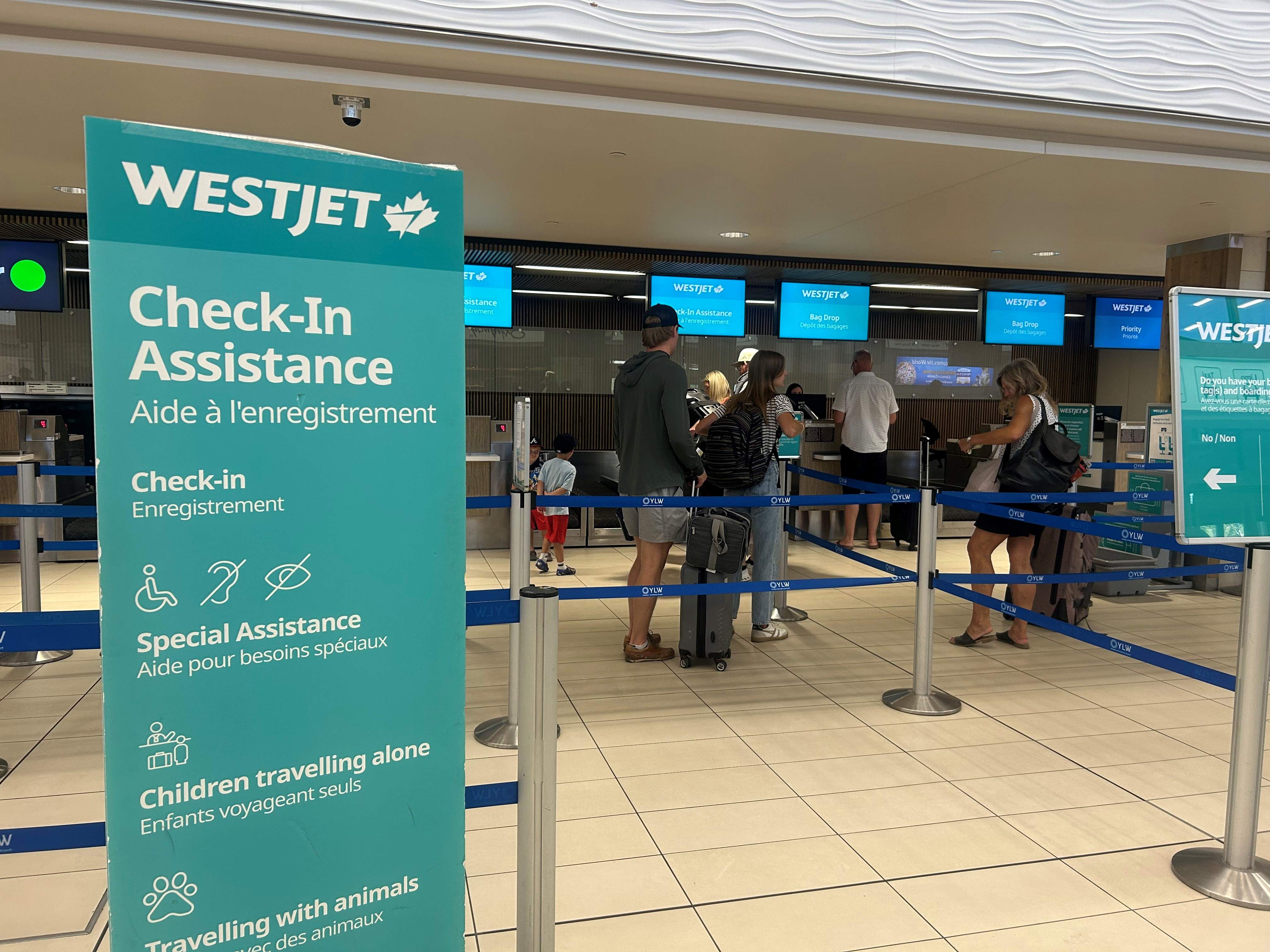
When airline labor negotiations approach an impasse, the immediate societal response is raw anxiety centered on localized travel disruptions. For passengers originating from regional hubs like Kelowna International Airport, a potential WestJet strike transforms routine travel logistics into high-stakes uncertainty. Surface-level coverage treats this anxiety as an isolated emotional phenomenon. A rigorous examination reveals a predictable economic and operational contagion. The cascading effects of pilot or mechanic walkouts do not merely cancel individual flights; they destabilize regional capacity, trigger asymmetric financial liabilities, and expose the structural fragility of hub-and-spoke airline networks.
Deconstructing this vulnerability requires analyzing three core variables: network elasticity, passenger replacement costs, and the operational recovery window. Understanding these vectors explains why regional airports bear a disproportionate share of the systemic shock when national carriers face labor stoppages.
The Network Economics of Regional Vulnerability
Kelowna International Airport functions as a spoke within a larger hub-and-spoke network predominantly anchored by major Canadian operational bases. In a normal operating environment, this architecture maximizes aircraft utilization and passenger yield by funneling regional traffic through high-volume connecting points like Calgary or Vancouver.
When a labor disruption occurs, the primary constraint is not merely the absence of a specific airframe on a specific route. The constraint is the immobilization of crew and equipment pairing lines. Airlines schedule crews on tightly integrated rotations that cross multiple cities daily. A localized pilot or technician shortage halts the propagation of these assets across the entire network.
Normal Flow: Regional Spoke (Kelowna) ---> Central Hub (Calgary/Vancouver) ---> Global Network
Disrupted Flow: Labor Impasse ---> Asset Immobilization ---> Grounded Spoke Capacity
Regional airports suffer disproportionately for structural reasons. Major hubs possess alternative carrier density, interline agreements, and high-frequency trunk routes that absorb displaced travelers. A regional spoke features thin route density. When WestJet grounds its fleet, passengers flying out of Kelowna cannot simply shift to an immediate competitor because alternate capacity on those specific sectors is severely limited. The supply curve drops vertically while demand remains fixed, creating an immediate liquidity crisis for traveler time and schedules.
The Cost Function of Passenger Disruption
Travelers facing potential flight cancellations confront a multi-dimensional cost function that extends far beyond the price of a replacement ticket. Rational economic actors must weigh direct monetary outlays against opportunity costs, psychological friction, and contractual uncertainty.
Direct Financial Exposure
The immediate cost is spot-market pricing for alternative transportation. When a major carrier faces imminent strike action, remaining operators—such as Air Canada or regional turboprop services—experience a surge in demand. According to standard supply-side economics, ticket prices on open seats spike immediately. Passengers forced to rebook absorb this price differential, often paying multiples of their original fare.
Opportunity Cost and Schedule Slippage
For business travelers and time-sensitive commuters, the cost of a delayed or canceled itinerary is measured in lost productivity, missed commercial agreements, or forfeited non-refundable accommodations. A two-day delay out of a regional airport can neutralize the economic value of an entire business trip, shifting the cost-benefit ratio of air travel versus ground transit or remote communication.
Contractual Friction and Compensation Asymmetry
Passenger rights regulations establish baseline compensation frameworks for flight cancellations within airline control. However, labor disputes and safety-related groundings often invoke legal gray areas regarding carrier liability. Navigating these dispute mechanisms imposes high transaction costs on the consumer, requiring hours of administrative effort with low certainty of timely reimbursement.
The Regulatory and Operational Recovery Window
A common misconception among affected travelers is that normal operations resume the moment a tentative labor agreement is announced. Operational reality dictates a much slower recovery curve known as the network reset lag.
When an airline grounds its fleet, aircraft and crews are systematically displaced from their optimal positions. An aircraft scheduled to depart Kelowna at dawn might be parked overnight in a remote maintenance hangar in Ontario, while its assigned flight crew is stranded in a hotel room in Alberta due to duty-time regulations. Realigning these distributed assets requires a multi-day logistical sequencing process.
- Crew Rest and Duty-Time Compliance: Federal aviation regulations mandate strict rest periods for flight crews. Even if an agreement is signed, pilots and flight attendants cannot legally operate flights until their mandatory rest windows are satisfied.
- Aircraft Repositioning: Fleets must be flown empty or on positioning legs to restore the schedule balance, burning fuel and generating zero revenue while incurring airport fees.
- Backlog Clearance: Passengers stranded by previous cancellations occupy priority rebooking queues on newly cleared flights, locking out new bookings for days after the initial stoppage ends.
This recovery lag means that the economic fallout of a strike warning persists long after the political or labor dispute finds resolution. For regional markets, this translates to extended schedule unreliability, even when flights technically resume.
Strategic Mitigation for Regional Travelers
Navigating systemic airline volatility requires abandoning reactive coping strategies in favor of structured risk management. Travelers relying on regional infrastructure during labor negotiations must treat their itineraries as exposed financial assets.
Decouple single-carrier itineraries where possible. When booking multi-leg journeys originating from regional spokes, utilize separate tickets only with extreme caution, as missed connections due to upstream delays forfeit interline protections. Conversely, ensure that travel insurance policies explicitly cover service interruptions driven by labor strikes—standard policies frequently exclude actions announced prior to policy purchase.
Monitor the operational health of competing carriers rather than focusing solely on the target airline. When a strike threatens one major market participant, secondary carriers adjust their yield management systems rapidly. Securing alternative transport within the initial operational warning window—before public panic inflates spot prices—remains the single most effective lever for minimizing individual exposure.
Deploy capital toward refundable fare classes when traveling during high-risk bargaining windows. While premium pricing applies upfront, the optionality to cancel without penalty provides a complete hedge against sudden network shutdowns. Treat the price premium as an insurance premium against total itinerary immobilization.