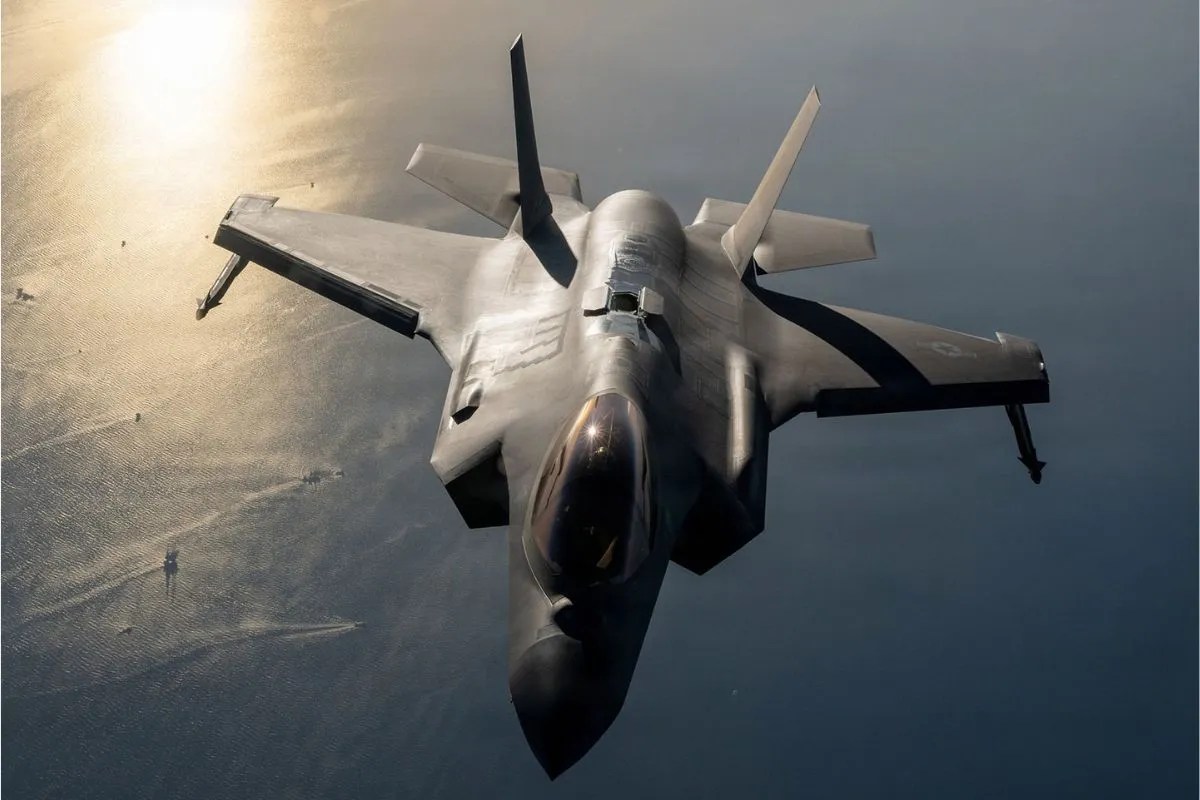
When a high-value asset falls behind hostile lines, the recovery window obeys a compressed physiological and tactical timeline. The shootdown of an F-15E strike aircraft over Iranian territory and the subsequent fifty-hour extraction of its weapons-systems officer, designated operationally as Bravo, provides a stark case study in modern Combat Search and Rescue (CSAR) mechanics. Stripped of sensationalism, the event exposes the operational friction points, intelligence dependencies, and friction costs inherent in deep-penetration personnel recovery.
The Kinematics of Survival and Initial Dislocation
The tactical breakdown began at the point of impact when a shoulder-fired surface-to-air asset engaged the dual-seat aircraft. Ejection dynamics at high speed introduce severe biomechanical trauma. For Bravo, mechanical failure within the parachute deployment sequence triggered an uncontrolled vertical descent at velocities estimated between 70 and 100 miles per hour prior to ground impact. Meanwhile, you can read other events here: Inside the Nepal Hydropower Crisis The Brutal Truth of Tunnel Survival.
The resulting injuries—including spinal fractures, arm trauma, and shoulder dislocation—established an immediate physical deficit. In tactical medicine, survival evasion relies on mobility and concealment. A fractured spine fundamentally alters the physiological cost function of evasion. Movement requires exponential increases in caloric expenditure and pain management through endogenous adrenaline, placing a strict ceiling on the distance an operative can travel from the primary impact zone.
The separation of the two crew members during descent compounded the tactical risk profile. The pilot, Alpha, was located and extracted within the initial operational window. However, initial extraction teams failed to locate Bravo, forcing a tactical withdrawal. This created a critical operational void: the adversary's search apparatus was now fully alerted, concentrated, and sweeping the immediate geographical sector. To explore the full picture, check out the excellent article by Associated Press.
Terrain Utilization and the Economics of Evasion
Denied immediate extraction, Bravo executed a high-altitude displacement strategy, moving toward a 7,000-foot ridgeline within the high-desert mountainous terrain. Elevation provides two distinct tactical advantages in hostile territory:
- Observational Dominance: High ground expands line-of-sight telemetry, allowing the evader to track adversary ground sweeps visually before engagement vectors are drawn.
- Access Restriction: Craggy, vertical topography limits the deployment efficiency of mechanized adversary ground units, forcing reliance on specialized infantry or tracking elements.
Intelligence assessments later confirmed that Iranian ground forces closed within hundreds of meters of Bravo's position during the fifty-hour window. Evasion under these conditions is a game of microscopic margins. Acoustic and thermal signatures must be reduced to absolute zero. Without food, water, or medical intervention, the operative's operational capacity degraded hourly, shifting the probability of mission success entirely onto external command-and-control assets.
The Information Architecture of Deep-Penetration Rescue
Recovering personnel from the interior of a hostile nation-state requires an orchestration of multi-domain intelligence, electronic deception, and heavy kinetic suppression. The operation required over 90 U.S. service members on the ground—representing the first documented U.S. boots on the ground inside Iran in decades—alongside thousands of support personnel and air assets.
The rescue architecture operated on four distinct layers:
- Deception Operations: The Central Intelligence Agency executed electronic and operational diversion campaigns designed to fragment adversary command focus and obscure the true vector of the incoming extraction force.
- Kinetic Suppression: Active suppression strikes were executed against nearby Iranian Revolutionary Guard units to clear localized opposition corridors prior to insertion.
- Staged Insertion: Large transport aircraft established makeshift desert airstrips to deploy tactical recovery elements, from which specialized smaller platforms, such as Little Bird helicopters, executed the terminal retrieval from the 7,000-foot ridgeline.
- Denial of Technology: Upon encountering mechanical constraints—such as landing gear immobilization in desert sand—command elements enforced strict asset destruction protocols, neutralizing stranded aircraft and helicopters to preclude the compromise of sensitive military technology.
Strategic Assessment and Operational Takeaways
The fifty-hour extraction of Bravo underscores a central tenet of modern military doctrine: the willingness to commit disproportionate resources to personnel recovery serves as a primary pillar of institutional morale and alliance credibility. However, the operation also highlights structural vulnerabilities. The loss of a high-value strike platform to a low-cost asymmetric weapon, coupled with the tactical friction of a failed initial extraction and subsequent mechanical entrapment of rescue aircraft, demonstrates that deep-penetration recovery operations remain high-risk undertakings with razor-thin margins for error.
Future strategic planning in contested airspace must account for the exponential cost of extraction relative to the cost of platform loss. When enemy surface-to-air parity increases, operational architectures must balance the strategic imperative of personnel recovery against the escalating exposure index of multi-domain rescue packages.