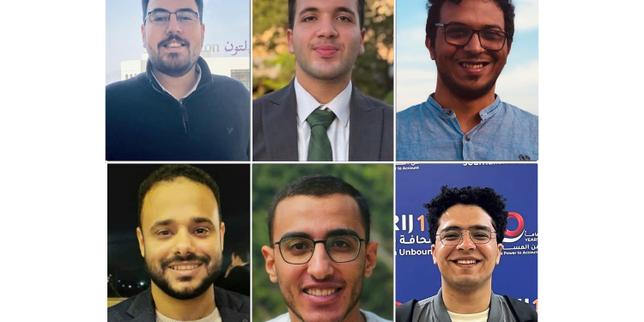
The Egyptian state has never needed a sledgehammer to break an independent newsroom; a padlock and a revolving door of administrative detention usually suffice. When security forces swept through the offices of Matsadaash, an independent fact-checking platform, and hauled away six journalists—Mohamed Ashraf Abu Emeira, Abdallah Qadry, Islam Barakat, Omar Helal, Mohamed Mahmoud, and Mohamed Adel—they did not just target individuals. They targeted the very mechanics of verification.
The arrests, which quickly escalated into sweeping terrorism charges and allegations of forced confessions under physical coercion, exposed a widening chasm between official state narratives and the stubborn reality on the ground. In response, journalists gathered at the Press Syndicate in downtown Cairo, staging sit-ins and issuing rebukes that tested the thin red lines drawn by the regime. Yet, these protests highlight a deeper, more structural crisis facing independent media in North Africa: solidarity has become an endangered trade, and the cost of telling the truth has never been higher.
The Mechanics of Preemptive Deterrence
Understanding why Matsadaash became a target requires looking at how modern information control operates. Fact-checking organizations represent a unique threat to authoritarian stability. Unlike traditional opinion columnists or partisan outlets, digital-native verification groups rely on open-source intelligence, flight trackers, customs data, and public records to dismantle official pronouncements piece by piece.
When Matsadaash previously investigated high-profile smuggling allegations involving a private aircraft flying out of Cairo, they did not offer political rhetoric; they offered receipts. That investigation resulted in the brief detention of a reporter, signaling that independent verification was being monitored closely.
The subsequent detention of the entire newsroom marks an escalation from targeted harassment to systemic neutralization. By leveling broad national security charges, the state bypasses standard criminal procedures, transforming ordinary reporting into a matter of state survival. The chilling effect ripples far beyond Cairo's newsrooms. Freelancers delete archives, sources go dark, and self-censorship becomes the default survival mechanism for anyone holding a smartphone or a notebook.
Inside the Syndicate Walls
At the Press Syndicate on downtown Cairo’s Abdel Khalek Tharwat Street, the atmosphere is heavy with a mixture of defiance and profound exhaustion. Syndicate head Khaled Elbalshy has publicly rejected the mounting pressure, insisting that defending detained colleagues is non-negotiable.
Yet, physical spaces of resistance are heavily constrained. Security perimeters, plainclothes surveillance, and preemptive warnings ensure that public demonstrations remain small, fragmented, and vulnerable to swift dispersal. When lawyers attempt to review case files, they routinely encounter procedural walls—delayed paperwork, closed hearings, and intimidation tactics inside the interrogation rooms themselves.
The families of the detained reporters often remain invisible, discouraged from public advocacy by the quiet understanding that visibility can worsen a loved one's legal jeopardy. Fear operates as an efficient bureaucratic tool.
The Regional Cost of Information Control
Egypt is far from alone in utilizing legal codes to criminalize independent reporting, but its strategy carries immense regional weight. Cairo has long positioned itself as a diplomatic anchor, yet its domestic treatment of journalists undercuts its claims to stability. According to human rights monitors, dozens of journalists remain behind bars solely for performing their professional duties.
The crackdown creates a vacuum where unverified rumors and state-sanctioned talking points crowd out verifiable data. When independent watchdogs are dismantled, public accountability vanishes. The silencing of Matsadaash is not merely an isolated legal injustice; it is a calculated effort to ensure that the official version of reality is the only one left standing.