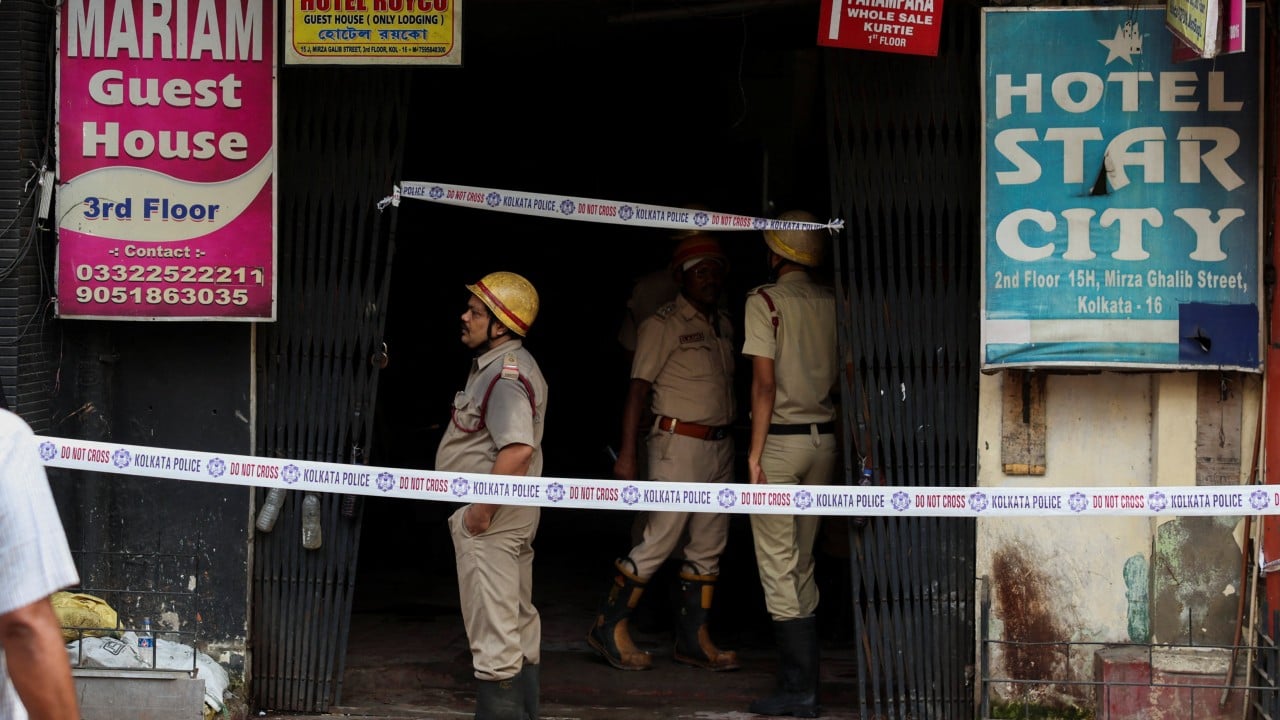
Commercial budget lodging facilities operate under strict cost constraints that frequently compress safety margins into narrow operational tolerances. When a catastrophic failure occurs, such as the fatal fire resulting from a suspected air-conditioning explosion in an Indian budget hotel that claimed nine lives, the immediate media narrative often isolates a single point of failure. This approach obscures the systemic vulnerabilities inherent in high-density, low-margin real estate management. Understanding such tragedies requires dissecting the overlapping mechanical, architectural, and regulatory failure modes that convert minor equipment malfunctions into mass-casualty events.
The Mechanical Cost Function
Budget lodging operators function within a tight economic model characterized by low average daily rates and high occupancy pressures. Capital expenditure for environmental control units is typically optimized for initial acquisition cost rather than lifecycle reliability or safety redundancy. Also making news in this space: The Weight of the Gold We Never See.
Air-conditioning systems in budget properties are frequently subjected to deferred maintenance schedules, non-standard retrofitting, and operation beyond their designed lifecycle. When electrical loads fluctuate—common in urban grids with inadequate infrastructure—compressors experience thermal stress. If protection mechanisms such as thermal overload relays or proper circuit breakers are missing, bypassed, or rated incorrectly, internal pressures can breach the compressor housing.
The immediate result is an atomization of refrigerant and lubricating oil under high heat. Modern flammable refrigerants or older synthetic compounds, when exposed to an electrical arc from a failing compressor winding, transform the air-conditioning unit into a localized fuel-air explosive device. The primary mechanical explosion, however, is rarely the lethal agent; it is the ignition vector for the surrounding Class A combustible materials present in standard commercial interiors. Further information on this are detailed by TIME.
Architectural Bottlenecks and Egress Failure
The transition from a mechanical flash event to a mass-fatality disaster is governed by spatial design and material composition. Budget hotels frequently occupy repurposed residential buildings or commercial structures that were never engineered for high transient occupancy loads.
Spatial efficiency in these facilities typically manifests as compressed vertical circulation. Single-staircase architectures are standard in narrow-lot urban construction. When a fire originates on a lower floor or within a core utility shaft, the primary escape route doubles as a natural chimney. Stairwells lacking pressurization fans or self-closing fire doors rapidly fill with dense, toxic smoke containing hydrogen cyanide, carbon monoxide, and particulate combustion byproducts.
Occupant survivability drops within minutes of ignition due to psychological panic compounded by physical disorientation. Without illuminated emergency signage powered by independent battery backups, occupants rely on mental maps of unfamiliar corridors. If the ignition source cuts the central power grid, interior pathways plunge into absolute darkness, transforming a linear evacuation into a random search for safe egress.
Material Load and Toxicity Profiles
Interior finishing choices dictate the velocity of fire propagation. Budget operators frequently select synthetic polymers, laminated wood products, and polyurethane foam padding for furniture and wall paneling due to cost efficiency and ease of maintenance.
When exposed to radiant heat from an air-conditioning explosion, these materials pyrolyze rapidly. Polyurethane foam, commonly found in mattresses and upholstered seating, releases dense black smoke and toxic gases at temperatures far below open-flame ignition thresholds. The vertical spread rate along corridor walls lined with combustible decorative laminates often exceeds the human walking speed in obstructed conditions.
Smoke inhalation accounts for the vast majority of fatalities in structural fires of this scale. Victims are incapacitated by chemical asphyxiants before thermal burns become life-threatening. The absence of localized fire suppression systems, such as thermal bulb sprinklers within individual rooms or micro-zones, allows localized fires to achieve full room involvement before emergency services can be dispatched.
Regulatory Enforcement Gaps
The persistence of structural vulnerabilities points to a systemic failure in compliance oversight. Building codes in many developing urban centers are theoretically robust, mirroring international safety standards, but enforcement mechanisms suffer from institutional friction and resource constraints.
Property owners frequently bypass statutory requirements through unauthorized structural modifications, illegal electrical extensions, and the conversion of utility spaces into functional rental rooms. Fire safety audits are often periodic rather than continuous, creating windows where safety equipment can be uninstalled, blocked, or rendered non-functional without immediate penalty.
When structural alterations compromise fire compartments—such as cutting through fire-rated drywall to run uninsulated ductwork or piping—the passive fire protection network is neutralized. Smoke and fire bypass barriers, traveling unimpeded through dropped ceilings and service chases to upper floors.
Systemic Optimization for Prevention
Mitigating the risk of catastrophic failure in budget lodging requires shifting from reactive compliance to proactive risk modeling. Property operators must implement predictive maintenance protocols for high-load electrical appliances, replacing runtime hours with thermal imaging audits to detect failing electrical joints before arc faults occur.
Retrofitting budget infrastructure with localized aerosol fire suppression systems inside high-risk mechanical housings offers a cost-effective barrier against appliance-origin fires. Furthermore, mandating non-combustible interior finishes and ensuring secondary egress routes remain unobstructed are structural necessities that decouple human survival from the whims of initial equipment reliability.


.jpg)
