Every election cycle follows a predictable script. A few months out, poll numbers tighten, candidates panic, and out comes the dusty playbook of cultural anxiety. Lately, that means dusting off anti-Sharia rhetoric. Politicians stand at podiums, warning constituents that foreign legal codes are marching through suburban town halls. It plays well on cable news. It triggers automated donations.
It is also entirely detached from constitutional reality.
I have spent years tracking how wedge issues get manufactured in campaign backrooms. I have watched consultants test-drive phrases in focus groups, searching for the exact combination of words that triggers a survival response in low-information voters. Anti-Sharia bills fit the brief. They are vague, legally meaningless, and inflammatory.
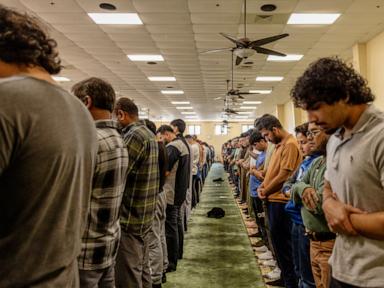
Let us define terms because accuracy is the first casualty of campaign season. Sharia is not a monolithic statute book sitting on a shelf waiting to replace local ordinances. It is a vast, pluralistic tradition of moral, ethical, and legal interpretation derived from the Quran and the Hadith. Much like Jewish Halakha or Catholic canon law, it governs personal religious observance, dietary habits, and ethical conduct. Under the First Establishment Clause, American courts cannot and do not adopt foreign religious laws. Any attempt by a legislature to ban "foreign law" or "Sharia" specifically is a solution in search of a problem. State courts already possess robust mechanisms to reject any contract or foreign legal ruling that violates public policy or constitutional rights.
Yet, lawmakers keep introducing these bills. Why? Because the goal is never statutory reform. The goal is friction.
The lazy consensus among media analysts is that these political maneuvers represent a grassroots pushback against changing demographics. That narrative is too tidy. It misses the cynical machinery operating behind the curtain. The politicians pushing these bills often know they are unconstitutional. Courts routinely strike them down on First Amendment grounds. But by the time a judge invalidates the statute, the election is over, the campaign funds are spent, and the damage to community cohesion is complete.
Consider the actual legal landscape. If a couple signs a marital contract overseas or drafts a religious arbitration agreement, American contract law already subjects those documents to strict scrutiny. If a clause violates due process, gender equality, or statutory rights, it gets thrown out immediately. Judges do not need a redundant legislative banner to protect the Bill of Rights. The system already works.
When politicians pretend otherwise, they insult the intelligence of the electorate. They assume voters are too lazy to check the math on how constitutional jurisprudence operates.
The counter-intuitive truth is that hyperventilating over Sharia actually weakens the very legal protections critics claim to defend. By passing redundant, discriminatory bills, state legislatures invite costly lawsuits that waste taxpayer money. More importantly, it creates a second-class tier of citizens whose religious practices are singled out for preemptive suspicion, setting a dangerous precedent for government overreach that can easily be weaponized against other religious groups down the line.
If you care about protecting constitutional governance, stop falling for statutory sleight of hand. The real threat to the legal order is not an imaginary takeover by religious jurisprudence; it is the cynical degradation of the legislative process for a three-week news cycle.
Next time a candidate starts warning you about foreign legal systems invading your zip code, look at their voting record on actual fiscal policy and judicial independence. That is where the real damage gets done while everyone is staring at the shiny object.