A 14-year-old walks into a middle school in southern France with a 12-gauge shotgun hidden inside a guitar case. Shots ring out across two floors. Staff members get hit, a school leader takes a round to the leg, and within days, the case lands on the desk of France's national anti-terrorist prosecutors.
That isn't a plot from a bleak thriller. It happened on October 12, 2026, at Joseph Lakanal Middle School in Aubagne, near Marseille. And the twist that stunned security officials wasn't just the age of the suspect or the brazenness of the attack. It was what investigators found when they looked at his digital trail and heard him talk about what shaped his mindset: a fringe corner of the online True Crime Community obsessed with mass killings.
When French anti-terror prosecutors stepped into a school shooting probe tied to this online subculture, they crossed an important threshold. For years, plenty of people treated online "true crime" spaces as a slightly macabre internet hobby—true-crime podcasts, unsolved mysteries, and dark forums. Honestly, that view misses what's actually festering in the darkest niches of those networks. When an online subculture starts celebrating school shooters as icons instead of studying cases like a forensic researcher, law enforcement stops calling it a quirk and starts treating it like a threat vector.
What Happened in Aubagne and Why Anti-Terror Prosecutors Stepped In
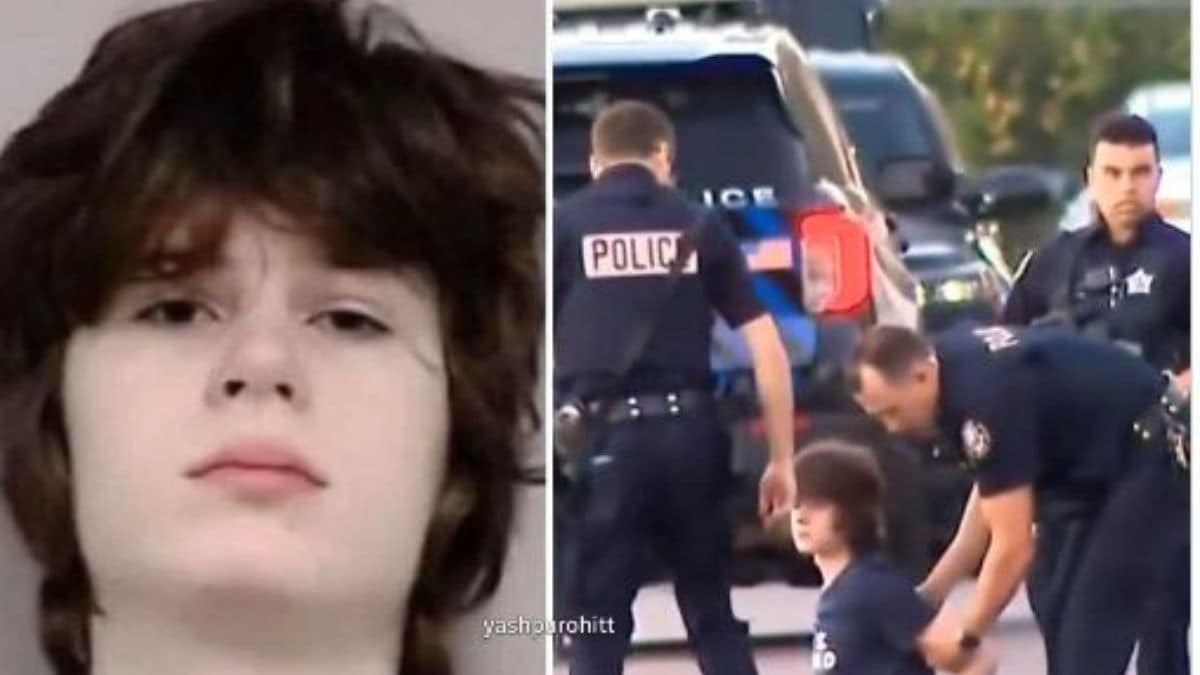
Let's start with the facts on the ground, because rumors spread fast after any school attack. On October 12, 2026, a 14-year-old student brought a 12-gauge hunting shotgun inside a guitar case into Joseph Lakanal Middle School in Aubagne. According to reporting from outlets including Le Monde, Al Jazeera, and the Associated Press, he fired on the first floor—wounding a 37-year-old teacher and the 53-year-old headteacher—before moving to the second floor and firing again, with a third staff member also suffering a graze wound. A staff member subdued him in a stairwell, and no one died.
At first glance, local prosecutors in Marseille handled the immediate criminal fallout, as Marseille Public Prosecutor Nicolas Bessone gave initial updates on the shots fired across the building. Soon after, the suspect was transferred to Paris and brought before anti-terrorism judges after France's National Anti-Terrorist Prosecutor's Office found digital evidence pointing to links with the True Crime Community.
Why bring in anti-terror specialists for a teenager with a shotgun? Because terrorism law isn't only about foreign groups or classic ideological manifestos anymore. When investigators see an attacker drawing inspiration from violent mass-casualty networks online, anti-terror units have the specialized digital forensics, threat-mapping tools, and legal frameworks built to trace radicalization and online ecosystems.
There's also a timing detail worth keeping straight. The Aubagne attack happened during a wave of student protests across France over school conditions that had drawn hundreds of thousands of young people into the streets over two weeks. Yet reporting from Le Parisien and early official statements indicated the shooting wasn't tied to those demonstrations. Mixing up campus protests with a targeted attack driven by dark online obsessions is a classic mistake after breaking news hits. Keep those two threads separate.
Inside the Dark Corner of the True Crime Community
Here's where things get uncomfortable, especially if you listen to true-crime shows or read case breakdowns casually. "True crime" is a massive umbrella. Most listeners care about justice for victims, investigative journalism, or psychological puzzles.
That's not what anti-terror investigators are looking at.
Within the broader True Crime Community—often shortened to TCC online—there exists a toxic, fringe subculture that treats mass murderers and school shooters like celebrities or role models. Instead of analyzing motive to prevent harm, these spaces trade photos, glorify attackers, share violent memes, and pull in isolated young users who are already struggling offline.
French officials have pointed to overlapping risks here. Interior Minister Laurent Nuñez has warned that far-right extremist movements are a growing concern in France, while security analysts note that shifting platform moderation rules and recommendation algorithms can make it easier for fringe networks to find each other and trade violent material. Even when a teenager claims personal grievances—in Aubagne, the boy told investigators he acted out of retaliation over alleged bullying by teachers and classmates, a claim prosecutors said had not been corroborated—online glorification can act like gasoline next to a spark.
From a threat-assessment standpoint, what makes this subculture so tricky is its fluid identity. Some participants look like edgy meme-lords; others drift toward accelerationism, misogyny, or far-right extremism; still others are simply alienated kids feeding off shock value. When you wait for a neat, classic political ideology to show up before taking a threat seriously, you miss the warning signs sitting right in plain sight.
How Fringe Online Subcultures Pull in Teens
If you've ever watched how a teenager goes from curious to consumed online, you know it rarely starts with a bang. It usually starts with boredom, isolation, or hurt pride.
- Algorithmic rabbit holes: One dark video, edit, or forum thread leads to another, nudging curious or vulnerable users toward more extreme content.
- Belonging through shock: Isolated kids often crave status or a tight-knit group. Dark subcultures hand out insider jokes, shared lore, and a twisted sense of identity.
- Desensitization: Repeated exposure to violent imagery and mass-shooting glorification dulls empathy and makes extreme violence feel strangely familiar.
- Offline grievance blending with online myths: Real-world pain—like feeling picked on or rejected at school—gets wrapped into an online script where violence looks like "infamy" or payback.
None of this means every kid who watches dark videos or reads about violent crimes is going to attack a school. Thousands of people consume heavy media without ever hurting a soul. The danger lies at the intersection of severe isolation, access to weapons, and peer reinforcement inside communities that admire attackers.
Why France Treating This as Terrorism Matters Globally
Legal and security experts are paying close attention to the Aubagne investigation because of what it signals beyond France's borders. Reports following the probe noted that it represents the first time a state judiciary officially treated a school attack linked to the True Crime Community as a terrorism case.
Whether future courts uphold every aspect of that framing will depend on evidence, intent, and French legal standards—and it's fair to debate where the line sits between disturbing online subcultures and terrorism. Still, the shift in posture is unmistakable. Security agencies across Europe and North America have spent years grappling with "hybrid" or "salad-bar" radicalization, where attackers pull from multiple online scenes rather than one single textbook.
Consider how that changes the math for schools and police:
- Traditional threat models fall short: If threat teams only look for textbook extremist pamphlets or foreign contacts, they can overlook a teen obsessed with mass-shooting edits and dark crime forums.
- Weapon access remains the multiplier: Online obsession is awful, yet a shotgun in a guitar case is what causes physical harm. Safe storage, vigilance, and rapid school response still save lives.
- Overreaction has its own cost: Labeling every edgy or troubled teen a "terrorist" without solid evidence can backfire, alienate families, or clog investigations. Precision matters just as much as urgency.
That tension—between acting fast on real danger and avoiding sloppy overreach—is the hardest part of modern counter-extremism. If you've worked with youth, run school safety drills, or followed digital threat monitoring, you know how messy real cases look compared to neat policy memos.
Practical Steps for Parents, Educators, and Threat Teams
When a story like Aubagne breaks, people want something concrete they can actually do tomorrow morning, not just hand-wringing. If you're a parent, teacher, counselor, or campus safety lead, a few practical habits make a real difference.
Watch for shifts in isolation and fascination, not just grades. A kid can keep passing classes while retreating into dark corners of the internet. Pay attention to sudden secrecy around devices, new obsession with mass violence or shooters, or talk about wanting "notoriety" or revenge.
Keep conversations calm so kids don't hide. If you blow up the moment you spot something disturbing, a teen simply deletes their history and goes deeper underground. Ask plain, direct questions like, "Where are you seeing this stuff, and what do you think makes people post it?" You'll learn way more by staying grounded.
Lock down weapons and check physical school routines. In Aubagne, a hunting shotgun made it into a middle school inside a guitar case. Any firearm in a home needs strict, secure storage away from minors—no exceptions, no "he knows better." On campus, review visitor and entry routines, test alarms, and make sure staff know how to report behavioral red flags fast without red tape.
Connect early mental health support before a crisis peaks. Bullying claims, social rejection, and untreated distress often show up long before a weapon does. Getting a counselor or psychologist involved early won't make headlines, and honestly, that's the whole point.