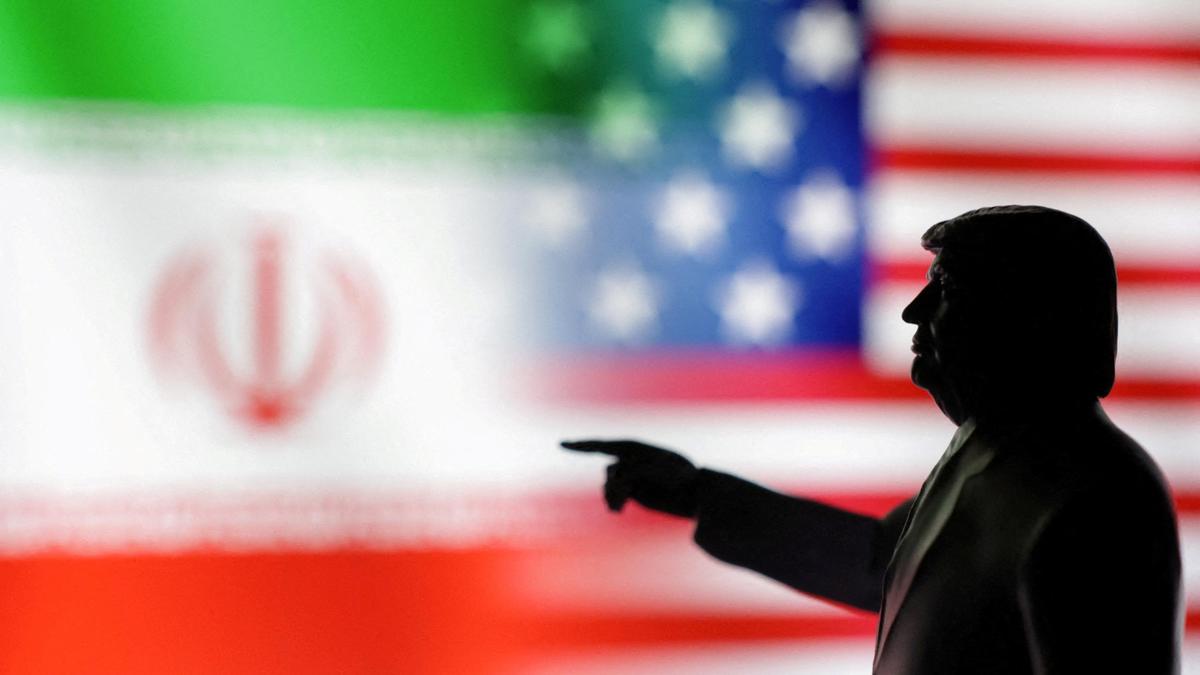
The tentative 60-day memorandum of understanding (MoU) drafted by United States and Iranian negotiators establishes a temporary stabilization mechanism for a war that has actively disrupted global supply chains since February 28, 2026. Rather than resolving the structural drivers of the conflict, the framework acts as an options contract on formal diplomacy, buying a fixed duration of de-escalation in exchange for future concessions. The viability of this interim framework depends on the explicit endorsement of executive leadership in Washington and Tehran, while facing immediate friction from synchronized tactical friction on the ground.
Evaluating this diplomatic architecture requires moving past superficial timelines to isolate the underlying cost functions, strategic trade-offs, and operational bottlenecks that will dictate its success or failure.
The Strategic Triad of the Provisional Framework
The draft agreement operates across three distinct structural domains, attempting to align immediate maritime security with long-term strategic concessions. It links physical, military, and economic variables into a reciprocal matrix where performance in one sector is legally and operationally contingent on compliance in another.
1. The Maritime De-escalation Vector
The primary objective of the MoU is the immediate restoration of commercial shipping liquidity through the Strait of Hormuz, which was choked on March 4, removing approximately 20% of global oil and liquefied natural gas (LNG) supplies from active circulation. The agreement addresses this supply shock via a two-phase operational sequencing model:
[Day 0: MoU Approval] -> [Day 1-30: Active Mine Clearance by Iran]
                                    |
                                    v
[Proportional Reduction of US Naval Blockade & Restriction-Free Commercial Transit]
This structural link prevents either party from gaining an asymmetrical advantage during the initial operational phase. The operational utility of this mechanism is constrained by a clear technical bottleneck: verifying the total extraction of naval mines requires independent maritime auditing, a provision omitted from the preliminary text.
2. The Nuclear Containment Parameter
As an explicit precondition for entering formal negotiations, the framework establishes a baseline constraint on Iran's nuclear lifecycle. The agreement requires a formal re-verification of Iran's commitment against the weaponization of fissile material.
The immediate operational focus during the 60-day window centers on two variables: the definitive containment of Iran's highly enriched uranium (HEU) stockpile and strict operational caps on active centrifuge enrichment ceilings. This creates a technical baseline intended to freeze the breakout timeline while negotiations proceed.
3. The Economic Reciprocity Function
The incentive structure for Tehran is entirely financial, designed to reverse the severe capital constraints imposed by the war. The United States has structured its concessions as a variable payout function:
$$\text{Sanctions Relief} = f(\text{Verified Uranium Disposal} + \text{Maritime Liquidity})$$
The operational mechanisms include the conditional unfreezing of capital assets held in foreign jurisdictions and the creation of dedicated financial channels to facilitate the flow of humanitarian goods and core commodities into the domestic Iranian economy. US negotiators have explicitly stated that no baseline financial transfers will occur prior to verified compliance, eliminating upfront capital payouts.
Kinematic Friction: The Bandar Abbas Tactical Loop
The structural fragility of the MoU is demonstrated by the immediate tactical friction occurring at the boundaries of the ceasefire line. On May 27, 2026, US forces executed defensive strikes in the vicinity of Bandar Abbas, intercepting four Iranian unmanned aerial vehicles (UAVs) and neutralizing a ground control station preparing a fifth launch. The Islamic Revolutionary Guard Corps (IRGC) responded with a kinetic strike against a US military facility in Kuwait.
This exchange illustrates the precise systemic vulnerability of a provisional truce: the misalignment between central strategic intent and decentralized tactical execution.
[Central Command Seeks Ceasefire]
         |
         v
[Asymmetric Tactical Assets Deployed (UAV Readiness)]
         |
         v
[Defensive Counter-Strike Executed (US Kinetic Action)]
         |
         v
[Decentralized Retaliation (IRGC Strike in Kuwait)]
         |
         v
[Systemic Threat to Central MoU Approval]
This dynamic operates as an escalation loop. While central leadership structures negotiate terms, localized military commanders operate under threat-response paradigms that can systematically invalidate the political assumptions underlying the MoU. The survival of the 60-day window depends on the capacity of both state apparatuses to absorb these localized kinetic shocks without triggering a macro-level termination of the draft text.
The Asymmetrical Executive Veto
The primary barrier to executing the framework is the requirement for explicit, non-delegated executive approval in both capitals, creating a classic two-level game dynamic.
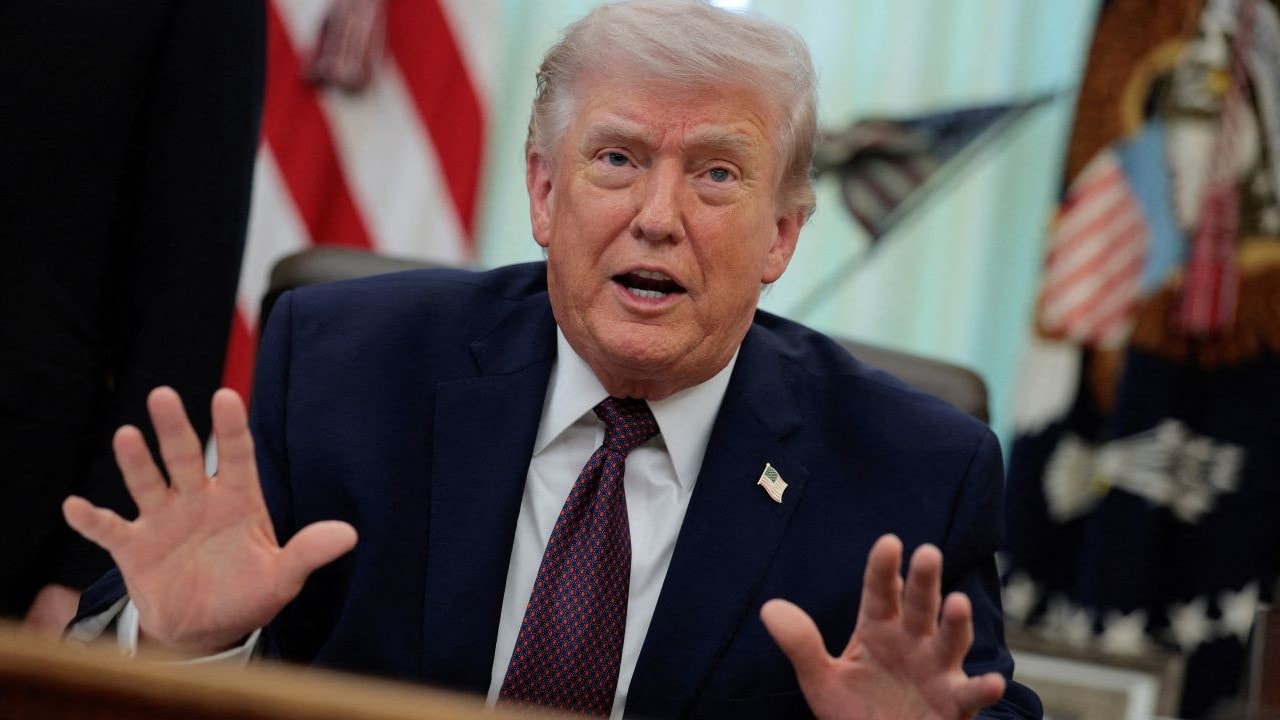
In Washington, President Donald Trump has withheld immediate signature, requesting a multi-day review period to evaluate the structural components of the text. The domestic political calculus requires balancing the immediate macroeconomic benefits of lowering global energy prices against the risk of appearing to offer concessions to Tehran without securing a permanent dismantling of its nuclear infrastructure.
This tension was heightened by executive declarations regarding regional transit dynamics. When presented with proposals involving joint Omani-Iranian monitoring of regional shipping lanes, the executive posture rejected any deviation from an open, un-tolled international waterway framework, signaling an unwillingness to accept structural compromises on maritime sovereignty.
In Tehran, the ratification process faces internal structural divisions. While the administrative apparatus recognizes the economic necessity of securing sanctions relief and unlocking frozen assets to stabilize domestic markets, hardline factions within the security architecture view the rapid concessions on mine clearance and uranium containment as an unacceptable compromise of national leverage.
This internal friction explains the conflicting statements emerging from Iranian state media, which has actively disputed Western assertions that the text is finalized. This indicates an ongoing internal negotiation over the baseline boundaries of the MoU.
Structural Bottlenecks and Failure Modes
The 60-day framework contains three distinct structural vulnerabilities that could trigger a premature collapse of the stabilization mechanism before formal negotiations begin.
- The Verification Lag: The agreement requires Iran to clear naval mines within 30 days and restrict enrichment operations immediately. However, the physical deployment of international inspectors and maritime verification teams cannot execute at the same velocity. This latency period creates an information asymmetry where the US is expected to ease naval blockades based on unverified behavioral commitments.
- The Spillover of Asymmetric Proxies: The MoU regulates direct state-to-state conflict between the US military and formal Iranian state forces. It lacks explicit, enforceable clawback mechanisms for regional non-state proxies. A single kinetic action by regional aligned groups during the 60-day window would immediately break the political consensus required to sustain the truce in Washington.
- The Capital Release Bottleneck: Unfreezing foreign assets requires complex international banking clearing mechanisms and compliance tracking. If the technical execution of capital delivery lags behind Tehran's political expectations, the Iranian leadership may determine the economic return on compliance is insufficient, triggering a resumption of enrichment enrichment operations as a tool of economic coercion.
Strategic Action Plan
To transition this provisional MoU into a durable negotiation framework, policymakers and strategic analysts must execute a highly sequenced operational play that prioritizes verification over political intent.
First, decouple maritime verification from political declarations. The United States must condition the proportional lifting of its naval blockade on a strict, kilometer-by-kilometer automated sonar sweep conducted by neutral third-party maritime assets, rather than accepting unilateral declarations of a cleared channel.
Second, establish a dark-channel communications protocol. To prevent localized kinetic friction—such as the Bandar Abbas UAV engagements—from collapsing the political framework, a dedicated military-to-military deconfliction channel must operate continuously. This channel must isolate tactical boundary violations from the core political mandate of the 60-day text, treating localized engagements as operational noise rather than a systemic breach of intent.
Finally, structure the asset release mechanism through an escrow model. Frozen Iranian funds should not be transferred directly to domestic accounts; instead, they must be routed to international escrow accounts dedicated exclusively to verifying the purchase and delivery of specified humanitarian commodities. This eliminates the risk of capital diversion into strategic military industries while providing the Iranian administrative state with immediate, quantifiable economic relief.
The 60-day window is not a peace treaty; it is a highly volatile operational pause that will disintegrate unless the underlying mechanics of verification and economic execution are managed with absolute precision.