When a Supreme Court justice orders an international fugitive's arrest right in the middle of a high-stakes presidential race, nobody wins quietly.
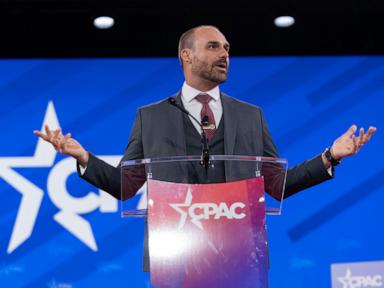
Brazil's political fault lines ripped open further when Justice Alexandre de Moraes issued an arrest warrant for Eduardo Bolsonaro. Eduardo isn't just any exiled lawmaker. He's the son of former President Jair Bolsonaro and the brother of Flávio Bolsonaro, who found himself charging hard into a fierce presidential runoff against incumbent Luiz Inácio Lula da Silva.
If you're trying to figure out how a legal battle in a courtroom translates to chaos on the campaign trail, you have to look at the timeline. The warrant didn't drop in a vacuum. It landed while the country was bracing for a tense electoral showdown, turning judicial actions into heavy political ammunition.
Why Eduardo Bolsonaro Became a Target for the Courts
The core of the legal trouble goes back to what prosecutors call active coercion and foreign lobbying. Eduardo spent considerable time in the United States, basing himself out of Texas after facing mounting pressure at home. Courts convicted him in absentia, handing down a prison sentence of over four years.
His crime? Lobbying members of the United States administration to slap punitive economic sanctions and trade tariffs on Brazilian government officials.
From the judiciary's perspective, trying to enlist a foreign power to punish your own country crosses every legal red line. From the Bolsonaro camp's perspective, it's textbook lawfare meant to sink the family's political capital just as Flávio gained momentum in the polls.
The Fallout for Flávio Bolsonaro's Presidential Bid
Timing is everything in politics. Flávio Bolsonaro was running a high-profile campaign, attempting to capture the conservative mandate once held by his father. Having an exiled brother facing immediate imprisonment if he touches down on Brazilian soil creates an instant messaging nightmare.
Opponents immediately tied Flávio to the international lobbying scandal, arguing that the family routinely puts personal grievances above national sovereignty. Meanwhile, supporters rallied around the candidate, claiming the Supreme Court was overstepping its bounds to tilt an election.
The court didn't stop at a piece of paper, either. Authorities canceled Eduardo's Brazilian passport and stripped him of his remaining official positions, including a federal police role he had long abandoned through chronic absenteeism.
What Happens Next on the Global Stage
Eduardo currently holds a green card and resides legally in the United States, meaning an immediate extradition isn't a guarantee. Brazil's federal police are ready to snap cuffs on him the second he crosses customs back home, but staying put in North America remains an effective shield for now.
This legal saga highlights a broader trend across modern democracies where judicial branches and executive politics collide openly. Whether this warrant galvanizes conservative voters or permanently damages the Bolsonaro brand depends entirely on how the electorate views institutional overreach versus accountability.
The courts made their move. The rest is up to the voters at the ballot box.
Eduardo Bolsonaro arrest warrant background
This video provides additional context regarding the Supreme Court's rejection of Eduardo Bolsonaro's appeals and the ongoing legal fallout.