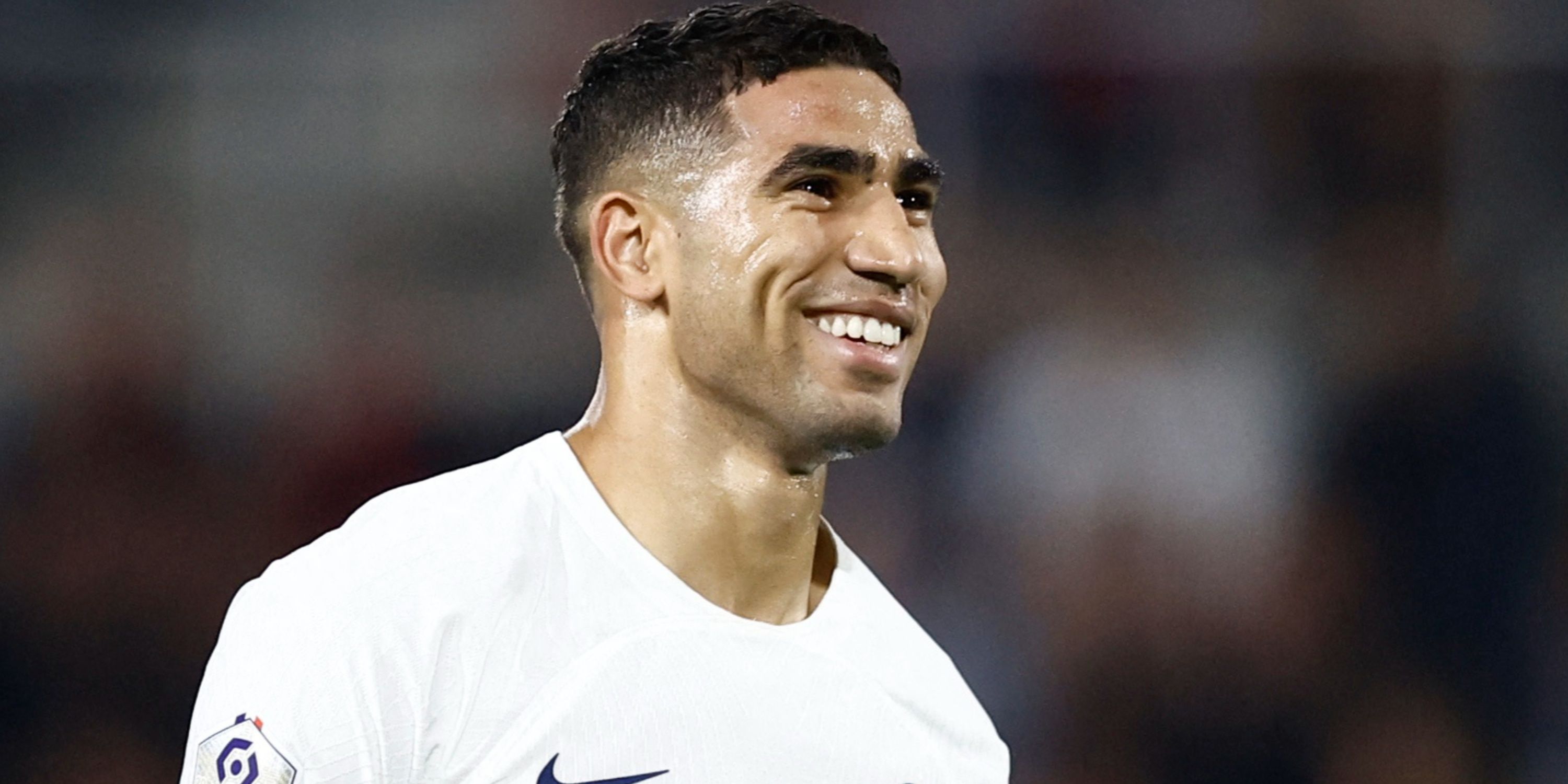
The strategic value of Deandre Ayton to the Los Angeles Lakers is not found in traditional box-score accumulation but in his role as a structural stabilizer against elite Western Conference size. While casual analysis focuses on Ayton’s individual scoring bursts, his utility is better defined by his ability to mitigate the physical tax placed on Anthony Davis. When Ayton operates at peak efficiency, he functions as a force multiplier that allows the Lakers to transition from a reactive defensive posture to a proactive offensive engine. This shift is required for a roster that historically struggles with rebounding consistency and secondary rim protection.
The Defensive Equilibrium Constraint
The Lakers' defensive ceiling is tethered to the physical availability of Anthony Davis. When Davis is forced to absorb the primary contact of opposing centers for 40 minutes, his offensive efficiency degrades. Ayton’s integration solves this specific mechanical bottleneck. By assuming the "Center of Gravity" role—holding the low block and contesting verticality—Ayton creates a defensive buffer.
- Shot Alteration vs. Block Volume: Ayton’s value lies in "deterrence math." Opponents shooting against Ayton at the rim historically see a significant drop in field goal percentage compared to their season averages. This isn't always reflected in blocks, but in the forced kick-out pass that resets the shot clock.
- The Rebounding Anchor: The Lakers suffer from "long rebound" vulnerabilities. Ayton’s frame allows him to box out the primary threat, enabling wings like LeBron James to secure the ball and initiate the transition game. Without this primary box-out, the Lakers' fast-break frequency drops by a measurable margin.
The Pick and Roll Geometry
Offensively, Ayton modifies the geometry of the court through high-gravity screening. His ability to roll hard to the basket or pop for a mid-range jumper creates a "dual-threat" stress test for opposing drop coverages.
- The Vertical Spacer: In a lineup featuring limited outside shooting, Ayton provides vertical spacing. A lob threat forces the opposing center to stay tethered to the restricted area, which clears the driving lanes for the Lakers' primary ball handlers.
- Short Roll Distribution: Ayton has developed a specialized skill in the "short roll"—the space between the free-throw line and the hoop. When he receives the ball here, he forces the weak-side defender to commit. This creates an immediate "4-on-3" advantage, typically resulting in a corner three or a baseline cut.
- Screen Quality Metrics: The Lakers' offense often stagnates due to "slip" screens that fail to impede the defender. Ayton’s physical mass ensures a clean separation for the ball handler, increasing the Expected Points per Possession (ePPP) on every high-screen action.
The Psychological and Physical Attrition Factor
Playoff basketball is an exercise in managed attrition. The Lakers’ championship window depends on minimizing the "collision count" for their aging stars. Ayton acts as a heat shield. By taking the bruiser role against teams like Denver or Minnesota, he preserves the "burst capacity" of the rest of the roster for the fourth quarter.
The logic of "needing to be his best" is often misinterpreted as a demand for 20 points and 10 rebounds. In reality, the Lakers need Ayton to maintain a high "Effort Floor." This means 100% participation in transition defense and disciplined positioning on the defensive glass. If Ayton’s focus wavers, the defensive scheme collapses because there is no tertiary rim protector with his specific lateral quickness and vertical reach.
Structural Bottlenecks and Failure Points
Despite the theoretical fit, several variables could jeopardize this synergy. Ayton’s effectiveness is highly sensitive to his "Touch Volume." If he goes more than three possessions without a touch in the post or a meaningful involvement in the action, his defensive intensity tends to correlate negatively.
- Foul Trouble Volatility: Ayton’s tendency to contest shots with his hands rather than his feet leads to early foul accumulation. If he is forced to the bench in the first quarter, the Lakers' defensive rating typically plummets as they are forced into "Small Ball" configurations that get exploited on the glass.
- The Mid-Range Trap: Ayton possesses a fluid jumper, but over-reliance on this shot becomes a win for the defense. Every 18-foot jumper he takes is a possession where he is not generating pressure at the rim or drawing fouls. The coaching staff must enforce a "Rim-First" mandate to keep the opposing defense in a state of retreat.
Quantifying the Playoff Impact
In a seven-game series, the game slows down. Half-court execution becomes the primary determinant of victory. This environment favors Ayton’s physical profile. While his regular-season stats might appear pedestrian, his "Defensive Win Shares" in high-leverage moments provide the statistical backbone for Laker victories. The team’s net rating with Ayton and Davis on the floor simultaneously suggests a defensive ceiling that rivals any era of Laker basketball.
The Lakers must prioritize the "Screen-to-Score" ratio. Every second Ayton spends in a stagnant post-up is a wasted resource. Instead, the strategy must revolve around constant motion—using Ayton as a mobile wall to create space.
Success is defined by the Lakers' ability to control the "Paint Differential." If Ayton can help the Lakers outscore opponents in the restricted area while maintaining a rebounding margin of +5 or higher, the Lakers move from a play-in threat to a legitimate contender. The burden of this transition sits squarely on Ayton's ability to provide elite-level play-finishing and disciplined rim protection without requiring a high usage rate.
The tactical imperative for the coaching staff is to integrate Ayton into the "early offense" sets. By getting him deep post position before the defense can set its shell, the Lakers bypass the need for complex late-clock heaves. Ayton’s gravity near the hoop is the only mechanism that can effectively punish teams for doubling LeBron James or Anthony Davis. If the defense stays home on Ayton, the superstars operate in single coverage; if the defense collapses on the superstars, Ayton must finish at an 80% clip at the rim. This binary choice is the foundation of the Lakers' playoff offensive strategy.