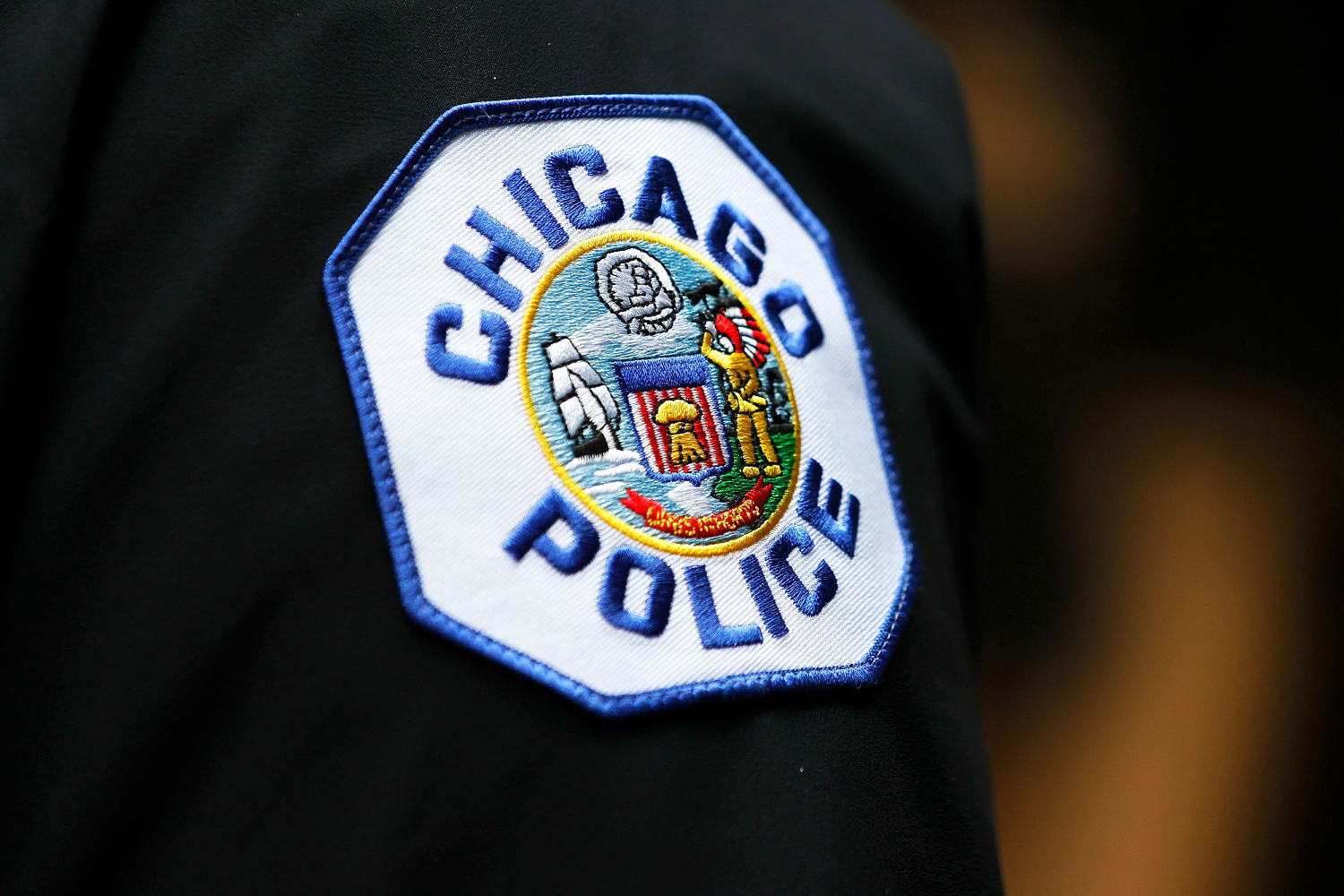
The sidewalk on a Tuesday afternoon is supposed to belong to everyone. It is a shared ribbon of concrete where strangers pass with a nod, where children drag sticks along chain-link fences, where the heavy, unmeasured business of ordinary life takes place under an indifferent sky.
Then comes the sudden screech of rubber against asphalt.
A squad car pulls up, abrupt and heavy, cutting off the pedestrian’s stride. Within seconds, the invisible line separating public space from private intimidation is crossed. There is no emergency call bringing sirens to a wail. There is only an officer stepping out, posture rigid, authority weaponized not to protect, but to diminish.
An insult cuts through the afternoon air. Sharp. Unprovoked. Designed to sting.
And then, the hands go where they have no legal right to go. pockets emptied under the guise of an investigative stop that lacks even the barest whisper of reasonable suspicion. The pedestrian stands frozen, holding the weight of a uniform that has just turned the neighborhood street into a theater of dominance.
This is not a story about a single bad day. This is a story about the erosion of trust, measured one sidewalk at a time.
The Anatomy of an Overreach
Let us look closely at what happened in Chicago, peeling back the dry language of internal affairs reports and disciplinary summaries. A Chicago police officer, sworn to uphold the constitutional protections that separate a free society from an arbitrary one, decided those rules were optional.
According to the oversight review, the officer hurled a verbal degradation at a pedestrian who had done nothing to warrant police attention. Words matter, especially when they are backed by the implicit threat of a firearm, a set of steel handcuffs, and a municipal detention cell. When a badge becomes a license for casual cruelty, the social contract fractures.
Worse than the insult was the action that followed: an unlawful search.
Let us be precise about the law, because clarity is our armor against tyranny. The Fourth Amendment of the United States Constitution is not a suggestion. It protects citizens against unreasonable searches and seizures. For an officer to stop and frisk a pedestrian on a public street, there must be reasonable articulable suspicion that criminal activity is afoot. Not a hunch. Not a bad feeling. Not the whim of an officer having a bad afternoon.
None of those legal thresholds existed on that Chicago street. The officer simply acted on impulse, treating a human being like property to be inspected.
When the civilian oversight board finally caught up with the incident, the findings were clear. Suspension followed. The bureaucratic machinery ground forward, producing documents, committee hearings, and official reprimands.
Yet, paperwork cannot wash away the humiliation.
The Cost of a Suspended Badge
A suspension is often framed as accountability. A few weeks off without pay. A notation in a personnel file. A temporary absence from the precinct schedule.
For the officer, it is an inconvenience.
For the community, it is a reminder of a profound imbalance. Every time an officer steps outside the boundaries of the law with impunity or minimal consequence, the invisible tether tying law enforcement to the public slackens a little more. People who live in neighborhoods heavily patrolled by police understand this math intimately. They do not need a review board to tell them when power is abused; they feel it in the tightening of their stomachs whenever a cruiser slows down beside them.
Imagine walking to the grocery store. Imagine planning your route not by convenience, but by safety, calculating which corners are less likely to yield an uncomfortable confrontation. That is the hidden tax paid by citizens who live under the shadow of overpolicing.
When a Chicago police officer crosses the line from peace officer to antagonist, the ripple effect reaches far beyond that single block. It reaches into living rooms where parents sit down with their teenagers to deliver the talk—that exhausting, heartbreaking instruction manual on how to survive an encounter with the people paid to protect them.
Rebuilding the Foundation
How do we fix something broken at its root?
Transparency helps, but only if it has teeth. Civilian oversight boards, when empowered with investigative independence, serve as a vital check against the instinct of institutions to protect their own. The Chicago review that brought this incident to light is proof that documentation matters. Sunlight remains the best disinfectant.
However, rules on paper are fragile things. They rely entirely on the character of the people wearing the uniform. When recruitment processes fail to screen out those drawn to authority for the sake of dominance rather than service, no amount of policy revision will save the culture from itself.
True reform requires shifting the metric of success. An officer should not be judged by the number of aggressive street stops or antagonistic encounters, but by the stability and trust they cultivate within the beat they walk.
Until that shift happens, the sidewalk remains a contested space.
The squad car drives away, leaving exhaust in the autumn air. The pedestrian continues down the block, shoulders still tense, looking over their shoulder just a second longer than they should have to. The report is filed, the suspension is served, but the distance between the badge and the citizen remains vast, quiet, and unresolved.


