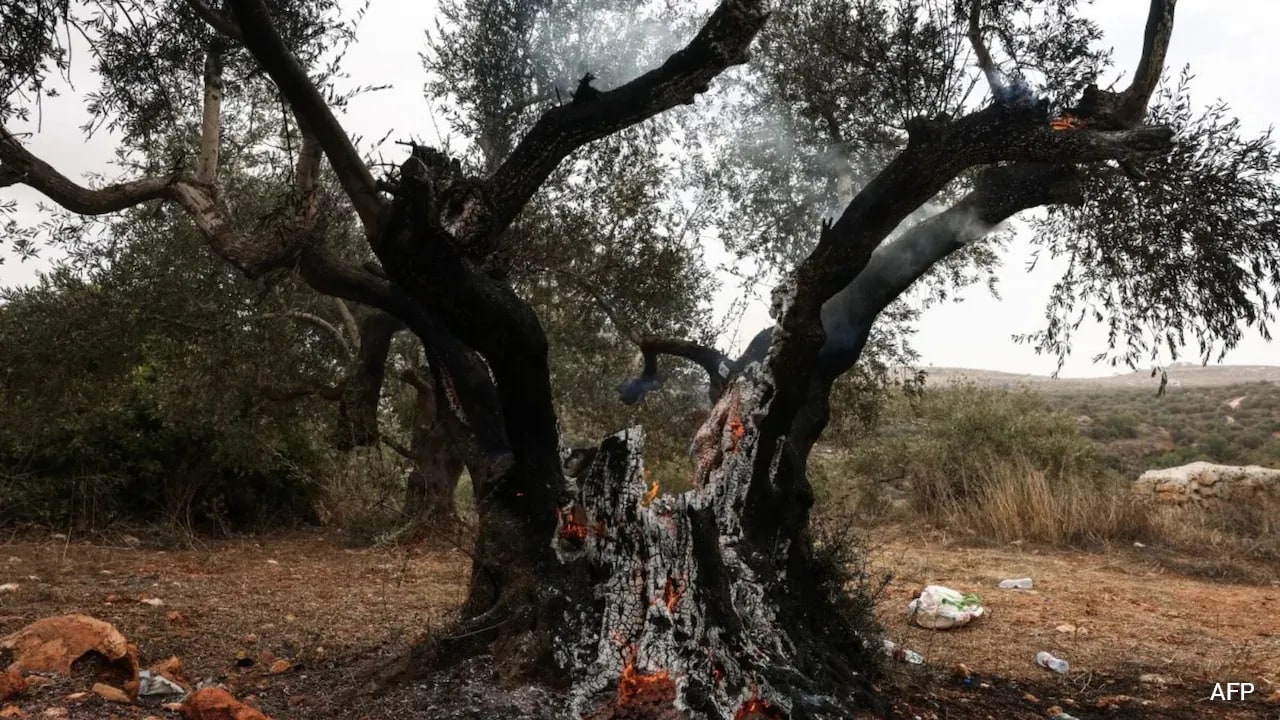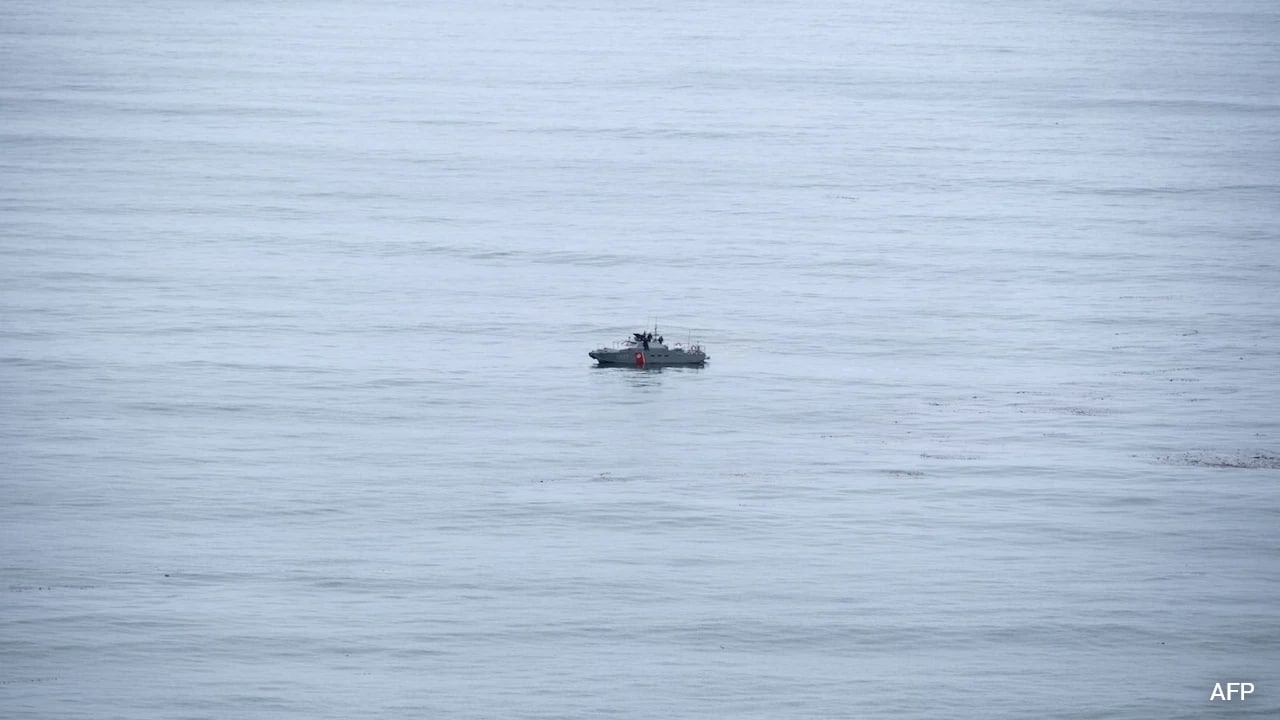
Imagine treading water in six-to-eight-foot swells 140 miles off the coast of Ensenada in pitch darkness, clinging to scattered debris while waiting for help to cross an entire stretch of open ocean. That was the reality on October 16, 2026, when a vessel reported taking on water in the Pacific off Mexico's Baja California peninsula. Sixteen people were pulled from the water alive, and another 11 were believed missing after survivors indicated as many as 27 people had been aboard.
When breaking stories like this hit the wire, short news briefs usually stick to the headline numbers: who was rescued, how many are missing, and which agencies responded. That's fine for a fast news alert, honestly. It doesn't tell you why a boat was 225 kilometers west of Ensenada in the middle of the night, how rescue crews actually haul people out of rough swells, or why maritime smuggling routes keep pushing further offshore.
What Happened Off the Baja Coast
Around 1 a.m. on Friday, October 16, 2026, someone aboard the vessel transmitted a mayday call reporting the boat was sinking roughly 140 miles west of Ensenada. Even though the sinking occurred in Mexican waters, it sat inside the U.S. Coast Guard's search-and-rescue area of responsibility, and a rescue helicopter reached the scene roughly two hours after the distress call.
When rescuers arrived, there was no intact vessel left in sight, only floating debris and people holding onto one another or trying to stay afloat. According to the Mexican consulate, the 16 rescued individuals were Mexican nationals. Crews flew them to San Diego for medical care, where officials reported critical cases, cold exposure, and severe injuries consistent with shark bites that first responders worked to stabilize mid-flight.
The search didn't stop with the initial lift. Over the next couple of days, U.S. Coast Guard units, the U.S. Navy—including the USS Kingsville and a helicopter from Helicopter Sea Combat Squadron 23—and Mexican forces including the ARM Mariano Matamoros, a 50-foot motor lifeboat (MLB-101), and the buoy tender Sagittarius combed wide swaths of ocean before the Coast Guard suspended the search for the 11 missing on Sunday evening, October 18. Across roughly 89 combined search hours and more than 2,440 square miles, teams turned up no additional survivors, leaving the case under federal investigation.
Why Maritime Smugglers Push Far Offshore
People often assume maritime smuggling happens right along the shoreline in small skiffs hugging the beach. Sometimes it does. Yet pushing 140 miles west of Ensenada points to a stark strategic calculation by smugglers: stay far enough out to evade immediate detection, then try to slip north toward Southern California.
Coast Guard leaders were blunt about the route. Capt. Rob Tucker, commander of Coast Guard Sector San Diego, noted that the vessel was traveling along a corridor typically used in illegal maritime smuggling operations and warned that offshore conditions are unforgiving and can turn fatal fast. Lt. Santiago Tamburini pointed out that while recreational and fishing boats use regional waters, smugglers routinely treat open-ocean routes as a shortcut around tighter land and near-shore enforcement.
Anyone who has spent time on open water knows the gap between a calm harbor forecast and real offshore conditions. National Weather Service meteorologist Jonathan Suk noted that water temperatures around 68 degrees Fahrenheit (20 degrees Celsius) and air near 70 degrees Fahrenheit (21 degrees Celsius) were relatively mild for the Pacific, and vessels built for offshore work can handle rough weather—provided they're properly equipped and operated. Put too many people on an unverified or poorly suited hull in six-to-eight-foot seas at night, and mild temperatures don't save anyone from swamping, capsizing, or missing life jackets.
How Night Ocean Rescues Actually Play Out
Reading "16 people rescued" takes two seconds. Pulling 16 exhausted people out of dark, rolling swells takes grueling coordination.
In interviews with the Associated Press after the October 16 operation, 24-year-old Coast Guard rescue swimmer Law described spending about two hours in the water amid darkness and six-to-eight-foot waves as the lone swimmer working the rescue basket. One hand holds a survivor; the other signals the helicopter and manages the hoist gear while the flight mechanic lowers and raises the basket repeatedly until all 16 are aboard.
Let's be real: even trained rescue crews hit physical limits in conditions like that. Fatigue sets in fast when you're fighting chop, managing panicked or injured people in the water, and treating bleeding wounds once they're inside the aircraft. That's also why binational coordination matters so much off Baja California—having U.S. aircraft and cutters alongside Mexican Navy and maritime vessels expands coverage across thousands of square miles when drift currents spread debris quickly.
Common Misconceptions About Baja Sea Incidents
A few myths keep popping up every time a boat goes down off Baja California:
- Warm air and 68-degree water mean low risk. Not even close. Treading water for hours in six-to-eight-foot swells drains energy rapidly, and cold exposure still happens even when surface temperatures aren't freezing.
- Everyone aboard gets a life vest or flotation device. Survivors from the October sinking reported that some, but not all, people on board were wearing life vests. Without flotation, staying above six-to-eight-foot waves in the dark is brutal.
- A distress call means rescuers arrive in minutes. Two hours for a helicopter to reach a point 140 miles off Ensenada is fast by open-ocean standards, yet two hours in rough water feels like an eternity when a boat is already going down.
- The case closes the moment the search is suspended. Suspending an active search after exhausting viable survival windows doesn't end accountability; federal investigators still piece together how the vessel operated, who organized the trip, and what caused the sinking.
Practical Steps for Boaters and Readers Following Maritime News
If you operate a boat in Southern California or Baja waters—or you're tracking ongoing maritime safety and border reporting—a few habits make a real difference:
- Check official primary sources first. Look directly at U.S. Coast Guard press releases and National Weather Service marine forecasts rather than relying on recycled social posts or unverified rumor threads.
- Never treat near-shore gear as offshore gear. If you run trips beyond sheltered coastal waters, carry properly sized life jackets for every person aboard, test your VHF radio and EPIRB or satellite communicator before departure, and file a float plan with someone who knows when to call for help.
- Watch the full arc of maritime investigations. Initial rescue reports focus on headcounts, while follow-up updates reveal vessel details, medical outcomes, and criminal or maritime findings.
Offshore waters off Baja California aren't forgiving, and when a boat goes down 140 miles out, every minute in the water carries steep stakes for both survivors and the crews trying to reach them.