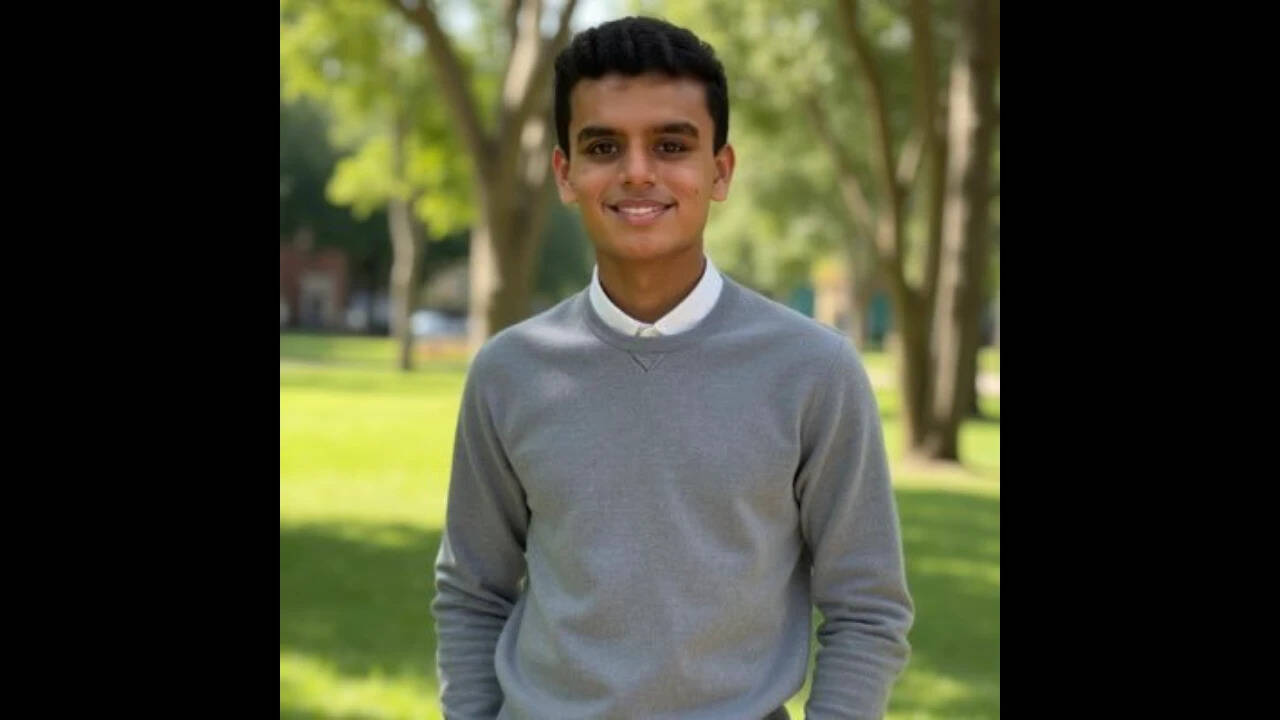
Vasant Bhatt sat in his car outside a Williamson County polling station, the steady click of a turning signal echoing in the quiet cabin. He was 21, carrying the quiet, inherited weight that comes with being a second-generation Indian-American in Texas. For months, the news had not just been background noise; it felt like a relentless personal evaluation. National politics had curdled into something harsh, marked by overt racial rhetoric, casual xenophobia, and an increasingly hostile brand of MAGA politics that made simple presence feel like a provocation.
He stepped out into the humid air, walked past the sea of yard signs, and cast his vote for Democrat James Talarico.
It was a small act in a massive state, but it represented a seismic shift taking place beneath the surface of Texas politics.
The Quiet Fracture
For decades, political strategists viewed Asian-American voters through a narrow, almost dismissive lens. They were tagged as a swing demographic, quiet, economically focused, and politically diffuse. But data tells a far more complicated story. When political rhetoric weaponizes identity, abstract party platforms suddenly transform into deeply personal stakes.
Consider what happens when a community hears its allegiance questioned on national television. It is not an academic debate. It hits at the dinner table. It shapes how a young man looks at his neighbors, wondering who sees him as a fellow Texan and who sees an outsider.
Vasant did not vote for Talarico merely because of tax proposals or school district lines. He voted because the culture surrounding the opposing ticket had become unbearable. The casual racism, once whispered, had become a bullhorn. For a young voter straddling two cultural worlds, the ballot was no longer just an administrative choice. It was a defense mechanism.
The Human Cost of Loud Politics
To understand why a 21-year-old in central Texas makes that specific mark on a piece of paper, you have to look at the atmosphere he breathes every day.
Imagine a young professional walking into a coffee shop in Round Rock. He has lived in Texas his entire life. He speaks with the same cadence as anyone else in the room, roots for the same local sports teams, and pays the same sales taxes. Yet, when national headlines flood with stories accusing immigrants of ruining the nation's fabric, the air in that coffee shop changes. The glance from a stranger carries a new edge.
This is the invisible strain. It accumulates slowly. A comment here, a dog-whistle there. Eventually, it forms a wall.
James Talarico, a former public school teacher turned state representative, built his campaign on an explicit refusal to participate in that hostility. His appeal to voters like Vasant was not grounded in radical promises, but in a deliberate, calm rejection of cruelty. In a political environment defined by noise, quiet decency can feel like a radical act.
Beyond the Demographic Spreadsheet
State lines and precinct maps often obscure the humans living inside them. Strategy rooms in Austin and Washington treat voters like numbers on a spreadsheet: suburban moms, rural voters, minority demographics. But people do not think like spreadsheets.
Vasant Bhatt’s vote reveals three core truths about the evolving electorate in the American South:
- Identity is no longer secondary. When political attacks target heritage and race, identity shifts from a background detail to the primary driver of political action.
- The suburban shift is emotional, not just economic. Central Texas suburbs are changing rapidly. The influx of tech workers, young families, and diverse populations means old political playbooks fail to capture the local reality.
- Youth voters are responding to tone as much as policy. For Gen Z voters entering the booth, candidates who foster division often alienate voters far faster than those who differ on specific legislative details.
The numbers bear this out. In suburban counties across Texas, voter turnout among young minority populations has steadily climbed. They are not waiting to be courted by traditional party apparatuses; they are reacting to the immediate world around them.
The Unspoken Line
A vote is a line drawn in the dirt.
When Vasant walked back to his car that afternoon, the world outside had not magically changed. The signs were still staked in the grass. The cable news commentators were still shouting over one another on the radio. But something had shifted inside him.
He had refused to accept a culture that framed his very existence as a point of contention. He chose instead to back a candidate who represented a different path forward for his state.
The real story of modern elections is rarely found in the victory speeches or the concession calls. It lives in those quiet moments in parking lots, where individuals decide that their dignity is worth more than party loyalty, and that silence is no longer an option.