Tensions are boiling over in Dhaka. Thousands of Hindu students just took to the streets, blocking major intersections and demanding immediate justice. They are furious. The spark for this massive mobilization was the alleged desecration of an image of Lord Ram during a recent demonstration in the Gaibandha district. For a community that makes up less than eight percent of the country's population, this is not just about a single photo. It represents a tipping point for religious minorities living under constant pressure.
You need to understand the background to see why this matters. The unrest did not happen in a vacuum. It follows weeks of escalating friction over the construction of a massive 81-foot-tall statue of Lord Ram in northern Bangladesh. Local temple authorities had to halt the construction project entirely after receiving intense threats from radical groups. When an image of the deity was reportedly targeted and disrespected during an opposition march, it felt like a direct assault on their dignity.
The Breaking Point in Dhaka and Gaibandha
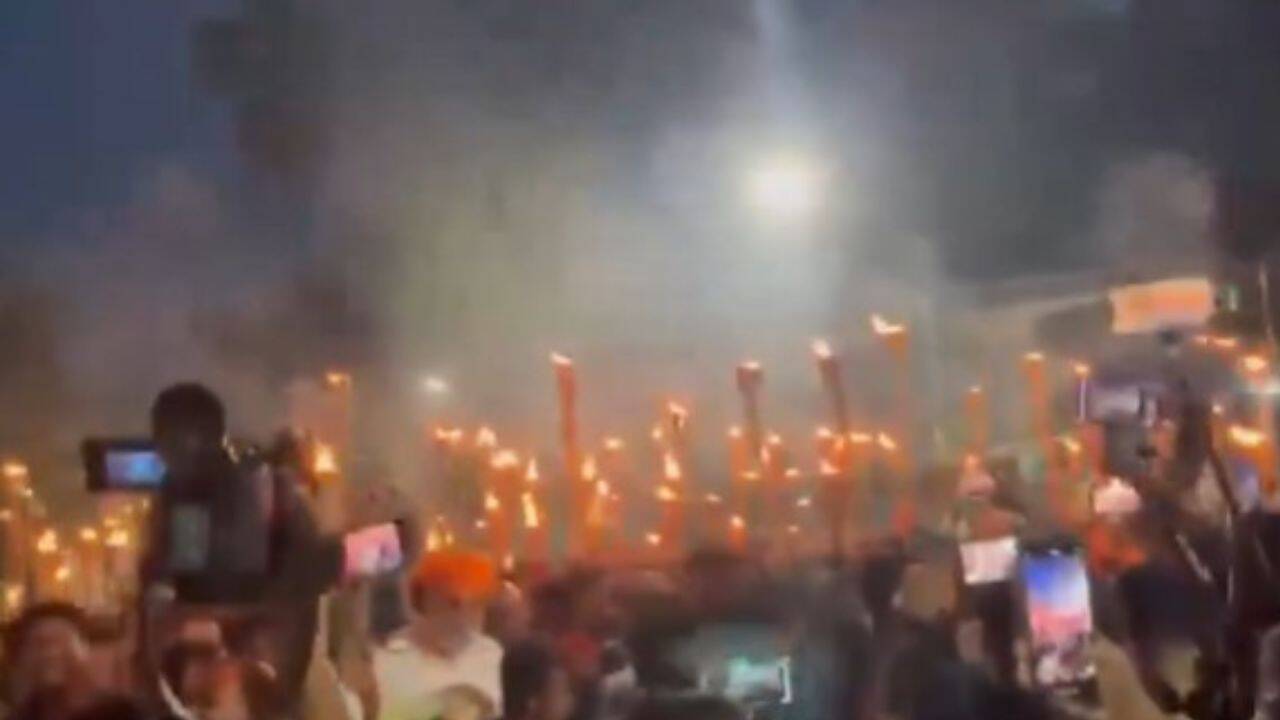
The situation on the ground shifted rapidly from local discontent to a national movement. Student groups at Jagannath University and the University of Dhaka led the charge. They organized massive torchlight processions, bringing traffic to a complete standstill at the critical Shahbagh intersection. The demonstrators gave the interim government a strict 72-hour ultimatum to arrest those responsible for the vandalism. That deadline passed without a meaningful official response.
Look at the numbers to understand the scale of the anxiety. Bangladesh has a population of over 170 million people. Hindus number roughly 13 million. When radical groups successfully halt an ongoing project like the temple complex in Palashbari, it sends a chilling message to every minority group in the country. The Sri Sri Radha Govinda Temple committee had already completed a significant portion of the project before the shutdown. The planned complex was supposed to feature a major cultural and religious display, including smaller statues of other deities. Instead, the site sits completely vacant while organizers openly admit that fear for their safety forced them to stop.
Minorities and the Fight for Basic Religious Freedom
This dispute highlights a much larger conversation about civil rights and equality. Activists from the Bangladesh Student Unity Council and the Minority Rights Movement are pointing out a clear double standard. They are asking a fundamental question. If the nation belongs to all its citizens equally, why can one group dictate whether another is allowed to build a house of worship?
The statistics backing up these fears are alarming. Human rights organizations like the Bangladesh Hindu Buddhist Christian Unity Council documented dozens of distinct incidents of communal friction in just the first quarter of this year alone. These include threats against religious structures, physical confrontations, and a continuous stream of hostile rhetoric on social media platforms. When a viral video showed a local preacher openly calling for bulldozers to level a religious site, it became clear that the threat was not hypothetical.
Why Official Silence Is Making Things Worse
The current political leadership under Prime Minister Tarique Rahman faces a massive test of stability. So far, the official silence from the administration has only caused frustration to grow among the youth. When governments refuse to take a swift stance against vandalism and intimidation, it creates a dangerous vacuum. Radical factions feel emboldened, while minority communities feel completely abandoned by the state.
A local student leader summarized the feeling perfectly during a recent rally. He noted that the protests are no longer just about a single act of desecration. They are about the right to exist with dignity, the right to practice faith without fear, and the right to equal protection under the law. The lack of an immediate police crackdown on the individuals who threatened the temple committee shows a worrying reluctance to enforce the law evenly.
The Broader Impact on Regional Stability
This domestic friction is already spilling over into international relations. Ties between Dhaka and New Delhi are experiencing renewed strain. Earlier this week, Indian immigration officials briefly detained a top adviser to the Bangladeshi Prime Minister at the Delhi airport, citing a history of highly combative statements regarding regional politics. When internal communal incidents flare up in Bangladesh, they instantly reverberate across the border, complicating trade, security, and diplomatic dialogue.
International observers are watching the situation closely. Secular activists within Bangladesh are speaking out, warning that allowing radical groups to veto minority religious projects undermines the democratic fabric of the entire nation. It sets a precedent where intimidation wins over constitutional rights.
True Security Requires Immediate Accountability
If the government wants to restore social harmony, it has to stop issuing vague statements about peace and start taking concrete action. The path forward requires clear enforcement of existing laws against property damage and hate speech.
First, authorities must identify and prosecute the individuals caught on video vandalizing religious symbols in Gaibandha. Holding lawbreakers accountable is the only way to signal that intimidation will not be tolerated.
Second, the state needs to provide active security escorts so that the temple construction in Palashbari can resume safely. Allowing a lawful project to remain paused due to threats is a total capitulation to radical pressure.
Finally, student groups are calling for an independent oversight body to track and investigate minority rights violations. True peace is impossible without justice. Until the government takes these steps, the crowds at Shahbagh will only continue to grow. You can expect more demonstrations, more human chains, and more political pressure until the minority community feels safe in its own country. Every day the administration waits is another day that stability slips further away.