Politicians love a shiny panic button. Hand them a complex cultural shift, a structural failure in parenting, or the messy evolution of human communication, and they will reach for the exact same prop every single time. A ban.
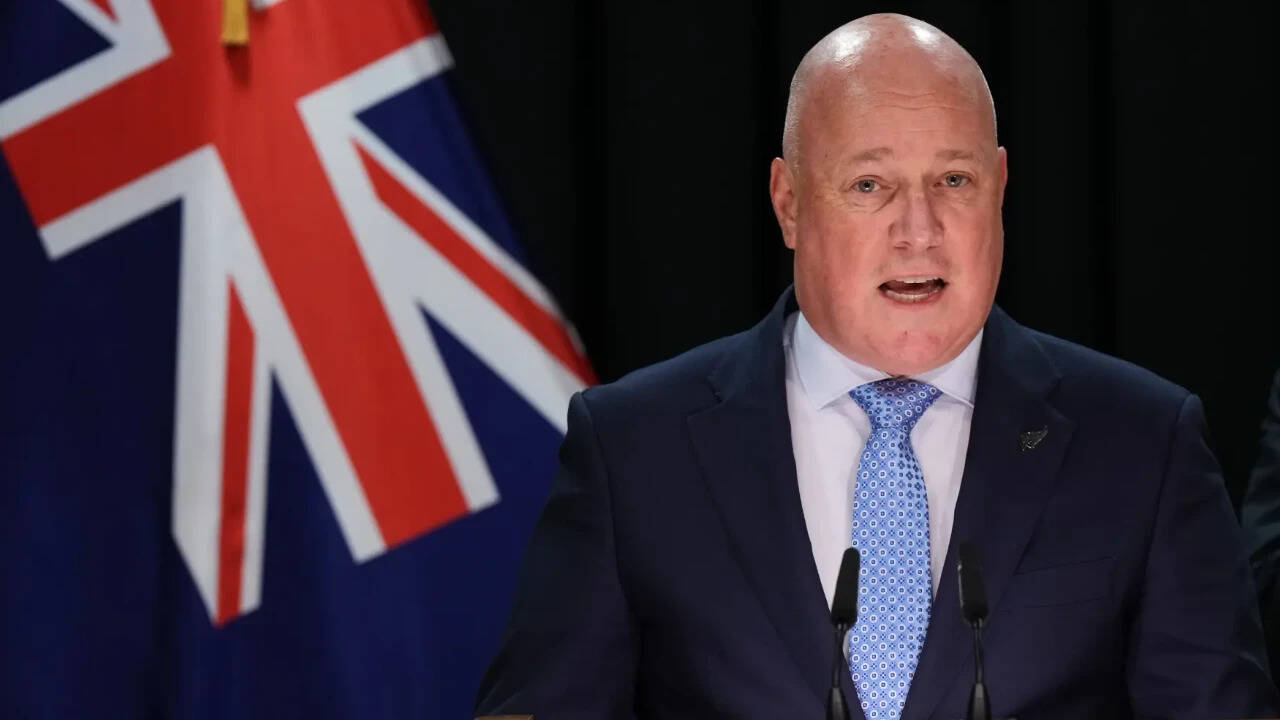
First Australia swallowed the bait, and now New Zealand is lining up to propose a social media ban for anyone under sixteen. The lazy consensus sounds righteous on morning television: protect the children, pull them away from the glowing screens, and restore some imaginary, pristine childhood that hasn't existed since the nineties.
It is a coward's policy. It sounds aggressive, but it actually requires zero structural imagination. I have watched legacy institutions blow millions of dollars trying to legislate human behavior out of existence, and the result is always the same. You do not fix a systemic problem by drawing a hard age line in the sand. You just teach teenagers how to use a VPN by Tuesday afternoon.
Let us dismantle the core falsehood driving this entire moral panic: the assumption that a digital platform is a toxic waste dump waiting to swallow an innocent mind, and that removing access equals safety.
The Digital Literacy Vacuum We Refuse to Address
The proponents of these age restrictions treat technology like a toxic substance, grouping TikTok and Instagram right alongside cigarettes and alcohol. That comparison is intellectually bankrupt. Alcohol is a chemical compound with zero cognitive utility for a minor. Social media is a communications infrastructure. It is where modern social hierarchy, peer negotiation, economic literacy, and cultural identity are built.
When you lock teenagers out of that infrastructure until a random birthday, you do not protect them. You handicap them.
I have spent years advising tech platforms and analyzing digital safety protocols, and I can tell you precisely what happens when you implement age-gating without infrastructure. You create a segregated internet. The kids who possess technical literacy bypass the blocks instantly. The kids who do not are cut off entirely from the peer groups, niche support systems, and creative outlets that define modern youth culture.
Instead of teaching kids how to curate algorithms, recognize engagement bait, and manage digital friction, politicians want to pretend the internet stops at sixteen. It is the administrative equivalent of blindfolding a teenager before handing them the keys to a spaceship because you are too exhausted to teach them how to fly.
The Surveillance Nightmare No One Wants to Discuss
Let us look at the mechanics of what New Zealand and Australia are actually proposing. How do you enforce an under-sixteen social media ban?
You do it through mass digital identification.
To prove you are old enough to scroll through a public forum or post a video of your art, you have to hand over biometric data, government-issued IDs, or face third-party age-verification vendors. Think about the privacy implications for a second. We are about to mandate that teenagers—and by extension, every single adult who has to prove their age to use basic web services—surrender sensitive personal data to a web of shady verification startups.
The cure is infinitely worse than the disease. You are trading transient algorithmic anxiety for permanent state and corporate surveillance architecture. Security researchers have pointed out repeatedly that centralized age-verification databases are honey pots for data breaches. But lawmakers do not care about database hygiene. They care about the headline that reads they are taking action.
The Substitution Effect
Assume for a moment that the bans actually work. Imagine a totalitarian digital lockdown where every minor in Auckland or Sydney is successfully walled off from mainstream social platforms.
Do these kids suddenly pick up woodworking, read classic literature, and spend their afternoons debating philosophy in the park?
Of course not. Human desire does not evaporate just because a parliament passes a statute. Teenagers migrate to unmoderated, decentralized, and infinitely darker corners of the web. They move to encrypted messaging apps, niche gaming chat rooms, peer-to-peer servers, and dark forums where algorithmic recommendation feeds are replaced by unregulated human predators and echo chambers with zero oversight.
Mainstream platforms are sanitized compared to what kids find when you drive them underground. By forcing them off visible networks, you eliminate whatever safety guardrails, reporting mechanisms, and moderation teams currently exist—flawed though they may be—and push kids into digital back alleys.
The Real Work We Are Avoiding
If you want to protect teenagers online, the solution requires actual labor, not a legislative press release.
First, we need to mandate algorithmic transparency and default safety-by-design for minors, rather than pretending age limits solve bad product architecture. Platforms should be forced to disable infinite scroll, engagement-based notifications, and predatory retention loops for accounts registered to minors. That hits the profit margins of tech giants, which is precisely why politicians prefer the ban instead—it lets big tech off the hook while pretending to punish them.
Second, digital literacy needs to be treated with the same foundational urgency as math or reading. A fifteen-year-old who does not understand how an attention economy monetizes outrage is unequipped for the modern world. Pretending they will magically gain that wisdom on their sixteenth birthday is institutional malpractice.
We do not need another paternalistic ban designed to soothe the anxieties of politicians who do not understand how Wi-Fi works. We need to stop treating teenagers like passive victims and start treating them like digital citizens who need better tools, not blindfolds.
Delete the ban. Fix the products. Teach the kids.
Or keep passing laws that only work on paper while the next generation bypasses your incompetence before dinner.