The metal tray hits the table with a dull, hollow clang. Inside the molded aluminum compartments sits a gray mound of mystery meat, swimming in a lukewarm puddle of translucent grease, flanked by a scoop of mashed potatoes that possess the consistency of wet plaster.
To an outsider, it is just a bad lunch. To a soldier, it is a betrayal. For a different perspective, see: this related article.
Food in the military is never just about calories. It is the final thread connecting a human being to civility, comfort, and home. When that thread snaps, morale goes with it. The United States military learned this the hard way through decades of complaints, quiet rebellions, and wasted millions discarded into base dumpsters. Now, on the other side of the Pacific, China is attempting to bypass this timeless military curse entirely.
They are betting that artificial intelligence can solve a problem as old as warfare itself: how to make thousands of young men and women eat what is given to them, and actually like it. Similar insight on this trend has been shared by Wired.
But a fundamental question remains. Can an algorithm truly understand the deeply human ache of hunger, or are we about to witness the birth of a whole new kind of bureaucratic nightmare?
The Phantom Enemy of the Mess Hall
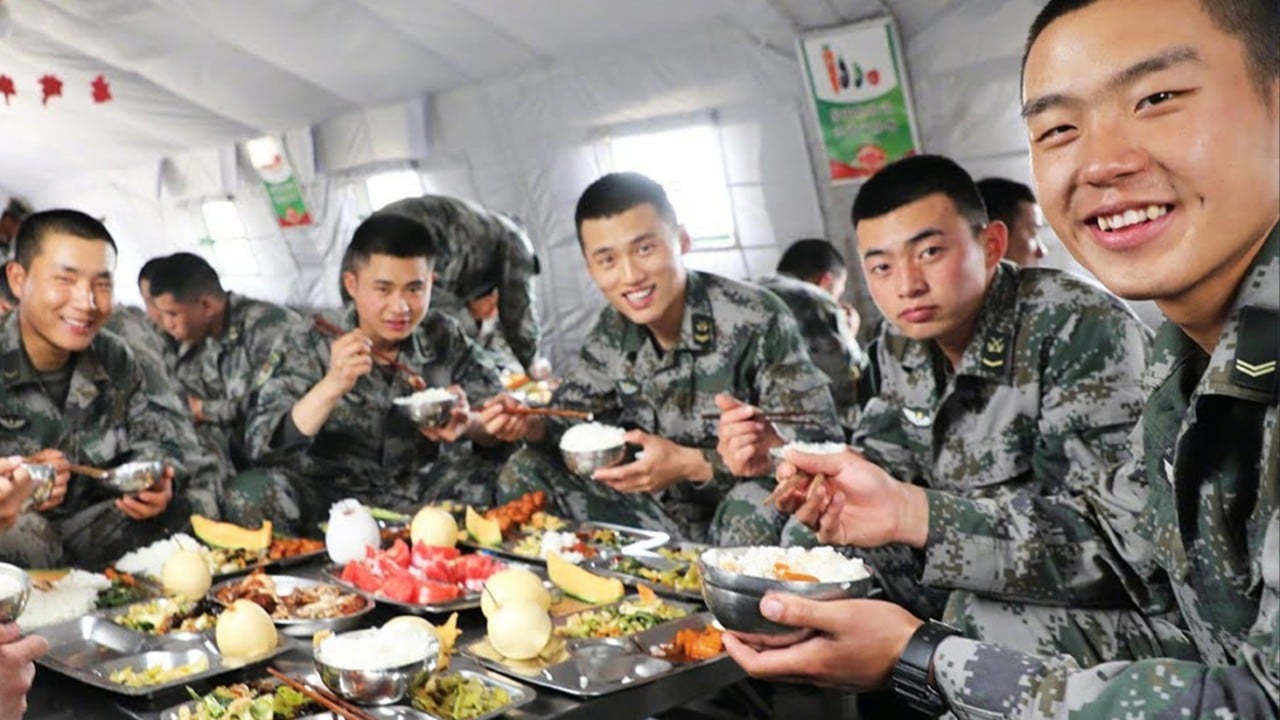
Consider a hypothetical private named Chen. He is nineteen, exhausted, and stationed thousands of miles from his family's kitchen in Sichuan province. He has just finished a grueling twelve-hour shift in the damp heat. His muscles throb. His mind is frayed. He wants something that tastes of home—something with the sharp, numbing kick of Sichuan peppercorns to remind him that he is still a person, not just a cog in a massive geopolitical machine.
Instead, he gets a standardized ration. It is nutritionally perfect. It has the exact grams of protein required by military planners. It is utterly lifeless.
Chen pushes the food around his tray. He eats just enough to keep his stomach from growling, then dumps the rest. Multiplying Chen by two million active-duty personnel reveals a massive logistics failure.
The Pentagon has spent decades studying this exact phenomenon. They even have a term for it: "plate waste." American soldiers have historically expressed their disdain for field rations—the infamous Meals, Ready-to-Eat (MREs)—by renaming them with dark humor. "Meals Rejected by Everyone." "Materials Raw and Edible." The military realized too late that a soldier who refuses to eat is a soldier operating at a caloric deficit. Fatigue sets in. Focus slips. Mistakes happen.
China’s military leadership is acutely aware of this vulnerability. They watched the American experience and realized that traditional surveys are useless. Soldiers lie on surveys. They check boxes randomly just to get back to their barracks.
To find out what soldiers actually want, China is turning to the cold, unblinking eye of the camera.
The Algorithm at the Cafeteria Counter
In several experimental mess halls across China, the traditional cafeteria lady is being replaced, or at least guided, by high-definition cameras and automated weight sensors.
The system tracks everything. It begins the moment Chen walks into the dining facility. Facial recognition logs his identity, linking his plate to his medical records, his recent physical activity data, and his ancestral home region. As the server places food onto his tray, deep-learning algorithms analyze the color, texture, and volume of the portions.
But the real magic—and the real horror, depending on your perspective—happens at the dish return station.
Before Chen can scrape his leftovers into the trash, his tray passes under a final set of scanners. The AI calculates the exact volume of food remaining. It compares the weight of the initial serving against the weight of the waste.
Did Chen eat the broccoli but leave the pork? The system notes it. Did an entire platoon dump their spicy tofu untouched? An automated alert is generated.
This is not science fiction. It is a massive, data-driven feedback loop designed to optimize the military palate. The data flows backward to centralized supply chains, altering agricultural purchasing orders and rewriting menus in real-time. If the algorithm detects a sudden drop in consumption, it adjusts. It introduces variety. It tweaks seasoning profiles based on the regional demographics of the base.
On paper, it is a masterclass in technological efficiency. In practice, it introduces a friction that no software engineer can fully calculate.
The Flaw in the Perfect Machine
We must admit something uncomfortable about data: it captures behavior, but it completely misses meaning.
Imagine Chen’s platoon leader notice that the AI is docking their unit’s morale score because of high food waste. The pressure trickles down. Suddenly, eating becomes a duty. Leaving food on the plate is no longer just a personal preference; it is a data point that reflects poorly on the squad's discipline.
Chen stares at his tray. He is full, or perhaps he feels slightly nauseous from the heat. But he forces the last greasy bite down his throat anyway, solely to satisfy the machine at the dish return. The AI logs a hundred percent consumption rate. The system celebrates a success. The menu is locked in for another month.
The data is pristine, but the human being is miserable.
This is where the concept of automated empathy falls apart. Food is emotional. Sometimes a soldier leaves food on their plate not because the cooking is poor, but because they are homesick, or anxious, or grieving a letter from home. A camera can measure the volume of a leftover potato, but it cannot weigh the heavy heart of the person who abandoned it.
The United States military tried to solve this with food science, inventing chemical formulations to keep bread soft for three years and engineering hot sauce packets that could survive a drop from a helicopter. Yet, the complaints persisted. Why? Because a meal eaten in isolation under a camouflage net is never just a chemical delivery system for carbohydrates. It is a ritual.
Small Comforts and Large Stakes
The real test for China’s AI-powered kitchens will not take place in the pristine, climate-controlled experimental bases near Beijing. It will happen on the jagged, oxygen-depleted ridges of the Himalayas, or on isolated concrete outposts in the South China Sea.
In those extreme environments, the world shrinks. Big geopolitical strategies fade into the background. The horizon consists only of rock, water, and sky. In those moments, the highlight of a human being's day is the small rectangle of aluminum foil waiting for them at noon.
If the AI fails to understand this—if it optimizes for nutrition while ignoring comfort—the consequence will not be a software bug. It will be a quiet, systemic rot in readiness.
Technology can optimize the supply chain, predict spoilage, and ensure that fresh vegetables arrive at the furthest corners of an empire before they turn to mush. That is a genuine triumph of engineering. But the moment the machine attempts to dictate the joy of eating, it crosses a line from helpful tool to digital warden.
Chen walks out of the mess hall, his stomach full but his spirit untouched. He did not leave a single scrap on his plate today. The red light on the scanner flashed green as he passed. The system recorded a perfect transaction.
Somewhere in a server room hundreds of miles away, a graph trends upward, completely blind to the fact that a young man is walking back to his tent, wishing for nothing more than a simple, imperfect meal cooked by hands that actually know his name.