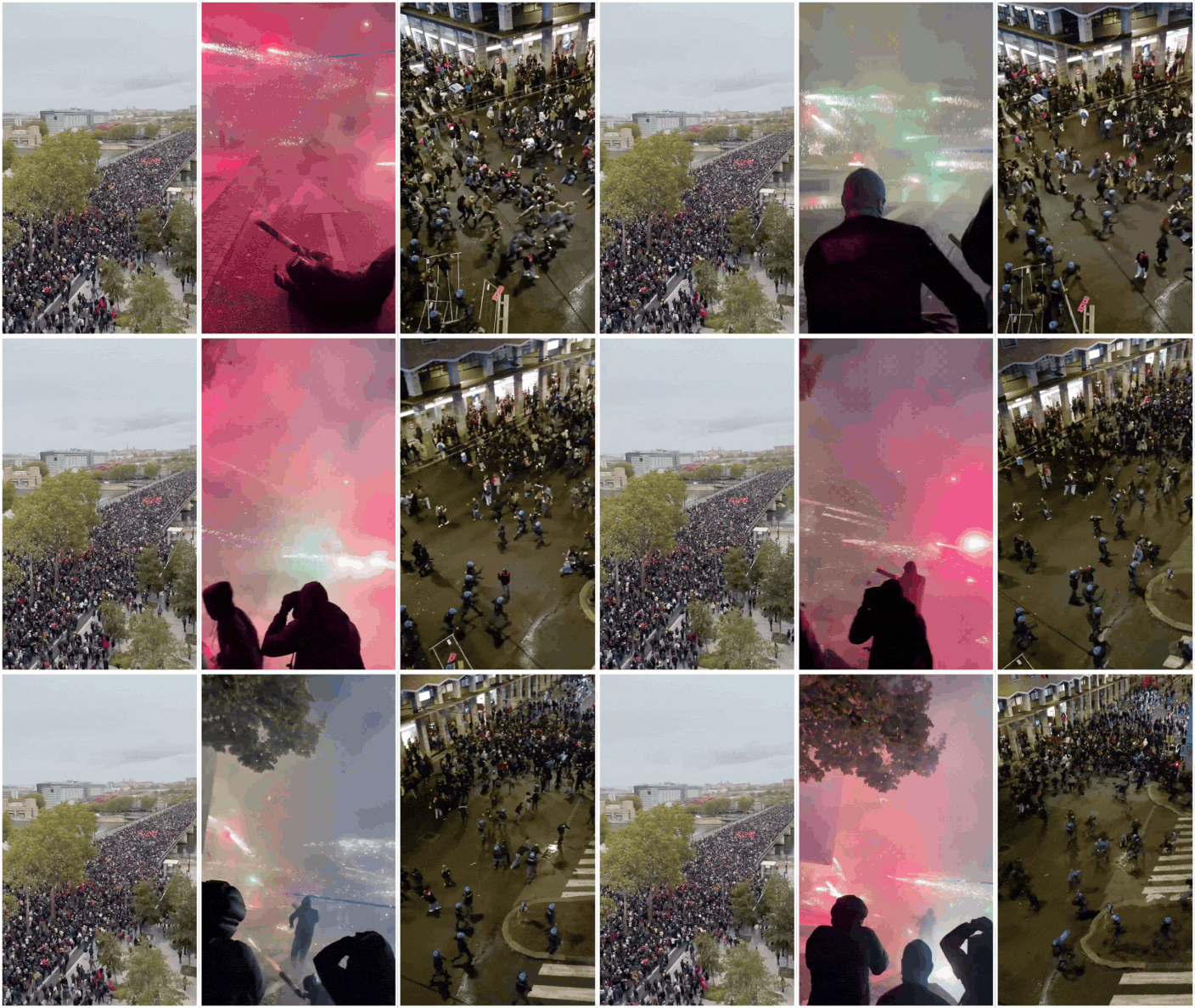
Cross-border drone warfare has turned Russia's Belgorod region into a frontline where air defenses, civilian streets, and supply routes collide almost daily. When reports surface of Ukrainian drone attacks killing three people and injuring 14 in the Belgorod region, readers usually want two things right away: what actually happened on the ground, and why this border keeps absorbing such heavy blows.
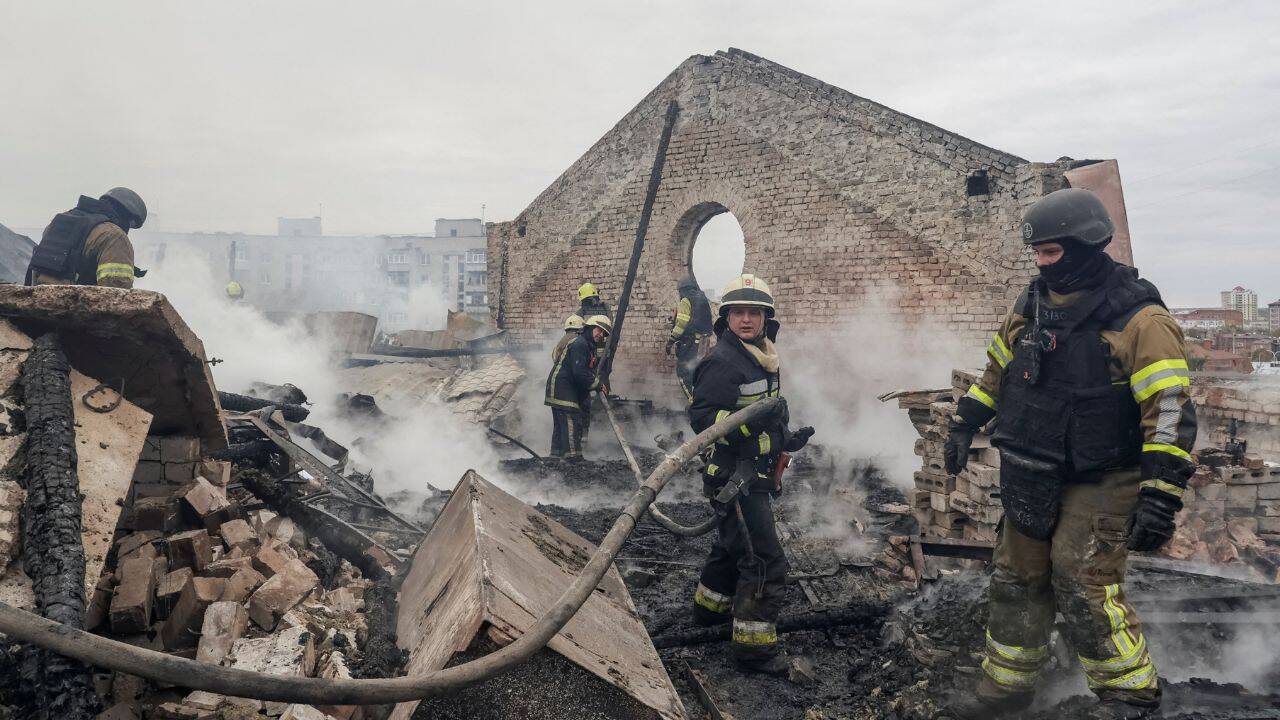
Honest reporting starts with a hard truth. Casualty tallies and strike details in border regions like Belgorod are notoriously difficult to verify independently in real time. Official statements from regional governors, Russia's Defense Ministry, state outlets like TASS, and international wire services such as Reuters and AFP often report overlapping incidents, shifting counts, and separate strikes across nearby districts. For instance, reporting on October 25, 2026, highlighted deadly Ukrainian strikes affecting Belgorod and surrounding border areas—including an overnight attack on the city of Belgorod that left three dead and 13 injured, alongside a separate strike near Shebekino that killed another person and wounded one more, bringing daily tolls in that reporting cycle to four killed and 14 injured across the region. Other reporting cycles in autumn 2026 documented separate lethal strikes across districts like Belgorodsky, Volokonovsky, and Shebekinsky, as well as fires, damaged cars and buses, and residential and commercial impacts in Belgorod city.
What Makes Belgorod So Vulnerable to Drone Attacks
Geography is the obvious reason, yet it isn't the whole story. Belgorod sits right next to the Ukrainian border, putting towns, roads, and logistics hubs within short flight range of small reconnaissance and strike drones. Short flight times shrink warning windows. Sometimes there's barely enough time for sirens or electronic alerts before explosions hit.
Another factor is saturation. When hundreds of unmanned aerial vehicles (UAVs) are launched across multiple Russian regions—or concentrated along border corridors—air defense batteries have to make split-second choices. Interceptors cost far more than many cheap drones. Even when air defenses shoot down or electronically suppress a high percentage of incoming UAVs, falling debris, blast waves, and low-flying drones that slip through still cause fires, vehicle damage, and casualties on the ground.
Why Standard Breaking News Summaries Miss the Bigger Picture
Most short news briefs read like a tally sheet. X drones downed. Y buildings damaged. Z people hurt or killed. That format tells you what happened in a single news cycle, not why the pattern repeats week after week.
In my view, treating a border drone strike as an isolated freak event is a mistake. Belgorod functions as a staging, transit, and administrative hub near the front. Strikes there aren't just aimed at terrorizing residents or testing air defenses—though civilian harm and disruption are severe consequences—they also pressure logistics, stretch Russian interceptor stocks, and force military planners to keep troops and air defense units tied down along the border instead of deploying them elsewhere.
At the same time, you have to watch out for information fog on both sides. Russian officials routinely announce high numbers of intercepted drones without independent confirmation of how many were launched or hit their targets. Ukrainian authorities frequently withhold comment or frame long- and short-range strikes around military logistics and defense infrastructure, while local residents and emergency crews deal with shattered glass, burning vehicles, and displaced neighbors.
How Civilians and Local Authorities Cope Under Constant Threat
Living near an active drone corridor changes everyday routines in ways outsiders rarely grasp until they look closely at local reporting. Commuting by car or bus becomes riskier when drones target vehicles on rural roads or detonate near parking lots. Municipal crews end up clearing debris, extinguishing vehicle and building fires, and arranging temporary housing when apartment blocks or commercial spaces take hits.
People often ask whether air raid alerts actually help against low-flying drones. Coverage from Russian border and interior regions shows a mixed reality: alerts can give people minutes to move away from windows or seek shelter, yet sudden low-altitude approaches or stray debris can still catch people off guard. When alerts sound constantly over weeks and months, alert fatigue sets in too. Nobody can spend half their life in a basement for months on end without work, school, and basic life falling apart.
Common Misconceptions About Drone Strikes in Belgorod
- Every reported strike hits a major military base. Plenty of incidents involve drones intercepted over urban areas, falling debris, strikes on cars or local infrastructure, or attacks near residential and commercial neighborhoods. A strike having a military rationale doesn't mean the impact stays confined to military property.
- High interception numbers mean zero damage. Claiming dozens or hundreds of downed drones sounds reassuring on paper, yet a single drone getting through—or heavy debris coming down over a populated street—can kill, injure, or spark a serious fire.
- Casualty numbers in the first few hours are final. Early counts often change as emergency responders check hospitals, reach outlying villages, or update the condition of critically wounded patients.
Practical Ways to Track Reliable Updates on Border Strikes
If you follow developments in Belgorod or similar conflict zones, don't rely on a single social media post or a headline with an exact death toll before cross-checking. Look for corroborated reporting from established international agencies like Reuters or independent outlets such as The Moscow Times, and pay attention to whether claims are explicitly labeled as unverified or attributed to a specific governor or ministry. Separate overnight barrages from daytime incidents so you don't accidentally double-count casualties across overlapping news reports. Most importantly, keep your expectations grounded: in active drone warfare, the clearest signal usually isn't a single day's number, it's the steady rhythm of escalation, adaptation, and strain along the border.
Four killed, 13 injured in Ukrainian attacks on Russia's Belgorod provides news coverage of the deadly Ukrainian drone strikes across Russia's Belgorod region.