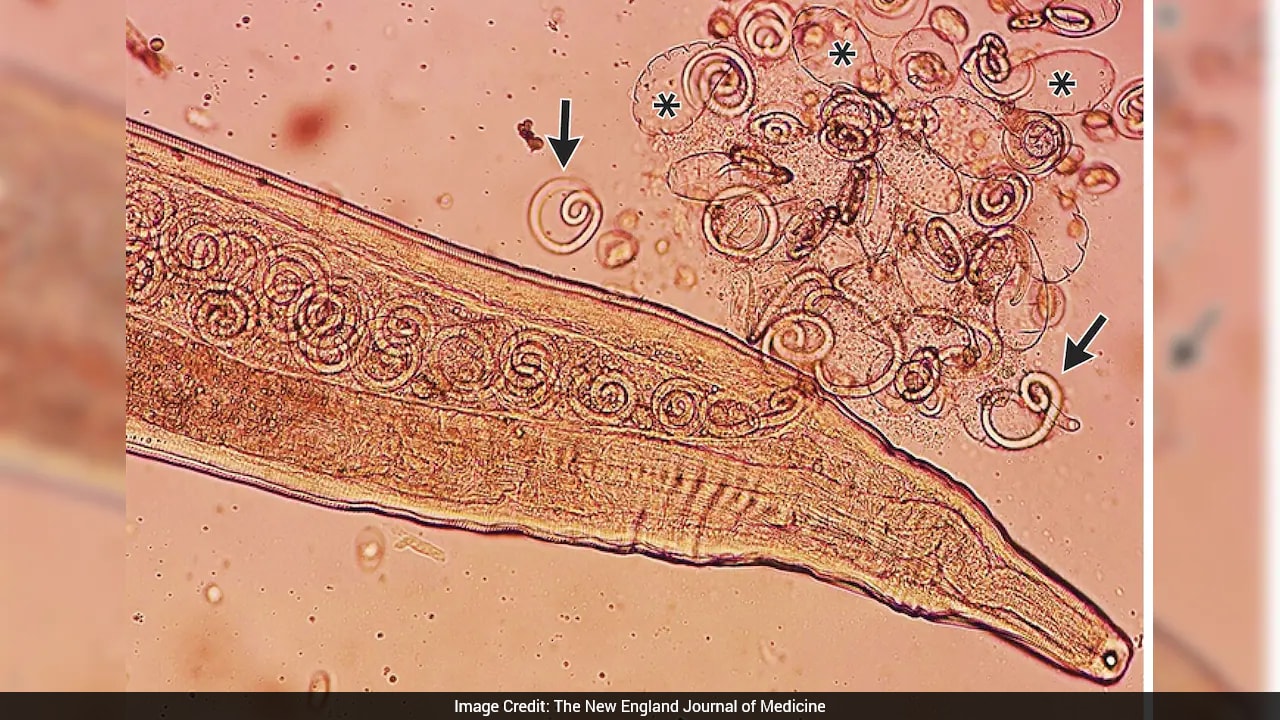
Using anti-dandruff shampoo as a facial cleanser works exclusively when the underlying breakout is Malassezia folliculitis rather than Cutibacterium acnes acne vulgaris, yet the formulation mechanics designed for the scalp create a severe epidermal barrier deficit when applied to the face. Consumers frequently repurpose pyrithione zinc, ketoconazole, or selenium sulfide shampoos to clear stubborn forehead and hairline papules. This off-label intervention succeeds only because these active pharmaceutical ingredients (APIs) arrest fungal proliferation within the pilosebaceous unit. However, scalp-grade surfactants and high-concentration active agents strip intercellular stratum corneum lipids, triggering rebound sebum production, irritant contact dermatitis, and microbiome dysbiosis. Achieving clearance without destroying facial barrier integrity requires matching the exact antifungal mechanism to the specific follicular pathogen while strictly controlling surfactant contact time.
The Pathophysiological Split Bacterial Acne vs Fungal Folliculitis
The foundational error in off-label shampoo application is treating all erythematous papules and pustules as a single clinical entity. Standard dermatological triage divides follicular inflammation into two distinct biological pathways, each requiring an incompatible chemical intervention.
Acne Vulgaris The Bacterial and Keratinization Model
Classic acne vulgaris is driven by four primary variables: follicular hyperkeratinization, excess androgen-mediated sebum production, colonization by the anaerobic bacterium Cutibacterium acnes (formerly Propionibacterium acnes), and localized inflammatory cytokine cascades. In this pathway, corneocytes fail to desquamate properly, forming a microcomedone. Trapped sebum creates an anoxic environment where C. acnes hydrolyzes triglycerides into free fatty acids, irritating the follicular wall. Standard interventions rely on keratolytic agents (salicylic acid, retinoids) to clear the keratin plug and antibacterial agents (benzoyl peroxide, topical clindamycin) to reduce bacterial load. Antifungal shampoos exert zero direct bactericidal effect on C. acnes and possess negligible comedolytic properties. Applying them to true bacterial acne leaves the root causes—hyperkeratinization and bacterial proliferation—completely unaddressed.
Malassezia Folliculitis The Lipophilic Yeast Model
What viral skincare trends label "fungal acne" is clinically classified as Malassezia folliculitis (formerly Pityrosporum folliculitis). Malassezia species—predominantly Malassezia globosa and Malassezia restricta—are commensal, lipophilic yeasts that reside naturally on human skin. Because these organisms lack the fatty acid synthase gene, they cannot synthesize their own lipids. Instead, they secrete lipases and phospholipases to hydrolyze human sebum triglycerides into free fatty acids, consuming the saturated fatty acids and leaving behind unsaturated fatty acids (such as oleic acid) on the skin surface.
When environmental factors (high heat, humidity, occlusive cosmetics) or host factors (immunosuppression, broad-spectrum oral antibiotic use that eliminates competing bacterial flora) disrupt the cutaneous microbiome, Malassezia proliferates rapidly inside the hair follicle. This overgrowth triggers an inflammatory response via Toll-like receptor 2 (TLR2) activation and complement cascade stimulation, producing uniform, monomorphic, pruritic (itchy) 1–2 mm papules and pustules, typically distributed along the hairline, forehead, temples, upper chest, and back. Unlike acne vulgaris, Malassezia folliculitis lacks open or closed comedones (blackheads and whiteheads).
Diagnostic Differentiation Matrix
- Morphology: Acne vulgaris presents polymorphically (a mix of comedones, papules, pustules, and nodules of varying sizes). Malassezia folliculitis presents monomorphically (uniform, pinpoint red bumps of identical size).
- Symptomatology: Acne lesions are typically tender or painful upon palpation. Malassezia lesions are distinctly pruritic, with itching intensifying during perspiration.
- Antibiotic Response: Acne vulgaris improves under topical or oral tetracycline-class antibiotics. Malassezia folliculitis worsens under antibiotic therapy because suppressing commensal bacteria removes biological competition, accelerating yeast overgrowth.
- Distribution: Acne concentrates in the central T-zone and lower third of the face. Malassezia clusters along the perimeter of the scalp, upper forehead, chest, and interscapular region.
Mechanisms of Action in Anti-Dandruff Formulations
Anti-dandruff shampoos are formulated to treat seborrheic dermatitis and pityriasis capitis—conditions driven by the exact same Malassezia species responsible for facial fungal folliculitis. When applied to the face, the efficacy of the shampoo depends entirely on the specific active ingredient and its biochemical mode of action.
Ketoconazole (1% Over-the-Counter, 2% Prescription)
Ketoconazole is a synthetic imidazole antifungal agent. Its primary mechanism is the inhibition of lanosterol 14-alpha-demethylase, a cytochrome P450-dependent enzyme required to convert lanosterol into ergosterol. Ergosterol is the primary sterol maintaining fluidity and structural integrity in fungal cell membranes (analogous to cholesterol in mammalian cells). By halting ergosterol synthesis, ketoconazole causes toxic methylated sterols to accumulate within the fungal membrane, altering membrane permeability, arresting cell replication, and inducing fungal cell death. Secondary to its antifungal action, ketoconazole exhibits direct anti-inflammatory properties by inhibiting 5-lipoxygenase, reducing leukotriene synthesis, and demonstrating weak localized anti-androgenic activity that may marginally temper sebum output.
Pyrithione Zinc (1% to 2%)
Pyrithione zinc (ZPT) acts as a fungistatic and bacteriostatic coordination complex. Its mechanism relies on increasing intracellular copper levels within the fungal cell. Once internalized, pyrithione zinc facilitates copper influx, which subsequently inactivates iron-sulfur (Fe-S) cluster-containing enzymes critical for fungal metabolism, ATP synthesis, and cellular respiration. Unlike ketoconazole, which targets the cell membrane directly, pyrithione zinc induces metabolic collapse via heavy metal toxicity within the yeast cell. It also normalizes epidermal keratinization, reducing the scaling associated with seborrheic dermatitis. (Note: While still widely available in the United States, pyrithione zinc was banned in cosmetics in the European Union in 2022 under CMR 1B classification based on ingestion toxicity studies, shifting European formulations toward piroctone olamine).
Selenium Sulfide (1% Over-the-Counter, 2.5% Prescription)
Selenium sulfide operates through a dual cytostatic and keratolytic mechanism. First, it exhibits direct antimycotic activity against Malassezia by disrupting fungal cell wall synthesis and interfering with intracellular enzyme systems. Second, it exerts a localized cytostatic effect on epidermal cells, slowing down the hyperproliferative turnover rate of corneocytes. By reducing epidermal cell proliferation, selenium sulfide decreases the shedding of skin cells that would otherwise serve as a physical substrate and nutrient trap for yeast colonization.
Piroctone Olamine
Increasingly utilized as a replacement for pyrithione zinc, piroctone olamine is the ethanolamine salt of the hydroxamic acid derivative piroctone. It penetrates the fungal cell membrane and forms complexes with trivalent iron ions ($Fe^{3+}$). By chelating iron, it inhibits essential mitochondrial energy metabolism and enzymatic activity within the Malassezia cell, leading to fungicidal clearance without the harsh sulfur odor or heavy-metal profile of selenium sulfide or pyrithione zinc.
The Formulation Mismatch Why Scalp Vehicles Damage Facial Skin
The core operational flaw in using shampoo on the face is not the active antifungal ingredient; it is the surfactant vehicle engineered to deliver it. Scalp physiology and facial physiology represent radically different biological substrates, and formulations optimized for one systematically degrade the other.
Structural Anatomy Scalp vs Facial Epidermis
The human scalp possesses a thick stratum corneum, a high density of large terminal hair follicles, and a massive concentration of sebaceous glands producing abundant protective lipids. To clean the scalp effectively, a shampoo must cut through thick sebum, dead skin scale, environmental pollutants, and heavy hair-styling polymers (silicones, polyquaterniums, waxes).
Conversely, facial skin—particularly on the cheeks, periorbital area, and nasolabial folds—features a significantly thinner stratum corneum (often 10 to 15 cell layers thick compared to 20+ on the scalp or body), smaller vellus hair follicles, and a higher rate of baseline transepidermal water loss (TEWL).
Surfactant Aggression and Lipid Stripping
To achieve high foaming power and deep degreasing on the scalp, commercial anti-dandruff shampoos rely on primary anionic surfactants—most notably Sodium Lauryl Sulfate (SLS) and Sodium Laureth Sulfate (SLES).
Anionic surfactants possess a negatively charged hydrophilic head and a lipophilic hydrocarbon tail. When applied to skin, these molecules form micelles that solubilize and lift away surface sebum. However, high-concentration SLS and SLES do not discriminate between excess surface sebum and the structural intercellular lipids of the stratum corneum (ceramides, free fatty acids, and cholesterol). Anionic surfactants penetrate the upper layers of the epidermis, denature structural keratin proteins, and emulsify the lipid bilayers that seal corneocytes together.
The Cascade of Barrier Failure
When scalp surfactants strip the facial stratum corneum, a predictable sequence of physiological failure occurs:
- Spike in Transepidermal Water Loss (TEWL): Without intact intercellular lipid bilayers, water evaporates rapidly from the viable epidermis into the ambient air.
- NMF Depletion: Harsh surfactants leach out Natural Moisturizing Factors (amino acids, pyrrolidone carboxylic acid, urea, lactate) from within the corneocytes, causing the cells to shrink, crack, and lose elasticity.
- Subclinical Inflammation and Cytokine Release: Barrier disruption triggers keratinocytes to release pro-inflammatory cytokines, specifically Interleukin-1 alpha (IL-1$\alpha$) and Tumor Necrosis Factor-alpha (TNF-$\alpha$). This manifests visually as diffuse erythema, stinging, tightness, and flaking—frequently misdiagnosed by the user as "stubborn acne" requiring more aggressive washing.
- Compensatory Seborrhea and Opportunistic Flare: While sebaceous glands do not possess direct feedback sensors for surface dryness, acute epidermal inflammation and structural stress can alter sebum viscosity and local immune surveillance. Simultaneously, a compromised barrier allows irritants, fragrances, and preservatives within the shampoo (such as methylisothiazolinone, cocamidopropyl betaine, or synthetic fragrances) to penetrate deeper into the dermis, triggering allergic or irritant contact dermatitis.
- Microbiome Collapse: Broad-spectrum stripping eliminates beneficial commensal bacteria such as Staphylococcus epidermidis, which normally produces antimicrobial peptides (AMPs) that keep pathogenic microbes in check.
The Cost-Benefit Function of Off-Label Application
Evaluating whether to deploy an anti-dandruff shampoo on facial skin requires weighing the probability of pathogen clearance against the certainty of vehicle-induced barrier trauma.
Scenario A High-Probability Success
If a patient presents with acute, pruritic, uniform papules concentrated along the forehead and hairline following a course of oral doxycycline or intense summer humidity, the pathogen is almost certainly Malassezia. Here, a 5-minute short-contact mask with 2% ketoconazole or 1% pyrithione zinc shampoo will rapidly arrest fungal replication. Because the treatment duration is brief (5 to 10 days) and localized to the sebum-rich forehead, the antifungal benefit outweighs the transient surfactant dryness.
Scenario B Guaranteed Net Harm
If a patient presents with closed comedones (whiteheads), deep inflammatory cysts along the jawline, and dry, sensitized cheeks, applying anti-dandruff shampoo yields zero therapeutic benefit. The active ingredients cannot dissolve keratin plugs or eradicate C. acnes. Meanwhile, the SLS/SLES surfactant base destroys the cheek barrier, exacerbating erythema and triggering irritant dermatitis on top of untreated hormonal or bacterial acne.
Secondary Formulation Hazards
Beyond surfactants, shampoos contain functional excipients designed for hair fiber conditioning rather than facial dermal compatibility:
- Silicones and Polyquaterniums: Ingredients like dimethicone or polyquaternium-10 are engineered to deposit a film onto the negatively charged hair shaft to reduce static and friction. On facial skin, heavy film-formers can trap heat and sweat, creating the exact occlusive microenvironment that accelerates Malassezia proliferation.
- High Fragrance Loads: Shampoos utilize high concentrations of volatile fragrance allergens (linalool, limonene) to mask the sulfurous, medicinal odor of selenium sulfide or pyrithione zinc. On barrier-compromised facial skin, these compounds are primary drivers of contact sensitization.
Tactical Protocol for Controlled Antifungal Deployment
When clinical signs confirm Malassezia folliculitis and dedicated facial antifungals (such as topical ketoconazole 2% cream or ciclopirox gel) are inaccessible, an anti-dandruff shampoo can be utilized safely only if treated as a controlled, short-contact pharmaceutical mask rather than a daily facial cleanser.
Step 1 Active Selection and Vehicle Auditing
Select a formulation based on active efficacy and minimal excipient toxicity.
- First-Line Choice: 1% or 2% Ketoconazole shampoo (e.g., Nizoral) or a fragrance-free 1% Pyrithione Zinc wash. Ketoconazole offers superior fungicidal potency and anti-inflammatory properties.
- Avoid: 2-in-1 shampoo-and-conditioner formulas, heavy moisturizing shampoos containing coconut oil or shea butter esters (which provide exogenous fatty acids that feed Malassezia), and high-fragrance selenium sulfide variants unless strictly necessary.
Step 2 Short-Contact Therapy (SCT) Execution
Never use anti-dandruff shampoo to wash the entire face, and never use it twice daily.
- Cleanse First: Remove surface makeup, sunscreen, and excess oil using a gentle, pH-balanced, non-comedogenic syndet cleanser.
- Targeted Application: Apply a pea-sized amount of the anti-dandruff shampoo strictly to the affected zones (e.g., forehead, temples, hairline) on damp skin. Avoid the periorbital area, nasolabial folds, and dry cheek zones entirely.
- Dwell Time: Leave the lather on the skin for exactly 3 to 5 minutes. Antifungal APIs require brief epidermal contact to partition into the stratum corneum and follicular ostia; immediate rinsing yields suboptimal drug delivery, while leaving it on beyond 10 minutes maximizes surfactant lipid extraction.
- Thorough Rinsing: Rinse completely with lukewarm water. Hot water accelerates lipid solubilization and increases vascular erythema.
Step 3 Post-Wash Barrier Remediation and Fungal-Safe Hydration
Immediately following rinsing, the epidermis must be rehydrated without introducing lipids that Malassezia can metabolize. Malassezia species thrive on fatty acids with carbon chain lengths between C11 and C24 (found in almost all plant oils, esters, and polysorbates).
- Apply Humectants: Apply a serum or gel containing glycerin, hyaluronic acid, or panthenol to damp skin to restore water content.
- Seal with Non-Metabolizable Emollients: Lock in hydration using squalane (a saturated C30 hydrocarbon that Malassezia cannot hydrolyze), caprylic/capric triglycerides (C8 and C10 medium-chain triglycerides, which fall below the yeast's C11 metabolic threshold), or pure petrolatum/dimethicone barriers. Avoid standard heavy moisturizers containing stearic acid, oleic acid, or cetearyl alcohol during active flare-ups.
Step 4 De-Escalation and Maintenance
Execute the short-contact protocol once daily for 7 to 14 days until pruritus ceases and papules flatten. Once clinical clearance is achieved, discontinue daily shampoo application immediately to prevent chronic barrier degradation. Transition to a maintenance cadence of once weekly during high-heat or high-humidity months, or replace the shampoo entirely with a leave-on azelaic acid (15%–20%) or sulfur-based facial formulation, both of which suppress Malassezia and C. acnes simultaneously without surfactant-induced lipid stripping.
Strategic Recommendation for Consumers and Formulators
Consumers attempting to resolve persistent facial breakouts must abandon broad-spectrum scrubbing and adopt pathogen-specific triage. Do not apply anti-dandruff shampoo to the face unless breakouts are distinctly itchy, uniform in size, and resistant to standard salicylic acid or benzoyl peroxide regimens. When deploying a scalp shampoo on facial skin, enforce strict short-contact parameters (5 minutes maximum, targeted zones only, 10-day cap) paired with C8/C10 triglyceride or squalane barrier support to neutralize the inevitable surfactant damage. For skincare brands and formulators, the clear market inefficiency lies in the lack of dedicated facial washes combining 1% piroctone olamine or pyrithione zinc with mild amphoteric/glucoside surfactant systems and ceramide complexes—a formulation that captures the exact antifungal efficacy of scalp treatments while eliminating the epidermal barrier penalty.