Every monsoon, the script writes itself. Waters swell, structures fail, headlines shriek about unprecedented weather events, and media outlets lament the tragic race to free trapped workers from subterranean infrastructure. The reflex is immediate: point the finger at erratic skies, heavy downpours, and the wrath of nature.
It is a convenient narrative. It absolves planners, engineers, and political operators of accountability. For another view, see: this related article.
After devastating floods pushed death tolls past historic marks and left workers stranded inside underground hydropower tunnels in Nepal, the public discourse defaulted to lazy fatalism. The lazy consensus states that nature simply overwhelmed human ingenuity.
That premise is entirely false. Further analysis on this matter has been provided by Reuters.
Nature does not negotiate with bad engineering. What happened in Nepal is not solely a climate crisis; it is a structural hubris crisis. We are building massive sub-surface energy vectors in high-risk seismic and hydraulic corridors, ignoring centuries of hydrological data in favor of rapid economic metrics, and then acting surprised when physics enforces its own laws.
The Myth Of The Unforeseen Deluge
Let us look past the emotional veneer of natural disaster reporting. When a tunnel floods, engineers throw up their hands and cite the hundred-year flood anomaly. I have spent two decades reviewing project feasibility reports across the Himalayas, and I have seen companies blow millions on environmental impact assessments that treat drainage modeling as an afterthought rather than a primary safety pillar.
The hydrological reality of the Himalayan range is violent, steep, and entirely predictable. These mountains are among the youngest and most erosion-prone on earth. Monsoon rains do not sneak up on regional authorities; they arrive on a rigid calendar.
When water overtakes an underground hydropower facility, the failure rarely stems from a lack of rainfall volume. It stems from three systemic design flaws:
- Underestimated Silt Loads: Sediment concentration in Himalayan rivers spikes exponentially during monsoonal flushes, clogging desanding basins and backing up flow channels.
- Inadequate Emergency Egress: Tunnels designed primarily for water diversion or turbine housing often treat human evacuation routes as secondary compliance checkboxes rather than primary life-safety conduits.
- Decentralized Early Warning Gaps: Hydrological sensors placed miles upstream routinely fail or lack direct integration with automated shut-off mechanisms at the plant level, relying on human operators to make split-second panic decisions.
Blaming the sky ignores the blueprint.
Dismantling The Rescue Mirage
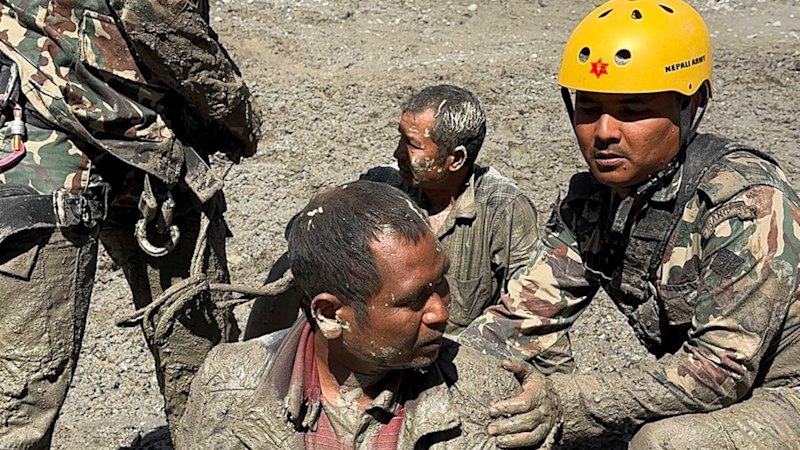
When the tunnels flood, the media shifts focus to the heroic rescue operations. We watch images of crews drilling, pumping, and praying.
Imagine a scenario where we stopped treating these rescue efforts as inevitable tragedies and started viewing them as direct indictments of poor facility architecture.
A subterranean workplace in a high-risk flood zone requires fail-safe redundancy. If your workers can be trapped by rising water within minutes, your drainage architecture is fundamentally broken. Relying on external emergency response teams to dig out personnel after a breach means the system has already suffered a catastrophic failure of imagination.
The hard truth is that many of these projects are rushed through bureaucratic approval pipelines to meet aggressive regional energy targets. When capital expenditure focuses on maximizing generation capacity while trimming safety margins on auxiliary drainage and pressure release valves, disaster is not a matter of if. It is a matter of scheduling.
The Cost Of Our Energy Blindspot
Nepal needs power. Developing nations cannot be expected to leave rivers unharnessed while their populations demand modern electrification. That is a patronizing view held by people who do not live through rolling blackouts.
However, the pursuit of green energy does not grant immunity from engineering reality. Hydropower is marketed as a clean, continuous alternative to fossil fuels, but its physical footprint is massive and unforgiving.
If we continue to build linear infrastructure deep inside active river valleys without upgrading geological risk parameters, we are simply trading carbon emissions for human lives.
The accountability model must shift. We must stop letting project developers hide behind the shield of climate variability. Every time an operational tunnel fills with floodwaters, regulators should investigate the facility design, not just the rainfall charts.
Stop asking how much rain fell. Start asking why the escape hatches were underwater before the sirens even finished sounding.