Whenever the weather turns weird, journalists reach for the same old security blanket. Record rainfall in Tokyo or wildflowers bursting through the Atacama Desert dust? Cue the dramatic music. The media points a collective finger at El Nino, nods gravely, and treats a complex oceanic oscillation like a cosmic excuse for everything meteorological. It is a lazy narrative designed for quick clicks rather than scientific accuracy.
I spent a decade analyzing climate anomalies for a major commodities desk, watching analysts panic-buy futures every time surface temperatures in the equatorial Pacific ticked up a fraction of a degree. They treat El Nino like an all-powerful weather deity. It is not. It is a single gear in an enormous, chaotic planetary machine, and blaming it for localized meteorological extremes ignores local topography, urban heat islands, and decades of shifting land use.
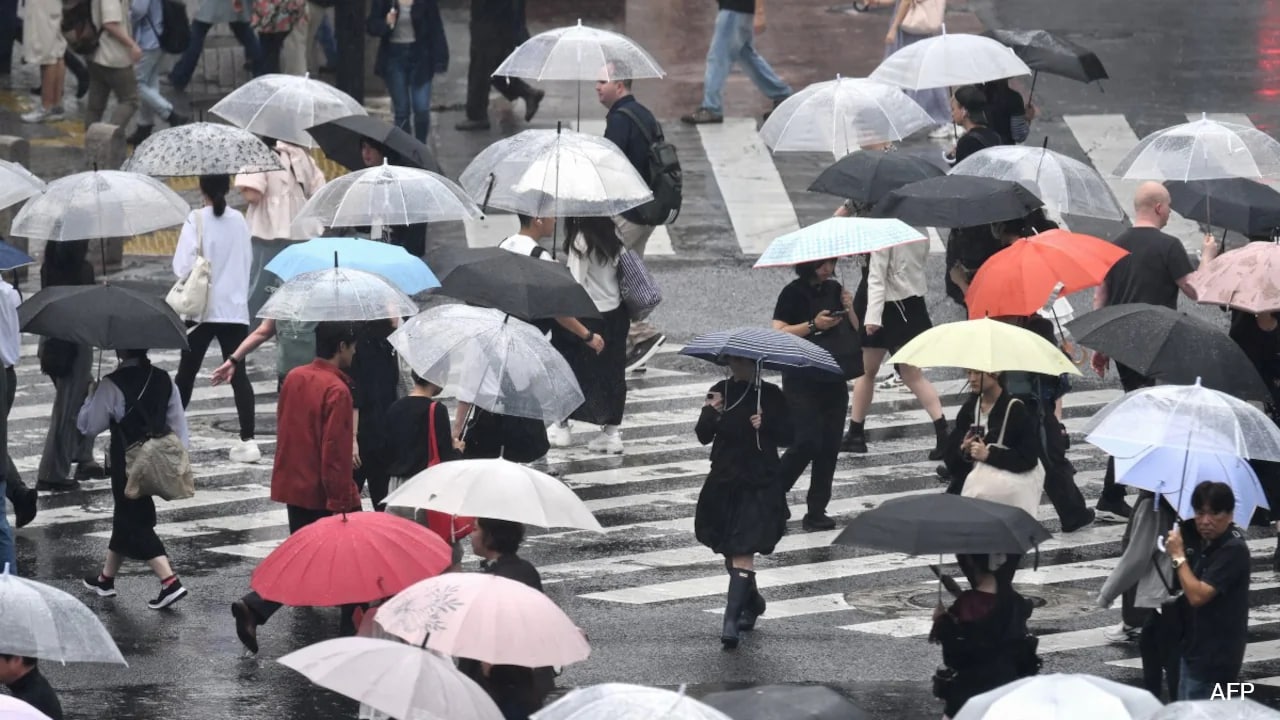
Take Tokyo. When torrential downpours swamp the capital, headline writers instantly blame Pacific warming. They omit the reality of modern concrete sprawl. Tokyo is an urban furnace. Concrete traps heat, alters local wind shear, and turns ordinary low-pressure systems into localized deluges. Blaming El Nino for a flash flood in Shinjuku is like blaming the moon for a car crash on the freeway. It happened during a lunar cycle, sure, but the driver was texting.
Then there is the Atacama Desert bloom. The popular myth states that El Nino floods the driest place on Earth with rain, causing dormant seeds to erupt into purple and yellow carpets. The reality is far more specific and far less cinematic than the breathless travel features suggest. Desert blooms require precise rainfall thresholds delivered at exact intervals during the southern winter, combined with fog patterns driven by coastal Humboldt Current anomalies that operate independently of major equatorial warming events. Attributing a desert superbloom entirely to El Nino is an insult to regional microclimates.
The lazy consensus relies on broad correlations while ignoring causal mechanisms. When El Nino Southern Oscillation indices shift, global weather patterns feel the nudge, but a nudge is not a command. Jet streams warp, pressure systems stall, and regional topography acts as a multiplier or a shield. If a mountain range blocks moisture-laden air, no amount of Pacific warming will drop rain on the leeward side. Ignoring these physical barriers in favor of a global catch-all term is bad journalism masquerading as analysis.
Markets fall for this trap constantly. Agricultural cartels and energy traders adjust billions in capital based on seasonal El Nino forecasts that treat continents as uniform targets. They expect droughts in Australia and floods in Peru, forgetting that weather operates on chaos theory. When a localized drought hits a region that El Nino was supposed to drench, traders lose fortunes because they trusted a weather pattern headline instead of local soil moisture data and radar telemetry.
The truth is messier than a neat three-paragraph explainer about equatorial currents. Atmospheric rivers, localized deforestation, aerosol pollution, and stubborn blocking highs play massive roles in extreme weather events. When we reduce every climate anomaly to a single acronym, we dull our ability to prepare for actual systemic shifts.
Stop looking across the Pacific for every weather quirk outside your window. The sky above you is responding to local realities, immediate geography, and human alterations to the landscape. El Nino sets a baseline probability, but local conditions write the script.
Next time a headline warns you that global warming cycles are rewriting your local forecast, check the radar before you panic. The storm rolling down your street probably has very little to do with the trade winds off Peru.