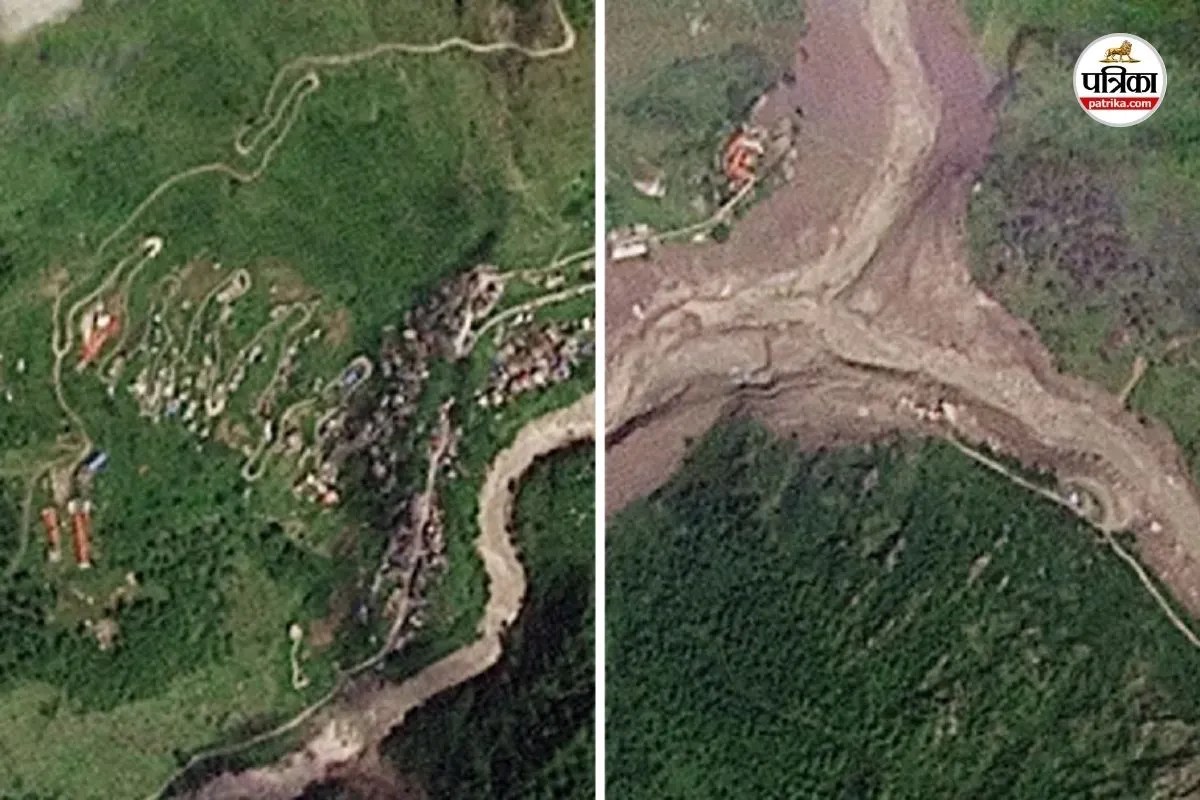
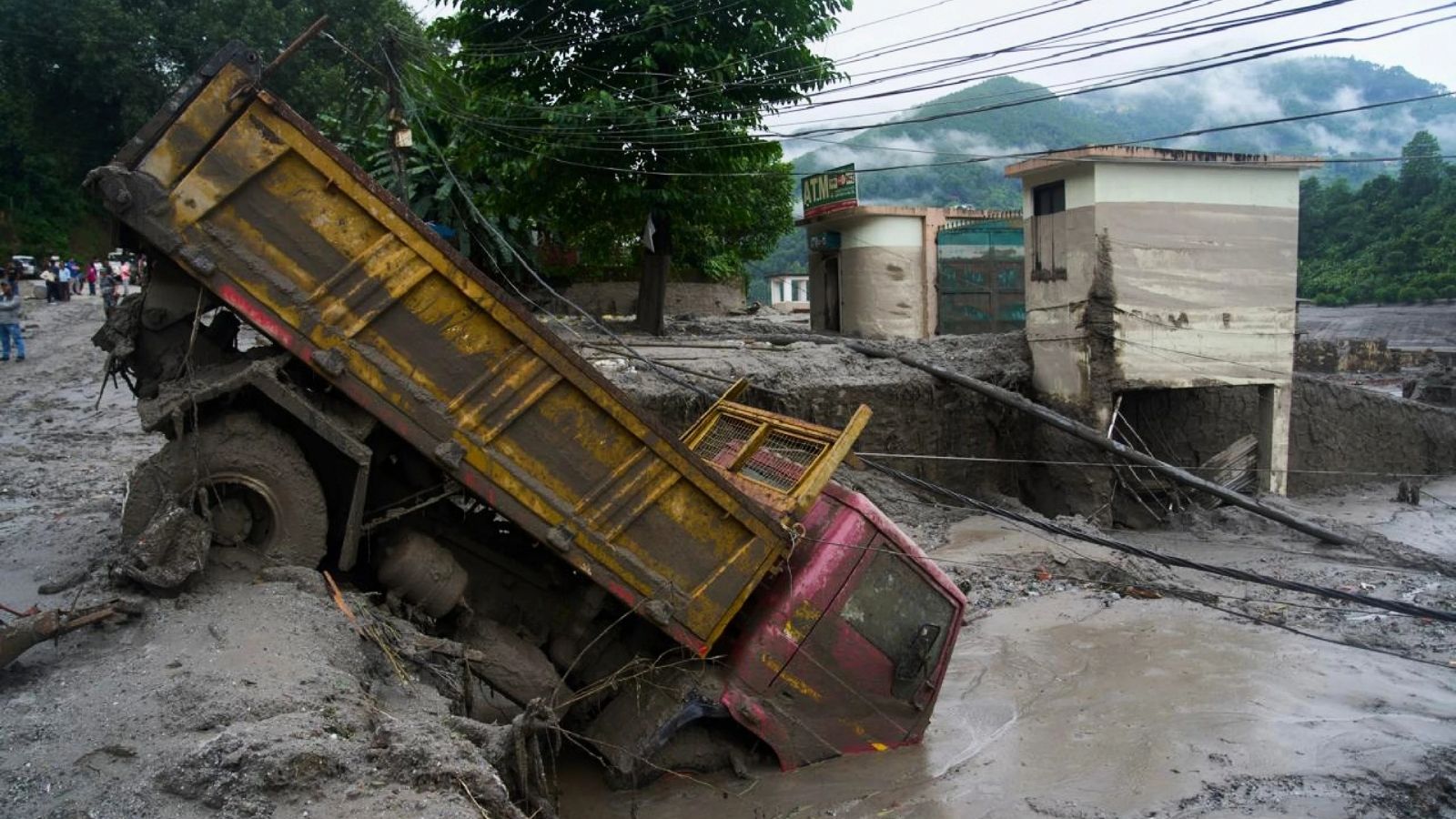
Every monsoon season, the headlines write themselves. A cloudburst hits the Hindu Kush Himalaya, a river swells, mud swallows a village, and the media wheels out the exact same tired narrative. We get sweeping pieces about melting glaciers, runaway climate change, and an inevitable apocalypse descending from the roof of the world.
It is neat. It is tidy. And it is fundamentally wrong.
I have spent years consulting on high-altitude hydrology and infrastructure projects across South Asia. I have watched millions of dollars in international aid get funneled into panic-driven climate adaptation funds while basic civil engineering gets ignored. The lazy consensus blames rising global temperatures for every torrent of water tearing through the valleys of Nepal. But pointing the finger exclusively at a warming planet lets corrupt local bureaucrats, incompetent municipal planners, and short-sighted developers off the hook.
The crisis in the Himalayas is not just an atmospheric problem. It is a structural one.
The Glacier Myth
Let us clear up the physics immediately. Most catastrophic floods in Nepal during the monsoon do not originate from melting glacier ice. Glaciers melt slowly over decades and centuries. They respond to long-term temperature anomalies with gradual volume shifts, not sudden mid-summer liquid explosions.
When a glacial lake outburst flood does happen, it is dramatic, yes. But statistically, glacial lake outbursts account for a tiny fraction of the destruction washing away Nepali towns. The real culprit is the cloudburst—a concentrated, violent dump of rain driven by regional monsoonal dynamics interacting with complex topography.
Blaming glaciers is a convenient shield. It shifts responsibility away from the human hands driving excavators into fragile riverbeds. When an entire hillside gives way, the media loves to talk about retreating ice. They rarely talk about the unpermitted sand mining operations chewing away at the base of the slope to feed the concrete boom in Kathmandu.
The Concrete Curse
Imagine a scenario where every riverbank in a fragile mountain ecosystem is treated like a real estate development opportunity. You do not need to imagine it; just look at the banks of the Bagmati or the Trishuli.
Over the past two decades, road construction in the hills has exploded. Local politicians love roads because asphalt buys votes. But the engineering standards applied to these mountain tracks are medieval. Unstable cut-and-fill methods dump loose debris directly onto steep slopes. The first heavy monsoon rain turns that loose spoil into a slurry of fast-moving mudflows.
We are manufacturing our own disasters. We crowd the natural floodplains with permanent structures because land is scarce, and then act surprised when the river reclaims the space it has occupied for ten thousand years. Rivers do not overflow because they are angry at carbon emissions. They overflow because we narrowed their channels, built concrete walls that accelerate water velocity, and blocked every natural drainage path.
The Cost of Panic
International organizations love to fund vulnerability assessments and high-level climate summits. Millions flow into conferences in Geneva and Bangkok. Very little of that money trickles down to build gabion walls that can actually survive a seasonal flash flood, or to install low-cost, community-managed telemetry sensors on high-risk streams.
When you frame every regional flood as an unstoppable planetary crisis, you paralyze local agency. If climate change is the sole driver, what can a village chairman in Manang possibly do? Nothing, right? So they sit back and wait for international aid that arrives too late or not at all.
That is the danger of the mainstream narrative. It breeds fatalism. It replaces rigorous geological risk mapping with vague hand-wringing about the global carbon cycle.
What We Should Be Doing Instead
If we want to stop burying people under tons of Himalayan mud, we have to drop the climate excuse and embrace hard-nosed infrastructure reform.
- Ban unregulated extraction: Enforce strict moratoria on aggregate mining within active river channels. The sand grabbers are digging the graves of the towns downstream.
- Rethink mountain roads: Transition from cheap, destructive cut-and-fill road building to tunnel-and-bridge engineering that respects slope stability.
- Restore flood corridors: Stop giving permits for permanent commercial construction within historical high-water marks. Let the rivers breathe.
- Decentralize early warning: Stop relying on top-down satellite alerts that take hours to reach remote valleys. Invest in community-led, low-tech river gauges and sirens.
The mountains are changing, yes. They have been rising and eroding for fifty million years. They do not care about our carbon targets or our journalistic tropes. Until we fix our engineering, our governance, and our addiction to cheap concrete, the next flood will not be a natural disaster. It will be a man-made execution.