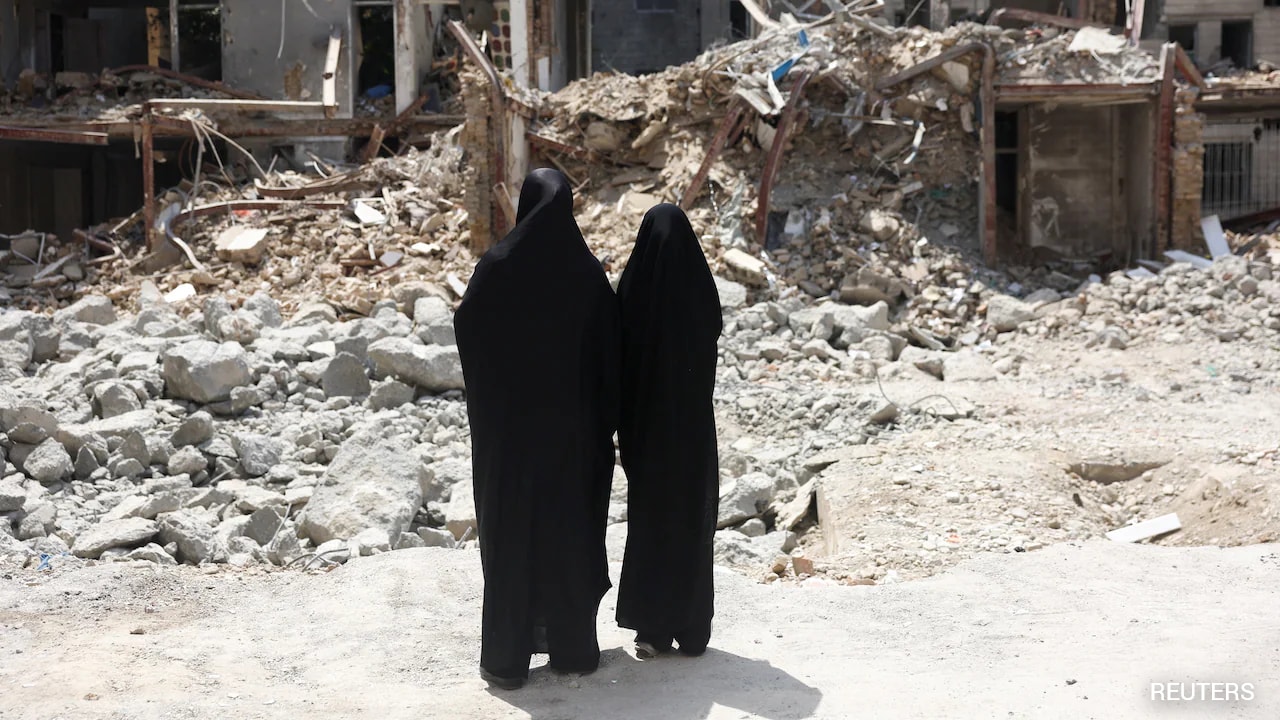
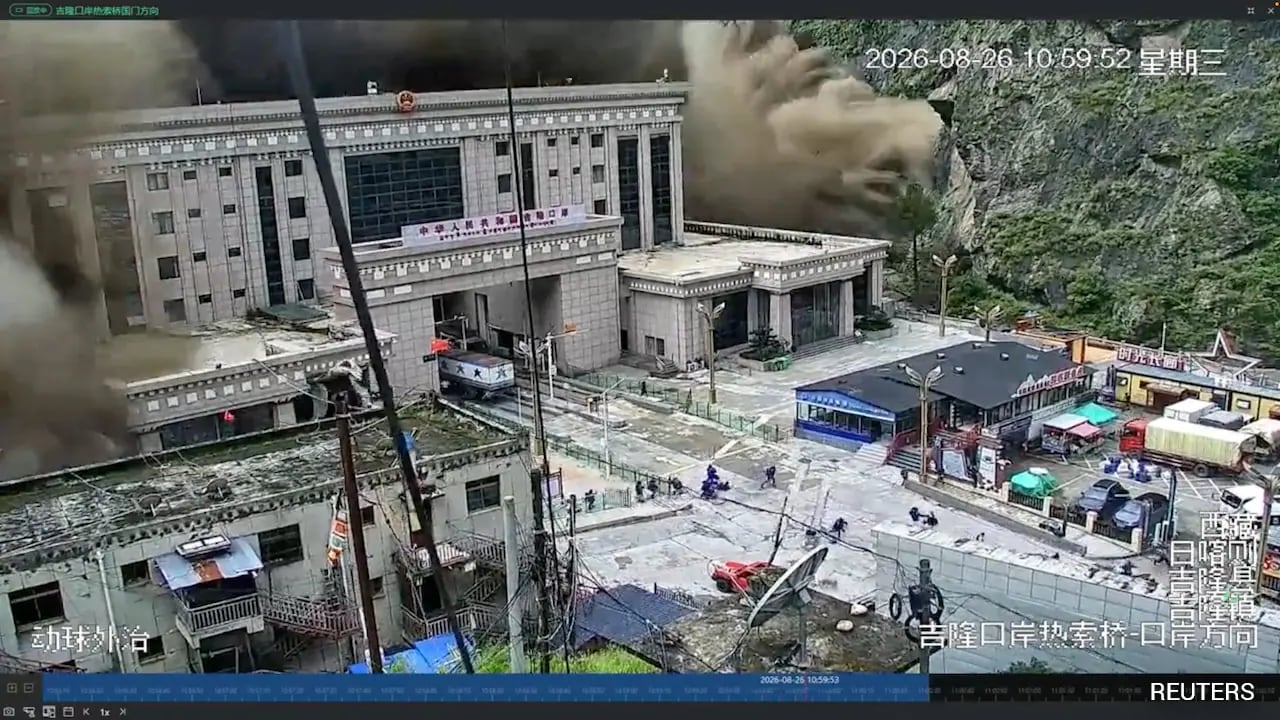
We love our natural disasters clean and cinematic. A sudden cloudburst, a catastrophic wall of water, a tragic death toll clearing the four-hundred-seventy mark, and a looming barrier lake threatening secondary destruction. It makes for good television and easy headlines. It also lets every regional bureaucrat off the hook.
Every time a glacial lake outburst flood or a monsoon disaster tears through the Himalayas, the default narrative rolls out on autopilot. We hear about unseasonal rains, fragile mountain ecosystems, and the wrath of an unpredictable climate.
Stop buying the excuse.
Mother Nature did not design the engineering failures turning standard monsoons into regional human body counts. The disaster unfolding across the Nepal-Tibet border region is not an act of God. It is the predictable invoice of decades of political neglect, reckless infrastructure placement, and institutional cowardice wrapped in high-altitude geography.
The Geography of Institutional Failure
Let us look past the sensational casualty numbers for a moment and examine the mechanics of how these barrier lakes actually form and burst. When a glacier retreats, it leaves behind a moraine dam—essentially a messy wall of loose rock, gravel, and ice debris holding back millions of cubic meters of meltwater.
These natural dams are notoriously unstable. Geologists have mapped them for decades. We know precisely which ones are ticking time bombs. Yet, local governments treat them like background scenery until the wall collapses and wipes out downstream settlements.
The lazy consensus claims that monitoring these high-altitude lakes is impossible due to harsh terrain. That is a flat-out lie. We have satellite telemetry, automated radar sensors, and drone surveillance that can track water volume shifts down to the liter. The technology exists. The political will to fund cross-border early warning systems that actually function before midnight does not.
When a barrier lake threatens, the failure happens months or years prior in municipal planning offices. Planners approve roads cut directly into unstable toe slopes. They zone permanent human habitation in historic alluvial fans. Then, when the inevitable surge hits, they point at the clouds and shrug.
Why Transboundary Bureaucracy Keeps People Drowning
If you want to understand why four hundred seventy plus people died in a disaster spanning the Nepal-Tibet corridor, look at the map through the lens of political friction, not just topography.
Water does not care about national borders, but emergency response protocols treat international boundaries like brick walls. Tibet sits upstream within a heavily militarized, hyper-regulated infrastructure zone. Nepal sits downstream, dealing with the terminal velocity of decisions made miles away and thousands of feet higher up, often with zero real-time data sharing between Beijing and Kathmandu.
Imagine a scenario where a high-altitude monitoring sensor in the autonomous region registers a critical pressure breach in a moraine wall. Does an alert instantly flash on the cell phones of villagers sleeping in the river valleys below?
Spoiler alert: No.
By the time diplomatic channels clear, bureaucratic permissions shake out, and official communiques travel down the chain of command, the wave has already arrived. We have engineered a global telecommunications network capable of streaming ultra-high-definition video from Mars, yet we still rely on archaic bureaucratic ping-pong to warn villagers that a wall of mud is hurtling down a gorge.
This is where expertise matters. I have spent years analyzing cross-border disaster response frameworks in high-risk zones, and the bottleneck is never technical. It is organizational ego and administrative paralysis.
The Myth of the Unstoppable Force
Let us address the most common defense offered by apologists for regional disaster management: "Extreme weather events are getting worse, so what can anyone do?"
This fatalism is dangerous. It assumes human vulnerability is a fixed constant. It is not.
Vulnerability is manufactured. It is built out of cheap concrete, ignored zoning laws, and a complete absence of downstream evacuation infrastructure. When a barrier lake breaches, the water is destructive, sure. But the death toll is a direct metric of human preparation or the total lack thereof.
Consider how other high-risk regions handle similar threats. In parts of the Alps and the Andes, engineers actively siphon hazardous glacial lakes, construct drainage tunnels through bedrock, and install massive acoustic warning systems linked directly to automated sirens. It costs money. It requires maintenance. It demands cross-border cooperation even when geopolitical tensions run high.
In the Himalayas, we wait for bodies to float downstream before mobilizing task forces. We treat disaster mitigation as a retroactive PR exercise rather than a proactive engineering mandate.
Dismantling the Relief Industry Complex
Every time a major flood hits the region, a predictable script unfolds. The emergency declarations go live. International aid organizations scramble for airtime. Pledges of millions roll in.
And then everyone forgets until the next wall of water breaches.
We pour money into reactive relief while starving proactive prevention. It is a terrible allocation of resources driven by emotional media coverage rather than hard-nosed risk assessment. Handing out blankets after a village is swept away makes for great photos. Building reinforced concrete diversion channels and relocating homes out of high-risk flood paths is boring, expensive, and politically thankless.
Until regional authorities shift their budgets from post-disaster body counts to pre-disaster civil engineering, the death tolls will keep climbing, no matter how many times meteorologists blame the monsoon season.
The mountain is not your enemy. Human incompetence is. Fix the bureaucracy or clear out of the valleys.