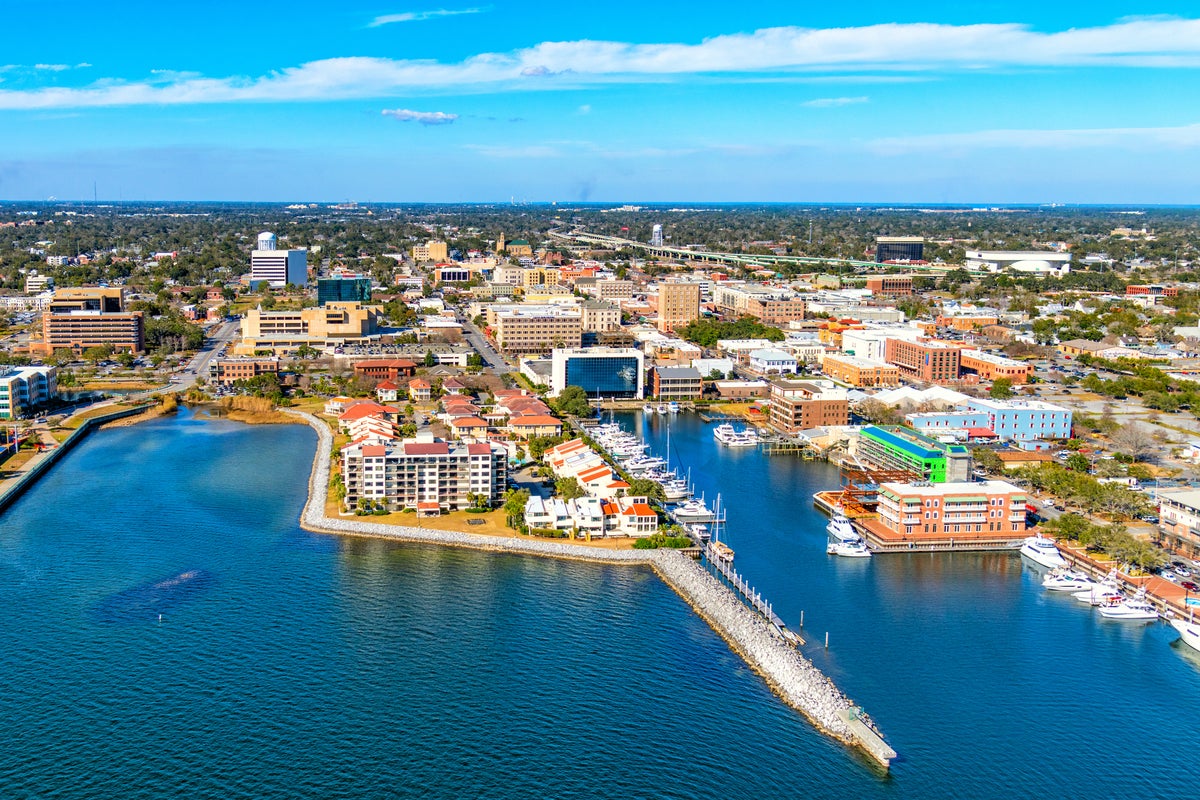
The media script after any holiday weekend tragedy is as predictable as it is lazy. A crowd gathers, gunfire erupts, one person dies, several are injured, and the immediate consensus pivots to policing "unaccompanied youth." We saw it again on July 4 in Florida. The narrative thickens around curfew crackdowns, parental failure, and the supposed inherent volatility of hundreds of teenagers gathering in public spaces.
This diagnosis is completely wrong.
By hyper-focusing on the demographic of the crowd rather than the infrastructure of the space, municipal leaders are wasting millions on reactive policing strategies that do absolutely nothing to stop the next outbreak of violence. I have spent fifteen years analyzing urban crowd dynamics and public safety data, and the reality is stark: large youth gatherings are not a ticking time bomb. They are a predictable, permanent fixture of urban life that cities systematically fail to manage through catastrophic environmental design.
We need to stop trying to banish teenagers from public squares and start dismantling the operational failures that turn peaceful assemblies into tactical nightmares.
The Myth of the Volatile Teen Crowd
Mainstream reporting loves to weaponize the phrase "hundreds of unaccompanied youth" to evoke images of lawless chaos. It is a dog whistle that shields city planners and law enforcement from their own operational incompetence.
When a shooting occurs at a crowded beach, boardwalk, or strip mall on a holiday, the issue is rarely a sudden, collective descent into madness by a generation of kids. The issue is acute situational friction.
Data from urban sociology studies consistently shows that crowd violence is heavily correlated with environmental stressors:
- Bottlenecking: Poorly managed pedestrian traffic that forces rival groups into inescapable physical contact.
- Zero De-escalation Zones: A total lack of designated spaces where individuals can willingly separate themselves from high-tension interactions.
- Over-Policing Entrapment: Visual police presence that relies on intimidation rather than active, fluid crowd facilitation, which paradoxically spikes anxiety and aggression levels within a crowd.
When you pack hundreds of people into a poorly lit, restricted space with zero exit strategies and high ambient temperatures, a flashpoint is inevitable. It does not matter if the crowd is comprised of seventeen-year-olds or forty-year-old sports fans. The geography dictates the outcome. Yet, city councils consistently double down on youth curfews—a policy tool that over three decades of criminological data has proven to have zero net impact on violent crime rates.
The High Cost of the Reactive Policing Playbook
Imagine a scenario where a city spends $500,000 on overtime pay for a holiday weekend to deploy riot police at a local pier. The police set up barricades, search bags, and project an aura of total occupation.
What happens? The crowd does not disperse; it shifts. It moves three blocks over into an area with less lighting, fewer cameras, and zero municipal oversight. When a conflict inevitably breaks out there, response times are delayed because the heavily armored assets are locked down at the original perimeter.
I have watched mayors tank municipal budgets on these theatrical displays of force, only to scratch their heads when the crime statistics remain completely flat.
The standard approach relies on a deeply flawed premise: that visible authority deters impulsive, firearm-related violence. It doesn't. A teenager carrying an illegal weapon into a crowd is not looking at a police cruiser two blocks away and weighing the geopolitical consequences of their actions. They are operating in a hyper-localized, emotional vacuum.
If you want to disrupt that vacuum, you do not use a shield wall. You use environmental design.
How to Actually Manage High-Density Public Spaces
If we want to stop holiday shootings, we have to stop treating public gatherings as riots-in-waiting and start treating them as complex logistics problems. The solutions are not glamorous, they do not make for great campaign slogans, and they require abandoning the lazy assumption that youth presence equals criminality.
1. Dynamic Space Micro-Zoning
Instead of allowing a crowd of a thousand people to form a single, massive, unmanageable mass, cities must use temporary architectural elements to break spaces down into micro-zones. This means utilizing food trucks, public seating, art installations, and lighting grids to naturally fragment a crowd into smaller, self-policing clusters. Smaller groups lower the collective anonymity that fuels mob mentalities.
2. Ambient De-Escalation and Lighting Mechanics
Most holiday shootings occur at dusk or during the night in areas where municipal lighting is either blindingly harsh or non-existent. Both extremes are dangerous. High-intensity floodlights signal an active conflict zone, raising adrenaline. Darkness provides cover for weapon concealment. The fix is high-uniformity, warm ambient lighting that eliminates shadows without creating a high-stress interrogation environment.
3. Acoustic Disruption
Large crowds generate a wall of sound that masks the early verbal stages of a physical altercation. If bystanders cannot hear a dispute escalating, they cannot move away, creating a dense human shield around the antagonists. Strategic placement of directional acoustic dampening or even low-tempo, ambient public audio completely changes how sound travels in an open space, allowing natural crowd self-preservation instincts to kick in early.
The Inconvenient Truth About Public Safety
The main drawback to this approach is that it requires hard work, long-term planning, and a willingness to accept that young people have a right to occupy public property. It forces city administrators to admit that their current infrastructure is obsolete. It is far easier to blame "unaccompanied minors" and pass a curfew ordinance that looks good on the evening news than it is to re-engineer a city waterfront.
We are actively choosing a cycle of predictable tragedy and useless political theater because we are terrified of treating teenagers as citizens instead of liabilities.
Stop hunting for scapegoats in the demographic data. The blood on the pavement is a direct result of broken urban mechanics, and until we fix the space, the violence will continue to find a way in.