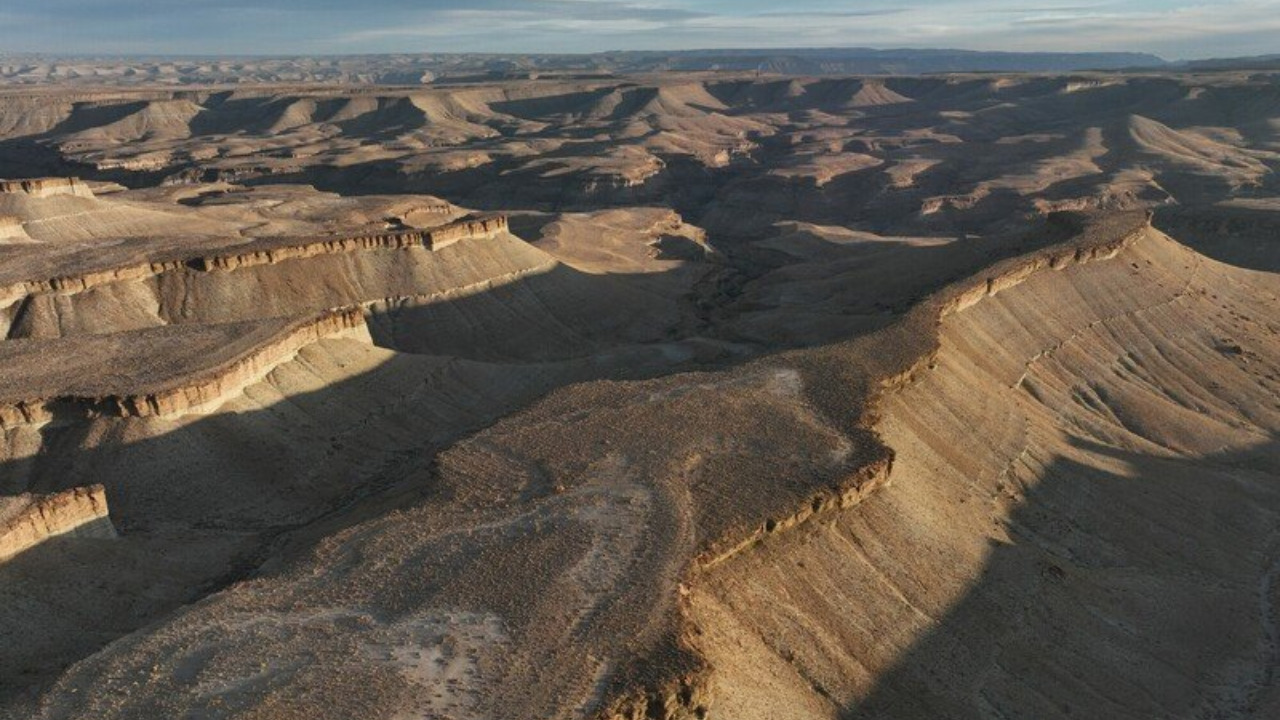
The modern push for American energy dominance runs straight through a sandstone gorge in eastern Utah, where federal regulators recently greenlit a 5.3-mile road-expansion project designed to rush heavy crude oil out of the Uinta Basin. Authorized by the Bureau of Land Management, the plan targets Gate Canyon—a steep, winding artery feeding into Nine Mile Canyon, widely recognized as one of North America's densest repositories of prehistoric indigenous art.
This federal approval triggered a swift and aggressive federal lawsuit filed in October by a coalition of conservation groups, including the Southern Utah Wilderness Alliance and the Center for Biological Diversity. The core dispute centers on a hard truth of modern industrial logistics. Extracting waxy crude from remote basins requires heavy transportation corridors, and local authorities have spent over a decade attempting to convert narrow, hazardous backcountry dirt tracks into high-speed industrial highways.
To understand why this specific 5.3-mile stretch of the Utah oil road plan has ignited a fierce legal battle, you have to look at what stands directly in the path of the proposed heavy machinery. Federal surveys and legal filings indicate that the construction will threaten 47 distinct historic sites. These are not abstract coordinates on a map. They include priceless rock art panels carved by the Fremont people between 400 and 1300 AD, historic inscriptions left by 19th-century pioneers using axle grease, and stone carvings made by the U.S. Army's 9th Cavalry Buffalo Soldiers who patrolled and mapped the region in 1886.
The mechanics of the upgrade reveal why historians and conservationists are alarmed. Local infrastructure planners intend to blast through 100-foot sandstone canyon walls, straighten sharp curves, and dump close to 200 feet of heavy fill into delicate canyon bottoms to stabilize a wide, asphalted roadbed. The objective is clear: allow massive, heated 70-foot oil tankers to barrel through the gorge at speeds up to 60 miles per hour, moving crude from isolated extraction fields down to rail lines along the Price River and Interstate 70. Projections suggest this could introduce up to 1,000 heavy vehicle movements per day, effectively transforming a fragile cultural sanctuary into an industrial freight corridor.
Critics of the project have summarized the cultural risk with blunt phrasing, noting that altering Nine Mile Canyon for heavy trucking resembles running an industrial freight thoroughfare directly through the interior of the Louvre Museum. Yet the county and industrial advocates view the matter through an entirely different economic lens. Landlocked basins in eastern Utah sit atop immense energy reserves, but moving that product to lucrative refining markets has historically been bottlenecked by inadequate geography. For regional governments and oil producers, bypassing these transport hurdles is treated as an economic imperative necessary to maintain output and regional jobs.
The legal strategy deployed against the Bureau of Land Management focuses heavily on procedural shortcuts. Previous iterations of this road-paving push—submitted in 2015 and 2012—stalled out entirely due to massive public resistance and exhaustive environmental scrutiny. When Duchesne County pursued the project again, the federal approval process moved with unusual speed. According to the lawsuit filed in the U.S. District Court for the District of Utah, the agency bypassed standard public notification windows, posting minimal project details in early 2026 and authorizing the construction plan weeks later before local communities or concerned citizens could mount a substantive defense.
By sidestepping standard public comment periods, the agency allegedly violated the National Environmental Policy Act, the National Historic Preservation Act, and the Endangered Species Act. The latter violation points to another critical dimension of the conflict: the canyon floor and surrounding cliffs provide vital habitat for vulnerable regional wildlife, including the threatened Mexican spotted owl. Environmental attorneys argue that rushing administrative approvals to favor short-term energy extraction violates the foundational guardrails established to protect public lands from irreversible industrial damage.
Federal defenders of the project find themselves caught between competing executive priorities. The broader push from Washington to maximize domestic energy production and streamline federal permitting has created intense internal pressure on land management agencies to favor extraction infrastructure over conservation. Yet placing industrial transport routes directly through archaeological districts creates a direct collision course with federal preservation statutes that have protected public cultural heritage for decades.
As the litigation moves through the federal court system, the immediate outcome remains uncertain. Judges will have to weigh claims of administrative bypassing and cultural endangerment against the pressing economic demands of regional energy transit. For now, the heavy equipment waits at the edge of the canyon, and the ancient stone walls carved by generations of human hands remain vulnerable to the next wave of industrial expansion.