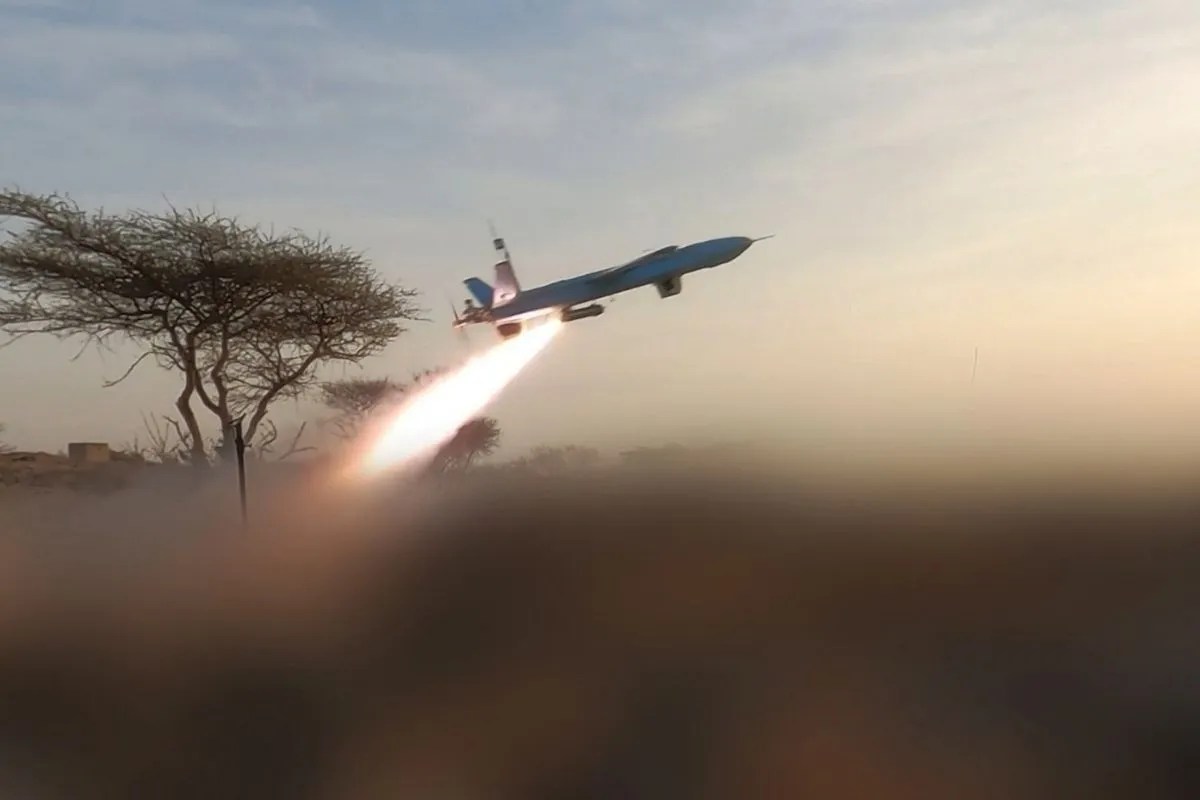
The map makes it look so clean. A thin black line on a piece of paper, a surveyor's promise that here one country stops and another begins. But lines drawn with ink on a desk do not account for the weight of a footstep, the smell of damp asphalt in the early morning, or the precise moment a piece of screaming metal decides that geography is meaningless.
At the Palanca border crossing, where Ukraine meets Moldova, the line used to be defined by a white-striped gate, a bored guard checking passports, and the quiet idling of truck engines. It was a place of transit. People crossed it to buy groceries, to visit cousins who lived thirty minutes down the road, to escape the tightening coil of an air raid siren just a few miles inland. For months, it functioned as a fragile valve, letting families bleed out of danger and into safety.
Then came the night when the sky stopped being a ceiling and became a weapon.
Let us speak plainly about what happens when physics collides with policy. A drone does not care about international law. It does not pause at customs to verify whether it is currently hovering over sovereign territory that belongs to Kyiv or Chisinau. It runs on fuel and code, guided by a hand hundreds of miles away that sees the world only as green pixels on a monitor.
When the strike hit the border zone, it did not produce the neat, sterile explosions you see in cinematic trailers. It produced fire, shrapnel, and chaos. Two lives were extinguished right there on the pavement—two human beings who woke up that morning with mundane intentions, perhaps planning what to cook for dinner or worrying about a late delivery, only to become footnotes in a daily casualty report read by strangers over morning coffee.
Consider the geography of vulnerability. Small nations like Moldova live in the gravitational pull of a giant's war. Every time a missile wanders off course or a loitering munition drops out of the sky, a neighboring country holds its collective breath. You do not need to be a military strategist to understand the profound terror of collateral damage. You just need to stand on a porch twenty miles from a frontier and listen to the dull, heavy thud of an impact that was never meant for you, yet found you anyway.
Authorities confirmed the deaths with the sterile language of bureaucracy. Two fatalities at the crossing. It is a sentence designed to be digested quickly and forgotten before the next news alert pops up on the screen. But behind those words are empty chairs, unfinished conversations, and the sharp, jagged grief that settles over a family when a loved one leaves the house and simply vanishes from the earth.
Borders are supposed to protect us. They are architectural manifestations of safety, demarcating the space where the rules of your community apply. When those borders become zones of kinetic destruction, the psychological contract between the citizen and the state fractures. If a border crossing—a place guarded, monitored, and legally neutral—is no longer safe, then where is?
The smoke cleared from Palanca hours later, leaving behind scorched asphalt and the frantic scurry of emergency workers picking through debris. Traffic was diverted. Statements were issued condemning the violence. The diplomatic cables hummed with tight, frustrated prose.
Yet out on the road, past the police tape and the television cameras, the wind still sweeps across the flat fields that straddle the two nations. The black line on the map remains, unchanged and indifferent, while the people who live beside it are left to wonder how close the next sky-borne visitor will fall.