Most kidney stories start with a blood test and end with a waiting list. This one started with a geometry teacher looking exhausted after work.
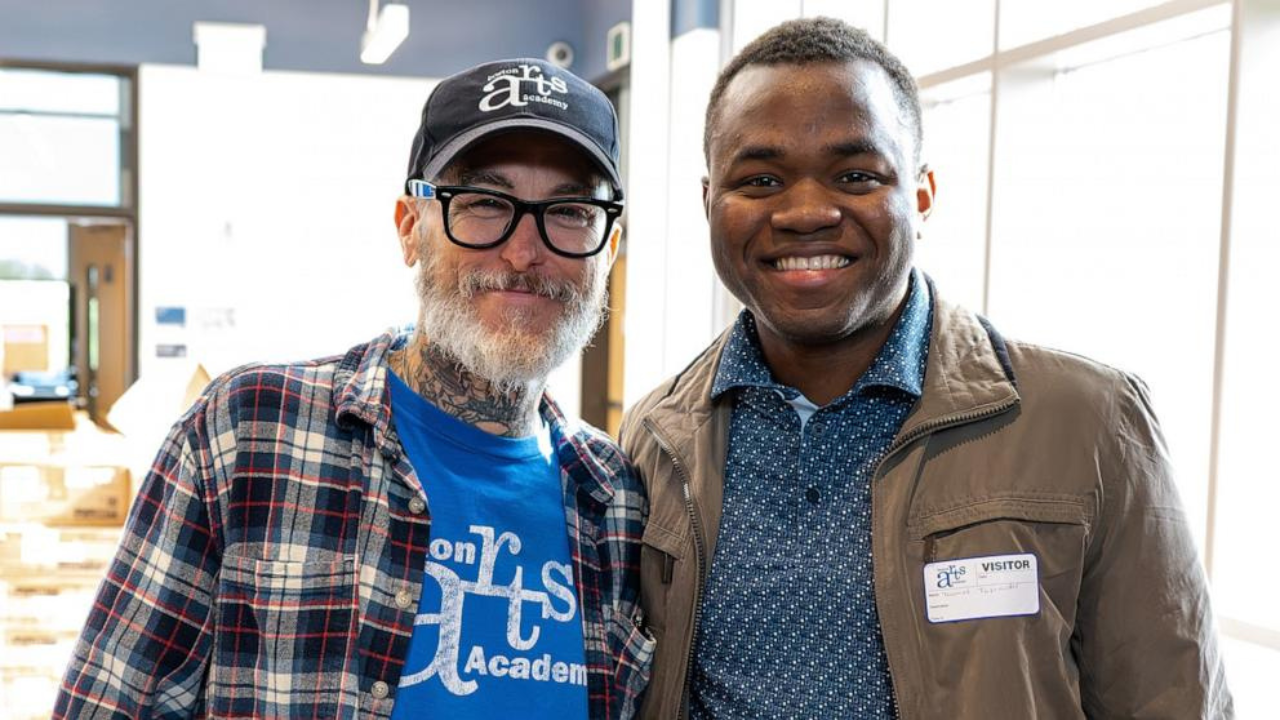
At Boston Arts Academy, night custodian Andrew Allen saw his colleague Tom Thermidor carrying a heavy weight. Tom's younger brother, also named Thomas, had been hit with stage 5 kidney failure at just 21 while studying at Babson College, and both of his older brothers had already been ruled out as living donors. That same night, Allen went home, read up on living kidney donation, and applied to Massachusetts General Hospital's program. If you liked this article, you should read: this related article.
Here's the twist that trips people up. Allen wasn't a direct blood match for Thomas.
Instead of walking away, Allen stepped into a paired kidney exchange. He donated his kidney to another patient in need in June 2025, which helped move Thomas forward in the swap chain so Thomas could receive a compatible kidney from an anonymous donor two months later. More than a year out, both men are doing well, Thomas has graduated from Babson and joined Mass General Brigham, and Allen was honored with an unsung hero award. For another look on this development, see the latest coverage from WebMD.
How A Kidney Swap Turns A Dead End Into A Transplant
When someone steps up to donate a kidney to a loved one or a coworker's brother, blood type and tissue crossmatches often get in the way. If a recipient's antibodies react against a donor's cells, a direct transplant carries a high risk of rejection. That used to be a hard stop for a lot of willing donors.
Paired kidney exchange changes the math. According to Johns Hopkins Medicine, roughly 45% of incompatible donor-recipient pairs can find a compatible match through a paired exchange program. One donor gives to a stranger whose body accepts that kidney, while another donor gives to the first donor's intended recipient. Sometimes it's a two-pair swap. Sometimes it's a longer chain that unlocks multiple transplants at once.
You don't have to be a biological match to start a chain reaction that saves someone's life.
Wait—it sounds almost too neat on paper, right? In real life, matching isn't instant. Johns Hopkins Medicine notes that finding a match in an exchange can take anywhere from one month to two years depending on blood type, antibody levels, and pool size. Surgeries might happen on the same day or weeks apart across different hospitals, and kidneys can be safely kept in preservation fluid for up to eight hours when needed.
Why Living Donation Carries Real Stakes And Real Upside
Let's be honest about what living donation actually is. It's major surgery on a healthy person. You don't casually sign up for it between errands, and you shouldn't treat it like donating blood.
According to United Network for Organ Sharing (UNOS), 7,237 people became living organ donors in the U.S. in 2025, while more than 90,000 Americans remained on the kidney waiting list. That gap is massive. Dialysis keeps people alive, sure, but it's grueling and doesn't match the long-term survival or quality of life of a successful transplant.
From a clinical standpoint, living donor kidneys generally function immediately after transplant and tend to last longer than many deceased-donor kidneys, largely because the donor is thoroughly screened and the organ spends minimal time out of a body. Still, donors face surgical risks like bleeding, infection, pain, and a small long-term risk of kidney issues down the road. Honestly, that's why transplant centers put prospective donors through exhaustive medical and psychological evaluations—they want to make sure you're healthy enough and genuinely ready before a scalpel ever comes out.
What Most People Miss About Workplace Bonds And Quiet Heroes
Stories like Andrew Allen's tend to get wrapped in neat little bows. People call him a saint or a hero, and Allen himself pushed back on that, saying he's just a regular guy and anybody can do it.
I lean toward believing him—not because donating a kidney is easy, because it isn't, but because ordinary proximity matters more than people admit. Allen worked nights at the same school as Tom Thermidor. They crossed paths at work, built a real rapport, and when Tom looked down, Allen asked what was going on. School custodians, cafeteria workers, bus drivers, and support staff spend hours every week around teachers and students without getting headlines. When one of them steps up, it reminds you that community isn't abstract. It lives in hallway check-ins.
At the same time, let's not romanticize medical luck. Getting diagnosed with stage 5 kidney failure at 21—after thinking headaches and chest pains might just be a routine illness—is terrifying. Not every family has a willing coworker nearby, and not every incompatible pair gets matched quickly. Paired exchange helps bridge a huge gap, yet systemic shortages and health disparities still shape who gets a kidney and how fast.
Practical Steps If You Are Thinking About Living Donation
If reading about a paired swap sparked something in you, don't rush into a decision or rely on social media rumors. Take grounded, practical steps first:
- Talk to a real transplant center, not a random blog. Look up an accredited program through UNOS or the National Kidney Foundation to read unbiased medical criteria, age and health guidelines, and evaluation steps.
- Ask about financial and work protections. Living donors can face lost wages, travel costs, and recovery time. Ask a transplant coordinator about donor advocacy programs, leave policies, and reimbursement options before committing.
- Check your own health baseline. Uncontrolled high blood pressure, diabetes, or certain kidney issues can rule out donation, which is part of keeping you safe long term.
- Support the broader system if surgery isn't right for you. You can register as an organ donor, share accurate information about paired exchanges, or support patients navigating dialysis and transplant waitlists.