He did not notice the mist at first.
It was a sweltering July afternoon on Manhattan's Upper East Side, the kind of day where the heat radiates from the asphalt in visible waves, making the air feel thick enough to chew. David, a retired public school teacher celebrating his sixty-second birthday, was standing outside the Solomon R. Guggenheim Museum, admiring Frank Lloyd Wright’s great white spiral against the brilliant blue sky. As he walked toward the entrance, a faint, cool dampness brushed his face. It was a momentary relief—a whisper of moisture carrying a subtle chill. He took a deep breath, appreciative of the sudden coolness, and walked inside to see the art.
He had no way of knowing that he had just inhaled a microscopic colony of Legionella pneumophila.
Ten days later, David was struggling to breathe. His wife thought it was a summer cold, perhaps a stubborn case of the flu. But the fever spiked rapidly, hitting 104 degrees Fahrenheit. The dry cough turned into a rattling, agonizing gasp for air. By the time they reached the emergency room, his lungs were filling with fluid.
This is the reality of Legionnaires’ disease. It is not a relic of the past, nor is it a distant threat confined to neglected, decaying factories. It is thriving in the very heart of New York’s cultural gold coast, drifting invisibly above Fifth Avenue, and settling into the lungs of unsuspecting passersby.
The Hidden Architecture of Mist
To understand how a life-threatening lung infection infiltrates a world-renowned art museum, one must look upward, beyond the white concrete curves of the Guggenheim or the majestic facade of the Metropolitan Museum of Art.
Large modern buildings require massive infrastructure to keep their interiors habitable. Deep within their utility structures lie cooling towers. These heavy industrial units use a mix of water and giant fans to reject heat from the air conditioning systems, keeping the galleries cool and the priceless masterpieces preserved at precise temperatures.
But cooling towers also create a perfect storm for microbiology.
They contain warm, stagnant water. When the sun beats down on a rooftop in July, these basins become artificial hot springs. If the water is not aggressively treated with biocides, a natural biofilm forms on the wet surfaces. This slick, microscopic slime is a breeding ground for Legionella.
When the cooling tower’s massive fans spin, they do not just move air; they throw off an incredibly fine aerosol. A plume of micro-droplets rises into the sky, invisible to the naked eye. On a windy day, this mist can drift for miles, carried along the city streets, settling over sidewalk cafes, park benches, and museum steps.
You do not get Legionnaires’ disease by drinking the water. You get it by sharing the air with a machine that is quietly exhaling a contaminated mist.
A Cluster on the Upper East Side
What started as a quiet rise in respiratory cases quickly escalated into a full-scale public health investigation. City epidemiologists began mapping the diagnoses. A pattern emerged, centered around the historic brownstones and high-priced high-rises of Carnegie Hill and Yorkville.
The numbers began to climb. First dozens, then over 50 confirmed cases, with the vast majority requiring intensive hospitalization.
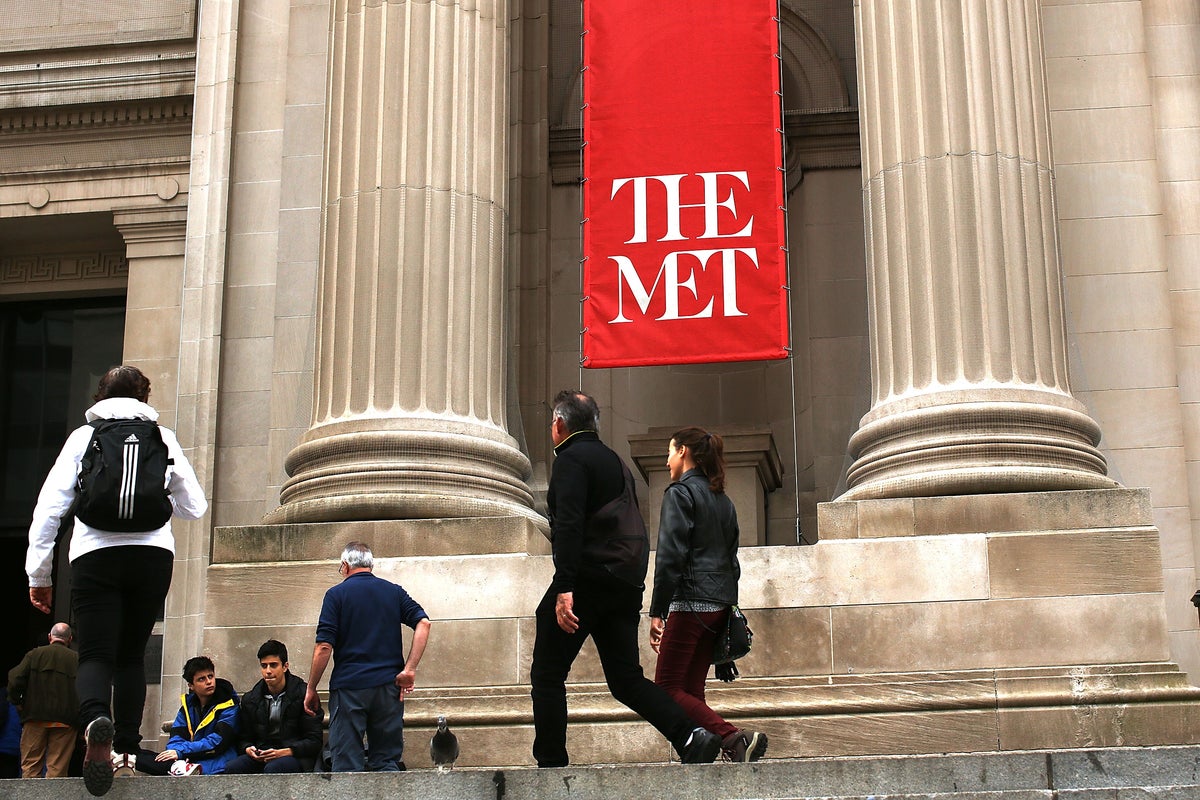
Health officials moved quickly, testing 160 cooling towers across the region. The results were startling. Thirty-one buildings tested positive for the bacteria, including several luxury apartment complexes on Park and Fifth Avenues, local private schools, and, most shocking of all, the Guggenheim Museum and the Metropolitan Museum of Art.
For the public, the inclusion of these beloved cultural institutions felt like a betrayal of safe spaces. How could a temple of human creativity host something so quietly hostile?
But the biology of the disease is indifferent to prestige. The Guggenheim’s rooftop cooling tower, despite regular monthly testing and maintenance by an outside contractor, had become host to the bacteria.
Consider the logistical nightmare of the response. The city did not just issue warnings; they ordered immediate, aggressive remediation. Teams of technicians in protective gear descended on 31 rooftops, draining thousands of gallons of warm water, scrubbing the interior basins, and flushing the systems with heavy doses of chlorine to eradicate the threat. The Guggenheim acted instantly, completing the disinfection within hours, ensuring that the museum remained safe and open to the public without a single day of closure.
But the real challenge of Legionnaires' disease lies in its anonymity.
The Diagnostics of Doubt
For doctors on the front lines, the disease is a master of disguise.
"It looks like every other pneumonia at first," says Dr. Elena Vance, a hypothetical pulmonologist working in a Manhattan hospital. "A patient comes in with a high fever, muscle aches, and a cough. In the winter, you think flu or COVID-19. In the summer, you might suspect a severe chest cold. Unless you ask the right questions—where they live, where they've walked—you might miss it until it’s too late."
The disease strikes hardest at those who are already vulnerable:
- Adults over the age of 50
- Current or former smokers and vapers
- People with chronic lung diseases like COPD or emphysema
- Anyone with a compromised immune system
For these groups, the mortality rate is grim. Roughly one in ten people who contract Legionnaires’ disease will die from the complications. If the infection is caught inside a healthcare facility, that rate climbs to one in four. The bacteria cause a severe, progressive form of pneumonia that can rapidly lead to respiratory failure, septic shock, and multi-organ shutdown.
The tragedy is that it is entirely preventable.
Proper maintenance of water systems, consistent chemical treating, and rigorous, transparent testing can keep Legionella at bay. But in a sprawling metropolis with tens of thousands of cooling towers, keeping track of every single basin of warm water is a monumental task. The city's health department must rely on building owners to do their duty, but as previous outbreaks in Harlem and the Bronx have proven, a single overlooked system can cost lives.
The Air We Breathe
Standing on the steps of the Metropolitan Museum of Art, watching tourists laugh and pose for photos in the summer sun, it is easy to forget how interconnected we truly are.
We tend to think of our health as an individual pursuit—a matter of diet, exercise, and personal choices. But an outbreak like this reminds us that our well-being is ultimately a shared endeavor. We are at the mercy of the infrastructure built to keep us comfortable. We are connected by the air currents that swirl between the skyscrapers, carrying the unseen exhaust of our modern lives.
David survived his bout with Legionnaires’ disease, though his recovery took months, leaving him with a lingering fatigue that made the stairs of his local subway station feel like a mountain climb. He still loves the museums of New York. But now, when he walks past a building and feels the sudden, cool brush of an artificial mist on his skin, he does not stop to enjoy the relief.
He holds his breath, quickens his pace, and keeps walking.