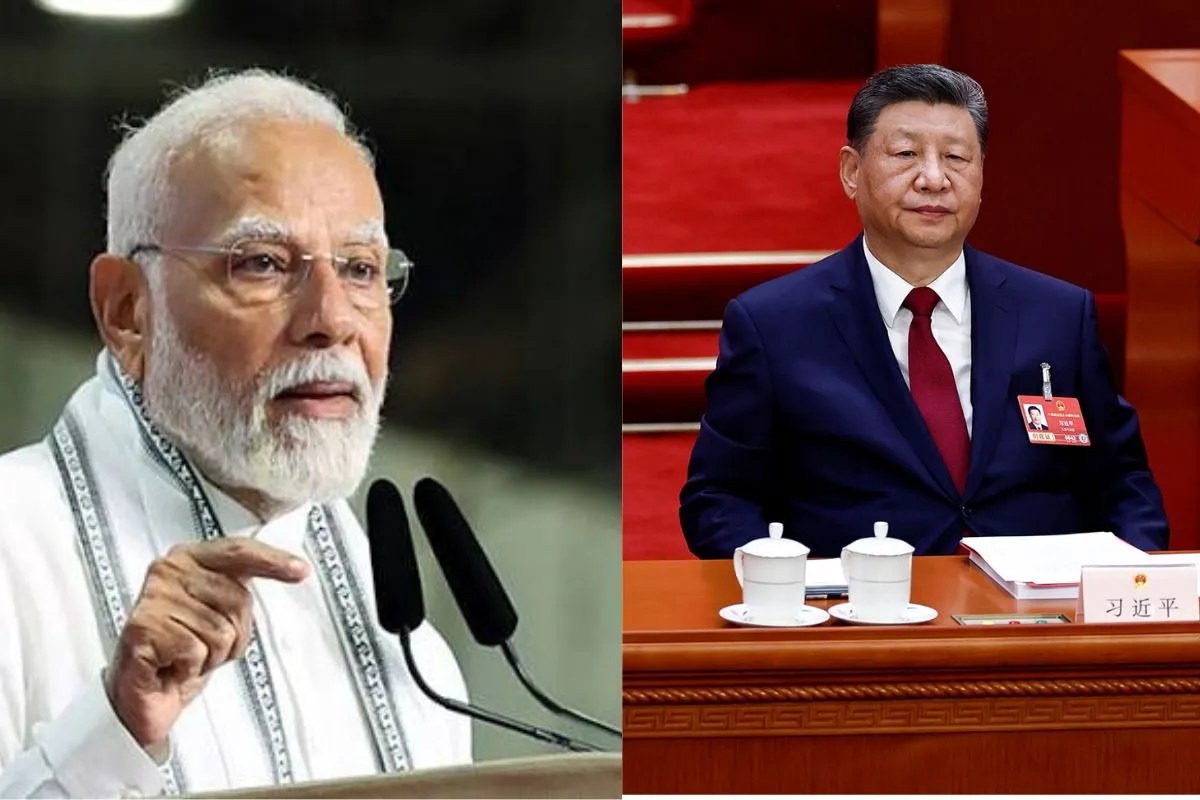
The Diplomatic Balancing Act
Geopolitics rarely offers clean narratives. Beijing recently announced its formal backing for New Delhi to host the upcoming BRICS summit, an endorsement that arrived alongside lingering ambiguity regarding whether Chinese President Xi Jinping will make the physical journey across the border. This dual-track posture exposes the deep fault lines, pragmatic calculations, and persistent friction defining bilateral ties between the two Asian giants.
For the uninitiated, this development represents more than a routine scheduling update. It highlights how multilateral platforms force competing powers into uncomfortable cooperation. India holds the rotating presidency of the bloc, shouldering the logistical and strategic weight of orchestrating a high-stakes gathering of emerging economies. China endorsing this mandate publicly signals institutional continuity and a shared commitment to expanding the global South's influence against Western-dominated financial architectures.
Yet, Beijing's simultaneous hesitation over Xi's attendance introduces a layer of diplomatic theater. It is a calculated hedge. By withholding a definitive travel confirmation, China retains leverage, keeping observers guessing while maintaining plausible deniability should bilateral tensions flare up ahead of the event.
Unpacking the Beijing Endorsement
Why would a government locked in a protracted military standoff along the Line of Actual Control validate its primary regional rival's leadership of a major diplomatic bloc? The answer lies in the structural purpose of the BRICS coalition.
Beijing views the platform primarily as an instrument for reshaping global governance. De-dollarization, expansion of the New Development Bank, and institutional challenges to Washington and Brussels take precedence over bilateral grievances within this specific multilateral framework. To undermine an Indian-hosted summit would be to undermine the credibility of the entire organization—a project in which China has invested heavily to project alternative global leadership.
Furthermore, refusing to support New Delhi's hosting duties would alienate other coalition members, particularly Brazil, South Africa, and newer additions like the United Arab Emirates and Iran. These nations prefer a functioning, cohesive forum rather than a stage for bilateral bickering. Beijing understands that regional leadership within the bloc requires a veneer of multilateral solidarity. Supporting the summit is cheap diplomacy that yields systemic dividends.
The Xi Jinping Question and Border Realities
The core friction point remains the physical presence of the Chinese head of state. Leaders do not travel into rival territories without ironclad guarantees regarding optics, security, and substantive outcomes.
Relations remain frozen in a deep tactical stalemate. Troop deployments along the Himalayan frontier have normalized into a permanent winter standoff. Intelligence sharing is low; economic decoupling, particularly regarding tech investments and manufacturing supply chains, continues quietly behind bureaucratic doors.
When a leader of Xi's stature travels, domestic and international audiences scrutinize every handshake, facial expression, and protocol detail. A visit to India requires careful diplomatic choreography. If a bilateral sideline meeting fails to yield tangible progress on border disengagement, the optics turn sour instantly. Conversely, skipping the event entirely risks signaling that Beijing places petty bilateral nationalism above the broader geopolitical ambitions of the bloc.
Diplomatic channels are currently working overtime to bridge this gap. Senior officials from both foreign ministries are exchanging quiet notes, attempting to secure a face-saving formula. Perhaps a virtual address, perhaps a shortened bilateral segment, or perhaps a full delegation visit if backchannel border talks produce a localized breakthrough before the summit commences.
The Multilateral Utility Game
Beyond India and China, the broader bloc watches this dynamic with cautious anxiety. The expansion of the organization brought in nations with diverse priorities, ranging from energy exporters to developing democracies. These countries joined to escape Western sanctions and secure development financing, not to become collateral damage in a Sino-Indian cold war.
When major players clash within the tent, the structural integrity of the alliance weakens. This reality forces both New Delhi and Beijing to walk a very thin line. India wants to project itself as the authentic voice of the global South, demonstrating that it can successfully manage high-level international summits without external disruption. Beijing wants to ensure the coalition remains focused on counter-hegemonic economic policies without granting New Delhi an unmitigated diplomatic victory on the global stage.
The friction is structural. It cannot be resolved by a single press release or a well-crafted joint statement.
Strategic Implications for the Region
As the calendar moves closer to the summit dates, the pressure on diplomatic corps mounts. The calculus for New Delhi involves managing domestic political expectations while showcasing international leadership. Prime Minister Narendra Modi's administration has consistently utilized multilateral forums to assert India's strategic autonomy, balancing ties with Western partners while sitting at tables with Western adversaries.
For Beijing, the calculation is risk management. Xi's handlers weigh the domestic narrative against foreign policy objectives. A leader who projects absolute authority domestically cannot afford a compromised or awkward overseas trip.
The announcement of support without a travel confirmation is the diplomatic equivalent of holding a door half open. It permits both sides to save face while keeping their powder dry. Whether that door swings wide open or slams shut depends entirely on quiet military disengagement talks happening far away from the television cameras.
The summit will proceed. The documents will be signed. The group photographs will be taken, with or without the primary actors standing shoulder to shoulder. But the underlying architecture of Asian security will remain defined not by the resolutions passed inside the conference hall, but by the cold, unyielding reality of the borderlands outside.