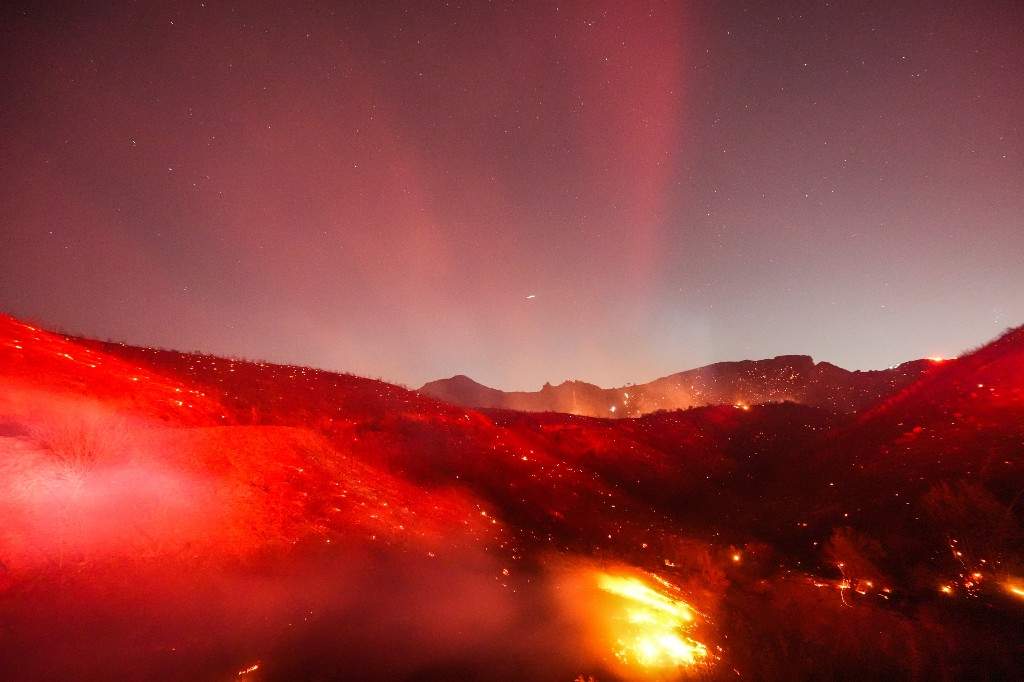
Smoke on a ridge above a canyon road changes the whole mood of a Tuesday afternoon. One minute you're checking traffic or watering porch plants, and the next your phone buzzes with an emergency alert telling you to pack up and leave.
Brush fires spark across Southern California with shocking speed because dry chaparral, steep canyons, and offshore winds do half the work for the flames before a single fire engine reaches the ridge. Evacuation orders follow quickly when embers start jumping ahead of the main front. Waiting to pack until sirens sound is one of the costliest mistakes a homeowner or traveler can make.
I've spent years following wildfire behavior, emergency alerts, and canyon evacuation bottlenecks across the region. Too many headlines treat a brush fire like a simple story of fire versus water, when the real drama plays out in wind channels, fuel moisture numbers, and split-second decisions on two-lane roads.
Why Brush Fires Spread So Fast When Winds Pick Up
People outside the West sometimes picture a wildfire as a slow wall of orange flames crawling through timber. Chaparral in Southern California doesn't burn like a quiet pine forest. It acts more like a tinderbox packed with resinous oils, dead twigs, and stiff leaves that bake under long stretches of low humidity.
When Santa Ana or Sundowner winds push down through mountain passes, air compresses and heats up as it drops in elevation. Relative humidity can plunge into single digits while gusts whip through narrow canyons. A spark from a dragging chain, a blown transformer, or a careless campfire doesn't just sit and smolder. It gets fed oxygen and pushed horizontally at speeds that catch first-time observers completely off guard.
Slope makes the math even harsher. Heat rises and preheats brush uphill from the flame front, letting a fire race up a steep hillside far faster than it moves across flat ground. You can watch a small patch of smoke turn into a roaring wall in minutes when wind and steep terrain line up.
According to the National Interagency Fire Center and CAL FIRE, wind-driven embers are a primary reason structures ignite miles ahead of the main fire line. Embers drift on gusty currents, land in dry roof gutters, palm skirts, or woodpiles, and start spot fires behind firefighters' backs. That's why authorities issue evacuation orders for neighborhoods that aren't even touching the active flames yet.
Evacuation Orders Sound Similar Until You Know What They Mean
When emergencies hit, people get tripped up by jargon. "Warning," "order," "mandatory," and "shelter in place" can blur together when adrenaline is high and neighbors are honking down the street.
In most California jurisdictions, an evacuation warning means there is a potential threat to life and property. It's your signal to load pets, medications, vital documents, and go-bags into the car now, while roads are calm and visibility is decent. An evacuation order means immediate threat to life. Law enforcement is telling you to leave right away because conditions could turn life-threatening before crews can protect every block.
Honestly, treating an evacuation warning as "maybe later" is where folks get burned—figuratively and literally. Traffic on canyon roads or foothill boulevards can jam up fast once hundreds of households hit the same two-lane exit at once. Leaving early during a warning keeps a bottleneck from swallowing your escape route.
What about sheltering in place? Unless emergency managers or on-scene firefighters explicitly direct you to stay put because escape routes are already cut off by fire or heavy smoke, don't invent your own shelter-in-place plan. A standard house isn't a hardened fire bunker, and smoke infiltration or radiant heat on a wooden structure can overwhelm a family fast.
What Most People Get Wrong About Defensible Space
Walk through any foothill neighborhood after a scare and you'll see the same myths repeating. A lot of homeowners assume clearing a strip of weeds right next to the stucco wall is enough. Others stack firewood against the garage or leave dry patio cushions and plastic bins sitting under eaves because "the grass is mowed."
Defensible space works in zones, not as a single patch of dirt. The National Fire Protection Association and local fire agencies emphasize keeping the immediate area around the structure—often called Zone 0 or the noncombustible zone—free of dead leaves, pine needles, combustible mulch, and stored items that catch windblown embers. Embers landing in dry leaves pressed against a sliding glass door or vent screen are a classic cause of house loss even when flames never sweep the yard.
Another misconception is thinking a big green tree in the yard automatically protects the roof. Mature oaks or sycamores can offer shade and trap some wind, sure, yet overhanging branches that aren't pruned away from chimneys or roofs can also drop dry debris or carry heat if deadwood is tangled inside. It's not about bulldozing every plant on the lot; it's about breaking continuous fuel paths and keeping dry debris away from vents, decks, and eaves.
There's also a real debate among ecologists, firefighters, and homeowners over brush clearing on steep slopes. Native chaparral isn't just "junk brush"—it's a distinct ecosystem adapted to periodic fire, and over-clearing slopes can increase erosion or invite invasive annual grasses that dry out even earlier in spring. Good policy balances home protection right around structures with smart, targeted management rather than scraping every hillside bare.
How Air Quality and Smoke Turn a Local Fire Into a Health Problem
Even if a brush fire is ten or fifteen miles away and your neighborhood isn't under an evacuation order, smoke can still ruin your day and strain your lungs. Wildfire smoke isn't just campfire smell; it's a cocktail of gases and fine particulate matter, especially PM2.5, tiny particles small enough to travel deep into the lungs and enter the bloodstream.
Children, older adults, pregnant people, and anyone with asthma, COPD, or heart conditions feel the hit first. You don't have to be coughing hard to feel affected—headaches, burning eyes, scratchy throats, and unusual fatigue show up fast when smoke settles into a basin or valley.
The U.S. Environmental Protection Agency provides guidance on tracking smoke and using clean indoor air spaces during smoke events. Running home HVAC with a clean high-efficiency filter (MERV 13 or higher if your system handles it without airflow strain) or running a portable HEPA air purifier in a closed bedroom makes a noticeable difference. Opening windows "just to air out the house" when outdoor air quality is poor is basically inviting smoke inside.
Pay attention to air quality apps and local monitors, too, while keeping a healthy dose of skepticism about single-sensor readings. Smoke plumes shift with evening cooling and morning inversion layers. Air that looked hazy at noon might clear by late afternoon, or it might settle heavy into a bowl right at dusk.
Common Mistakes When Evacuation Orders Hit
When alerts start chiming, smart people still make predictable slip-ups. Here are the ones I see trip people up most often:
- Waiting for a knock on the door. First responders focus on life safety and fire suppression; you shouldn't count on an officer having time to knock on every door on every street.
- Letting the gas tank drop below a quarter. If power lines go down or grid strain knocks out station pumps, a near-empty tank turns a simple drive out of the canyon into a nightmare.
- Hunting for non-essentials at the last minute. Nobody needs a frantic ten-minute search for an old photo album or a spare charger while smoke thickens outside.
- Ignoring pets or livestock until the last second. Crating a scared cat or loading a horse or goat takes time, especially when sirens and helicopters are overhead.
- Driving blindly into zero visibility. If smoke and flames cross the road ahead or visibility drops to near zero, turning around safely—or following law enforcement traffic control—beats pushing into a dead end.
Practical Steps You Can Take Right Now
You don't need to live in a remote mountain cabin to take brush fire risk seriously. If you live in, commute through, or visit fire-prone areas of Southern California, a few habits put you way ahead of the curve.
- Sign up for official local alerts before you need them. Register your cell number, landline, and email with your county or city emergency alert system, and follow local fire department and sheriff channels rather than relying solely on social media rumors.
- Keep a grab-and-go kit ready near the door or trunk. Pack prescription medications, copies of IDs and insurance policies, phone chargers and a battery bank, sturdy shoes, water, and basic snacks in one spot so you can load up in minutes.
- Park smart and keep your tank topped up. Back your car into the driveway facing the street so you can pull out fast without maneuvering around gear, and try to refuel once your tank hits half during high-fire-weather days.
- Clear dry leaves from gutters, roofs, and right next to walls. Take twenty minutes with a blower or broom to clean out dry needles and leaves that wind loves to tuck into corners and crevices.
- Know two ways out of your neighborhood. Don't rely on a single canyon road or freeway on-ramp if a crash, police closure, or spot fire blocks it. Pick a primary and secondary route ahead of time.
Wildfires in Southern California aren't going away, and sudden evacuation orders will keep catching people off guard whenever dry brush and strong winds collide. A calm head, a half-full tank, and a pre-packed bag won't stop a brush fire, yet they can give you something priceless when the alerts start flying: time and options.