The mainstream trade consensus loves a simple narrative. According to the standard media script, the European Union’s recent repurposing of its import-monitoring task force—originally designed to track fallout from Washington's protectionism—is a noble defense of local factory floors against a sudden, malicious flood of redirected Chinese overcapacity.
It is a clean story. It features clear villains, beleaguered local artisans, and vigilant bureaucrats in Brussels acting as economic shield-bearers.
It is also absolute nonsense.
I have spent years watching corporate lobbies and regulatory bodies panic every time free markets threaten bloated legacy cost structures. When Denis Redonnet, the European Commission's chief trade enforcement officer, steps up to warn that nearly a quarter of EU imports are climbing at a "worrying" rate,
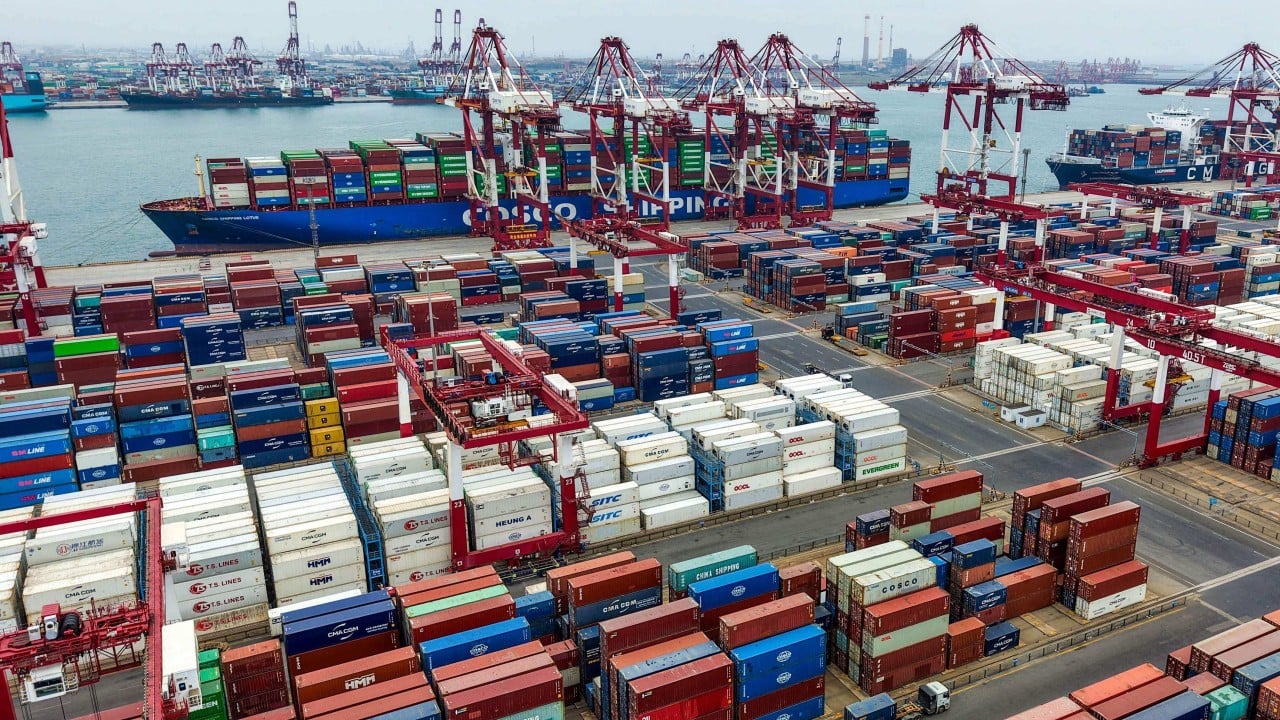
The Brussels China Shipping Alarm Is Pure Economic Theatre
business, news
Everybody in trade policy is currently losing their minds over a phantom threat.
The mainstream narrative screams that European regulators are panic-stricken over a massive surge in Chinese goods rerouting through secondary ports, treating this influx as a malicious loophole designed to dodge old Trump-era protectionist tripwires. Brussels insiders are drafting urgent memos, business media anchors are warning of an impending trade apocalypse, and corporate boardrooms are scrambling to restructure supply chains based on a fundamental misdiagnosis of reality.
It is all smoke, mirrors, and bureaucratic self-preservation.
I have spent the last fifteen years watching trade ministers chase ghosts while actual market forces rewrite the rules of global commerce right under their noses. What the panic-mongers call a dangerous backdoor is actually just global capital doing what it always does: finding the path of least resistance through a broken, obsolete tariff architecture.
Stop worrying about the container volumes setting off alarms in Brussels. They are not a sign of an aggressive trade invasion. They are a symptom of a regulatory regime that refuses to admit it is bankrupt.
The Flawed Premise of the Border Control Trap
The lazy consensus relies on a comforting illusion. The premise states that if you build high enough tariff walls and deploy clever digital tripwires, sovereign supply chains will snap back to domestic or near-shored alternatives.
This is economic illiteracy masquerading as statecraft.
When you penalize direct imports from a dominant manufacturing powerhouse, you do not stop consumption. You merely tax logistics innovation. Capital does not curl up and die when faced with a barrier; it invents a workaround. The surge in shipments arriving through third-party nations is not an evasion tactic born of nefarious state strategy. It is basic commercial survival. European companies and Asian suppliers are simply routing inventory through jurisdictions that have not yet choked themselves with administrative red tape.
To call this a loophole is to misunderstand how modern manufacturing works. Supply chains are not rigid pipe networks; they are liquid webs. Squeeze one node, and the fluid redistributes instantly.
I sat in a strategy session last year where a major industrial player panicked over a compliance warning regarding component origins. They spent six figures hiring trade lawyers to untangle a web of sub-tier suppliers, only to realize that their primary competitor was simply buying the exact same finished assemblies repackaged in Southeast Asia for a fraction of the cost. The compliance department celebrated their meticulous paperwork. The finance department watched their margins bleed out.
Paperwork does not protect domestic industry. It just rewards the companies best equipped to hire expensive bureaucrats to bypass it.
Dismantling the Compliance Obsession
Ask any supply chain consultant what keeps them awake at night, and they will point to traceability mandates and origin verification rules. The people also ask if stricter customs enforcement will level the playing field for local manufacturers.
The honest answer is no. It never has, and it never will.
Stricter enforcement merely acts as a regressive tax on mid-market competitors. Mega-corporations with armies of automated logistics software absorb the compliance friction as a cost of doing business. The regional player trying to source affordable electronic components gets crushed under the weight of evidentiary demands. You are not protecting domestic enterprise; you are consolidating market share for the titans who can afford the compliance overhead.
Look at the underlying data. The surge in transshipments correlates almost perfectly with margin compression in European heavy industry, driven not by cheap imports, but by structural energy costs that no amount of customs policing can fix. Blaming the shipping data is an easy political scapegoat. It allows policymakers to point at a flashing red light on a dashboard and pretend they are fighting a trade war, while ignoring the fact that their own industrial power grid is pricing them out of global competition.
The Counter-Intuitive Playbook
If you are running a business or formulating strategy based on the fear of these shipping crackdowns, you are playing the wrong game. Stop trying to outsmart customs inspectors. Stop wasting capital on elaborate supply chain obfuscation designed to dodge the latest regulatory whim.
Instead, radically decouple your operational footprint from the regulatory theater entirely.
The companies winning right now are not the ones with the most creative shipping routes. They are the ones building products where origin localization is a genuine value proposition rather than a legal mandate. If your product can be easily commoditized and replaced by a cheaper alternative rerouted through a third country, no amount of trade protection will save your margins. You have a product problem, not a logistics problem.
Admit the downside of this approach: it requires letting go of the safety blanket of state protection. It means accepting that if you cannot compete on speed, design, or genuine utility, a customs barrier is only a temporary oxygen mask delaying an inevitable suffocation.
Brussels will keep sounding alarms. The trade press will keep publishing breathless warnings about shifting container routes. Let them. While your competitors are busy arguing over customs classifications and chasing phantom loopholes, you should be building something the market actually wants to buy, regardless of which port it sailed from.
The shipping data is noise. The fundamentals are brutal. Pay attention to the latter.