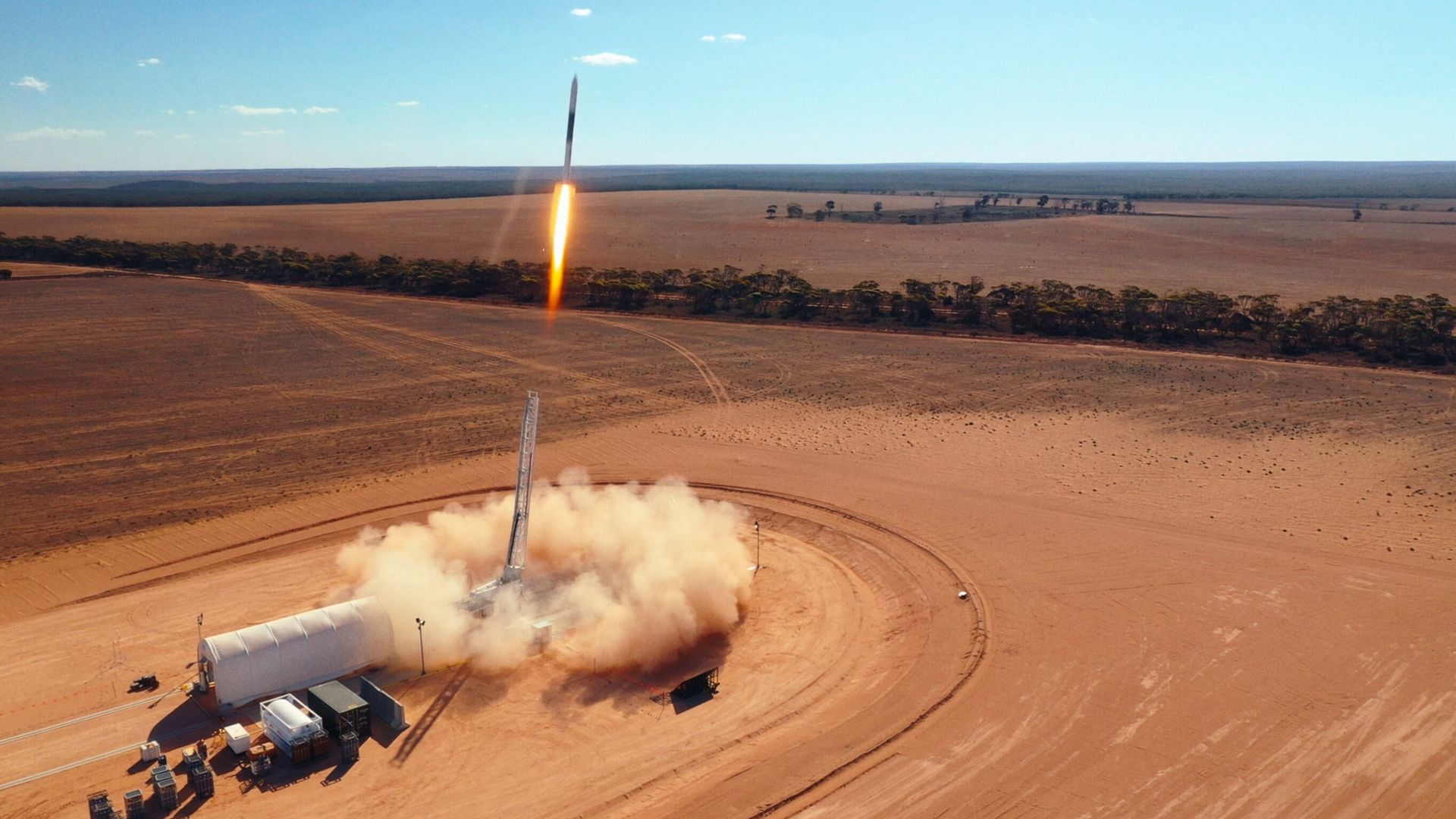
The United Kingdom’s grand ambition to establish sovereign orbital launch sites—anchored by facilities like the SaxaVord Spaceport in the Shetland Islands and regulatory clearances handed out by the Civil Aviation Authority—has been framed as a triumphant entry into the private space age. Behind the optimistic press releases and ministerial ribbon-cuttings lies a far more fragile commercial reality. While granting licences for vertical rocket operators such as Rocket Factory Augsburg and Skyrora marks a clear regulatory milestone, it also exposes a high-stakes gamble against punishing economic gravity, fierce international rivalry, and profound market saturation in the microlaunch sector.
For decades, the British aerospace sector excelled at building sophisticated satellites while quietly shipping them abroad to be hoisted into orbit by foreign providers. Fixing this geographic disadvantage required more than regulatory paperwork. Geography dictates that northern Scottish latitudes provide an ideal corridor for sun-synchronous and polar orbits, highly coveted paths for Earth-observation and weather monitoring constellations. Yet, maritime weather in the North Atlantic is notoriously unforgiving. High winds, corrosive salt mist, and volatile sub-arctic conditions create an operational environment that drives up maintenance costs and multiplies launch delays. Building a spaceport on a remote island chain is an exercise in extreme logistics, where every bolt, valve, and drop of cryogenic propellant must cross miles of unpredictable sea and narrow roads.
The financial pressure on launch providers attempting to capitalize on these licences is immense. Companies like RFA and other European microlaunch startups are chasing a very narrow margin of profitability. Their business models rely on offering frequent, dedicated rides for small payloads ranging from 100 to 1,500 kilograms. However, the global smallsat market has evolved rapidly, and secondary payload slots on heavy-lift workhorses like SpaceX's Falcon 9 frequently offer rock-bottom pricing that dedicated microlaunchers struggle to match. When a customer can book a rideshare to low-Earth orbit for a fraction of the cost per kilogram, convincing them to pay a premium for a specialized launch from a remote Scottish island requires exceptional reliability and pitch-perfect execution.
Operational setbacks have already proven how unforgiving this market segment is. Static-fire testing and engine development campaigns carry high risks of catastrophic failure, which can instantly drain startup capital and shake investor confidence. Insurance premiums for initial orbital attempts from new soil are astronomical, reflecting the statistical reality of early-stage rocketry. When a test anomaly occurs, the financial fallout ripples backward through the supply chain, delaying subsequent flights and forcing startups to secure emergency bridging funds in an economic climate that has grown increasingly hostile to capital-intensive hardware ventures.
National security priorities add another layer of complexity. Government enthusiasm for domestic spaceports is heavily tied to the desire for responsive launch capabilities, ensuring that military and intelligence payloads can be deployed without relying on foreign allies or commercial providers susceptible to geopolitical shifts. Yet, defense contracts alone cannot sustain a commercial spaceport. SaxaVord and its peers must secure a steady cadence of commercial customers to cover massive fixed overhead costs. Without a high-frequency launch manifest, spaceports risk becoming expensive white elephants, maintained primarily for strategic insurance rather than commercial viability.
The regulatory framework managed by the Civil Aviation Authority, while thorough, has also had to adapt on the fly to an industry that moves faster than traditional aviation bureaucracy. Balancing public safety across fragile crofting communities and maritime exclusion zones requires meticulous planning. Every restriction designed to protect local fisheries, wildlife habitats, and human settlements adds friction to the operational timeline. A launch delay of a few weeks can disrupt a startup's cash flow entirely, pushing them closer to insolvency before their maiden orbital flight even clears the pad.
Ultimately, possessing a launch licence is merely a hunting license. The companies and spaceports surviving the decade will not be those that generated the most celebratory headlines upon regulatory approval, but those that master cost containment, supply chain resilience, and manufacturing repeatability. The North Shetland wind will continue to howl across the launch pads, indifferent to corporate valuations and government strategies. For Britain's new space economy, the hard work is only just beginning.


