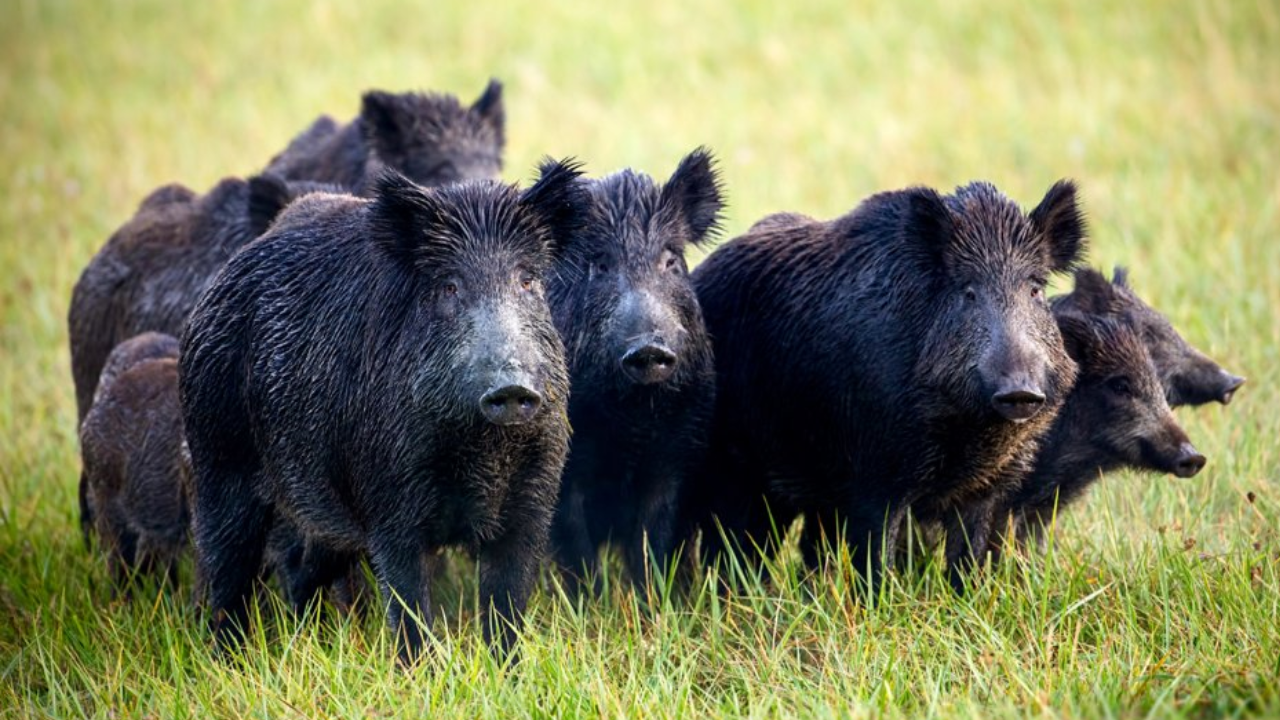
The path to ecological salvation often begins with a rifle shot. On Santa Cruz Island, located eighteen miles off the Southern California coast, the rescue of the island fox required the systematic destruction of 5,036 feral pigs. It was an exercise in biological triage that remains one of the most efficient, albeit controversial, wildlife management operations in modern history. The project was not simply about population control; it was a desperate correction for a system pushed to the edge of collapse by human intervention.
To understand the necessity of this operation, one must look at the chain reaction initiated by nineteenth-century ranching. Domestic swine, introduced in the 1850s, eventually escaped and flourished in the island’s rugged terrain. These pigs became the engine of an unexpected catastrophe. By the late 1980s, the dense pig population provided a reliable, high-calorie food source that drew golden eagles from the mainland to the Channel Islands.
The golden eagles, however, were not satisfied with piglets alone. They discovered a much easier target: the island fox. These small, endemic mammals had occupied the islands for thousands of years without ever encountering an aerial predator. They possessed no behavioral defenses against a bird of prey that could strike from above. Simultaneously, the native bald eagles, which would have naturally defended the territory against golden eagles, had been driven from the islands by the impacts of DDT pollution.
The result was a textbook case of hyperpredation. The fox population plummeted by more than ninety percent, leaving fewer than seventy individuals on Santa Cruz Island by the year 2000. Extinction was no longer a distant theoretical threat; it was an impending deadline.
The National Park Service and The Nature Conservancy, which manage the island, faced a stark binary. They could either stand by while a species disappeared, or they could intervene with lethal precision. They chose the latter, initiating an eradication program in 2005. The logistics were massive. They divided sixty-two thousand acres into five zones using twenty-eight miles of fencing to contain the animals. Expert teams utilized helicopters, ground trackers, and trained dogs to comb the mountainous terrain.
Critically, this was not a hunt in the recreational sense. It was a professional, systematic removal. By July 2006, the last of the 5,036 pigs had been eliminated. The primary food source for the golden eagles was gone, effectively breaking the link in the predator-prey chain.
Wildlife managers supplemented this by relocating golden eagles to mainland California and reintroducing captive-bred bald eagles to reclaim their historical nesting sites. Meanwhile, a captive breeding program provided a safe haven for the remaining foxes until the ecosystem reached a state of stability.
The speed of the recovery surprised even the most seasoned biologists. By 2015, the population had surged from fewer than seventy animals to approximately 2,100. In 2016, federal authorities officially removed three subspecies of the Channel Island fox from the endangered species list. It stands as the fastest recovery of any mammal listed under the United States Endangered Species Act.
Critics raised significant concerns regarding the ethics of the operation. Lawsuits were filed, questioning the methods and the humanity of the eradication. Those challenges touched upon the uncomfortable reality of modern conservation: when humans irrevocably alter an environment, we are often forced to choose between flawed, violent solutions and the permanent loss of unique biodiversity.
The broader lesson of Santa Cruz Island is that ecosystems are fragile networks of cause and effect. The pigs were an invasive symptom, but the golden eagles were the primary predator. Removing the pigs did not just stop the destruction of vegetation and archaeological sites; it shifted the balance of power back to the native residents.
Successful management requires the stomach to address the root cause, regardless of how unpopular the process might be. The rebound of the island fox is a testament to the fact that when we identify the precise drivers of a decline, we possess the tools to reverse even the most dire outcomes.
This video provides a detailed breakdown of the ecological chain reaction and the specific methods used by conservationists to restore the Santa Cruz Island fox population.