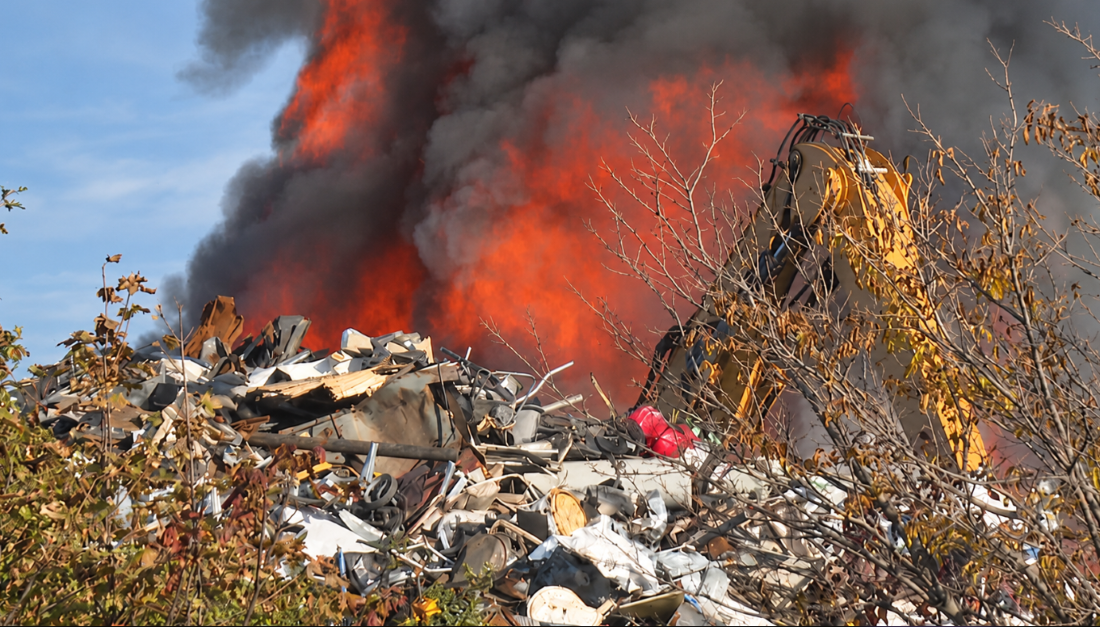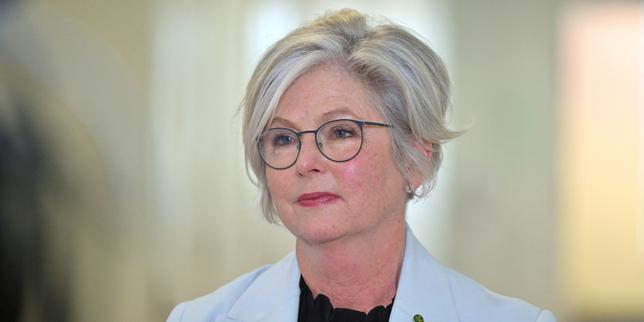
On October 19, 2026, independent Australian lawmaker Helen Haines was struck by a Toyota Land Cruiser SUV outside her electoral office in Wangaratta, northern Victoria, leaving the 65-year-old member of parliament in critical condition and resulting in the amputation of both legs. Four weeks later, in mid-November 2026, Haines was discharged from hospital to begin rehabilitation as a 43-year-old local man, Brendan Nugent, faces criminal charges before the courts. Breaking news dispatches framed the episode around initial hospital drama and a single suspect. Look closer, and the attack exposes a deeper structural fault line in Australian democratic life: how to protect elected officials on open high streets without dismantling the everyday accessibility that defines regional representation.
How a Routine Regional Office Became a Flashpoint
Wangaratta sits roughly 200 kilometers northwest of Melbourne inside the rural electorate of Indi, a seat Haines has held as an independent since 2019 after working as a nurse and midwife. In regional Australia, an electorate office is not a fortified bunker tucked behind security gates. It is a storefront where constituents walk in with pension paperwork, local infrastructure complaints, and personal grievances.
That openness is a feature, not an accident. Regional voters expect their federal representative to be visible on the street and reachable without layers of bureaucracy. Yet the same street-level exposure that builds trust also leaves lawmakers and their staff vulnerable when a grievance turns violent.
Police described the attack as an isolated incident at the time, even as Prime Minister Anthony Albanese called it a deliberate act and federal leaders confronted rising anxieties over political hostility.
Following the assault, bystanders intervened at the scene, and authorities arrested a suspect from nearby Tarrawingee. Charges filed against Brendan Nugent include dangerous driving causing serious injury, intentionally causing serious injury, and causing harm to a public official, with court proceedings extending into February 2027. What makes the case particularly jarring for the local community is the human proximity involved; family statements noted a longstanding personal connection spanning more than two decades.
Violence against public figures rarely arrives in a vacuum. Even when police treat a specific assault as isolated in terms of wider organized plots, the surrounding environment shapes how volatile personal crises or political anger become.
The Accessibility Trap in Modern Politics
Most surface-level coverage stops at the shock of a lawmaker being struck by a vehicle. A harder look asks why storefront offices struggle to balance physical deterrence with democratic access.
Consider a hypothetical example of a regional electorate office on a busy main road. Bollards and reinforced glass might stop a vehicle from breaching a doorway or deter an impulsive strike on the pavement. Yet heavy physical barriers on a quiet country high street can also signal fear or distance, turning a welcoming civic hub into a fortress that discourages ordinary residents from dropping by.
Security upgrades are not a cure-all. A vehicle on a public street is part of everyday traffic until someone turns it into a weapon. Even the best window film or door buzzer cannot rewrite street geometry outside a leased commercial shopfront.
Authorities moved quickly to bolster protections at nine electoral offices after the October attack. That response addresses immediate physical gaps for selected locations, but it leaves a tough policy question unresolved: which offices get reinforced, how quickly can regional leases be modified, and where does ordinary public access end?
Polarization, Accountability, and Institutional Strain
Haines built her profile in federal parliament around transparency in politics, anti-corruption reforms, and stronger climate action. Independents and minor-party MPs often sit at the center of heated debates precisely because their votes and policy pushes can sway parliamentary momentum.
Across democracies, rising polarization and online abuse have intensified pressure on elected officials. Verbal hostility online can bleed into real-world intimidation, making routine constituent interactions feel heavier for staffers and members alike.
At the same time, Australian politics is navigating broader institutional adjustments around money and accountability, including federal campaign finance reforms scheduled to take effect at the start of 2027. While campaign finance rules and office security belong to different policy tracks, both touch the same core nerve: public confidence in how representation works and whether ordinary citizens feel heard through normal channels rather than rage.
There is also a risk of over-correction. Turning every MP's office into a high-security compound might reduce certain physical hazards, yet it risks hollowing out the street-level contact that allows constituents to hold representatives accountable face to face.
What Comes Next for Courts and Lawmakers
Two tracks now run side by side in the wake of the Wangaratta attack: criminal accountability in the courts and rehabilitation and policy reflection in public life.
- Legal proceedings: The case against Brendan Nugent moves through the courts with serious charges tied to injury and harm to a public official, where presumption of innocence and due process govern every step.
- Personal recovery: Haines has shifted from acute hospital care to rehabilitation after losing both legs, a long physical and personal process far removed from parliamentary headlines.
- Practical office safety: Parliaments and security agencies must weigh targeted physical upgrades, staff training, and incident response against the practical realities of regional shopfronts.
No single barrier or security protocol can guarantee total safety on a public street. Protecting the people who do public work requires clear-eyed security measures paired with a refusal to normalize intimidation as the price of serving in office.