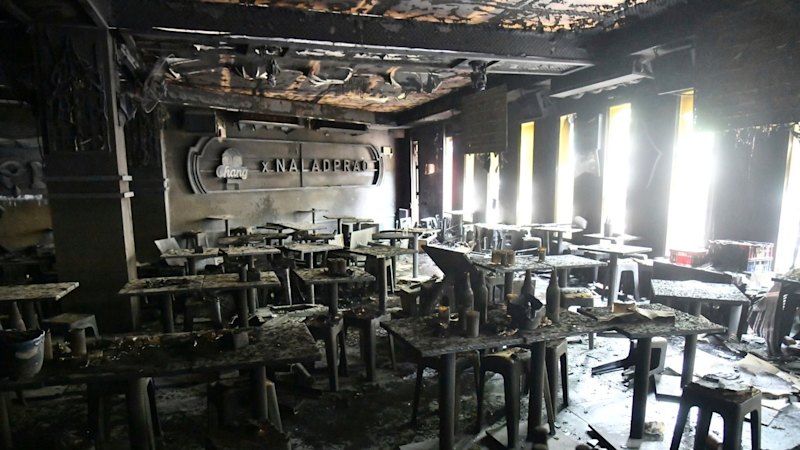
When the smoke cleared from the ruins of the Mountain B nightclub in Chonburi, and before that, the Santika Club in Bangkok, the official post-mortems read like identical scripts. Investigators pointed to highly flammable acoustic foam, locked emergency exits, and illegally altered building structures. Yet, framing these disasters merely as tragedies of cheap decor and lax rules misses the deeper, systemic rot. The real culprit is an entrenched, multi-tiered architecture of regulatory evasion, where safety is treated as a negotiable operating cost rather than a legal mandate.
This is not a story about careless partygoers or a single corrupt inspector. It is an indictment of a commercial ecosystem that deliberately prioritizes rapid venue monetization over human life, shielded by a fragmented enforcement apparatus that renders compliance optional.
The Anatomy of an Indoor Fire Trap
To understand why these venues become sudden, inescapable incinerators, one must look at the specific physics of modern nightlife construction. Nightclubs are essentially highly pressurized acoustic boxes designed to keep massive sound systems from bleeding into surrounding neighborhoods.
Achieving this soundproofing on a budget requires compromise. Reputable, flame-retardant acoustic paneling is expensive. Cheap, open-cell polyurethane foam is not. When a spark from a stage effect or faulty electrical wiring hits this low-grade polyurethane, the result is instantaneous and catastrophic.
The material does not just burn. It melts, dripping liquid fire onto the crowd below while releasing massive volumes of hydrogen cyanide and carbon monoxide. In a matter of seconds, the indoor atmosphere becomes toxic. This rapidly induces disorientation and asphyxiation long before the thermal fire actually reaches the victims.
Compounding this hazard is the deliberate obstruction of egress. Venues routinely lock secondary exit doors to streamline ticket collection, prevent gatecrashing, and control patron flow. When the lights cut out and the air fills with black, choking smoke, hundreds of people are funneled into narrow, labyrinthine corridors toward a single main entrance. The geometry of the space itself becomes a physical bottleneck, transforming an orderly evacuation into a fatal crush.
The Economic Incentives of Regulatory Evasion
The persistence of these hazardous environments is driven by basic, cold economic calculations. For an independent nightlife operator, the cost of full compliance with modern fire codes can easily double the initial capital expenditure required to open a venue.
The Cost Discrepancy of Safety
Consider the financial divide between safe construction and corner-cutting:
| Expense Category | Compliant Implementation | Non-Compliant Shortcut |
|---|---|---|
| Acoustic Insulation | Class A rated fire-retardant mineral wool or specialized drywall. | Unrated, flammable open-cell polyurethane foam packaging material. |
| Fire Suppression | Monitored automated sprinkler systems with dedicated water pumps. | A handful of expired, poorly placed handheld chemical extinguishers. |
| Emergency Egress | Multiple outward-swinging panic hardware doors with illuminated independent power exits. | Single front door supplemented by locked, hidden secondary service exits. |
| Electrical Infrastructure | Industrial-grade conduit wiring managed by certified engineers. | Overloaded daisy-chained extension cords hidden behind fabric drapery. |
For a venue operating on razor-thin margins in a hyper-competitive market, choosing the shortcut saves thousands of dollars in upfront capital. The operator bets that they can recoup their investment and turn a profit before any enforcement mechanism catches up with them.
More often than not, that bet pays off because the local regulatory framework is fundamentally fragmented. Responsibility for nightlife safety is split across a confusing patchwork of municipal building departments, local police precincts, and environmental health agencies. No single entity owns the mandate to keep the public safe, allowing venue owners to play these agencies off one another, securing a business license from one bureau while completely ignoring the structural violations flagged by another.
The Mirage of Post Disaster Reform
Every major venue fire triggers a predictable public cycle. There is widespread outrage, followed by high-profile government crackdowns, highly publicized raids on prominent venues, and stern promises of sweeping legislative reform.
Yet, this sudden surge of enforcement rarely outlives the news cycle. The systemic flaws remain entirely untouched because the underlying legal frameworks contain deliberate ambiguities. Ambiguities that allow non-compliant structures to continue operating under grandfather clauses or temporary extensions.
The Zoning Loophole Gamble
A favorite tactic among unscrupulous operators is misclassifying the primary nature of the business. By registering an expansive, high-occupancy dance club as a traditional restaurant or a live acoustic lounge, owners bypass the stringent structural engineering reviews and mandatory automated sprinkler requirements dictated by strict entertainment venue acts.
When inspectors arrive for routine visits, tables are set out to mimic a dining establishment. Once the sun goes down, those tables are pushed against the walls to accommodate a packed dance floor. The local authorities are often fully aware of this functional transformation, but the blurred lines in the legal definitions provide convenient plausible deniability for both the business owner and the inspector.
True accountability requires dismantling this culture of calculated ambiguity. As long as the financial penalties for operating an uncertified, hazardous venue remain lower than the actual cost of installing functional fire suppression infrastructure, operators will continue to view safety fines as a standard, predictable cost of doing business.
Structural Solutions Require Transparent Automation
Fixing a broken enforcement culture cannot rely on the sudden, permanent moral awakening of regional inspectors. Human enforcement is inherently vulnerable to leverage, fatigue, and local influence. The solution must involve removing the element of human discretion from the baseline compliance process entirely.
Municipalities must transition to digitized, public-facing building registries where occupancy permits, fire inspection certificates, and architectural blueprints are immutably logged and accessible to anyone with a smartphone. If a venue lacks a verified, up-to-date inspection clearance on the public ledger, its liquor license should be automatically suspended by the central banking systems that process its digital transactions.
Furthermore, insurance underwriters must refuse to issue liability coverage to entertainment spaces that cannot prove the provenance of their building materials. When a venue owner cannot secure insurance, commercial landlords will refuse to lease them the physical space, creating an economic barrier to entry that no amount of local influence can bypass.
We must also look closely at the supply chains distribution of industrial materials. Selling raw, unrated polyurethane foam under the guise of commercial acoustic insulation should carry severe criminal liability for the distributor. If the toxic material cannot be easily sourced in bulk without a commercial contractor license, it will stop appearing on the walls of makeshift concert halls.
The tragic losses witnessed in these charred structures were entirely preventable. They were the logical, mathematical outcomes of a system that allows commercial entities to trade human safety for a faster return on investment. Until the cost of evasion becomes financially ruinous, the music will keep playing in rooms built to burn.