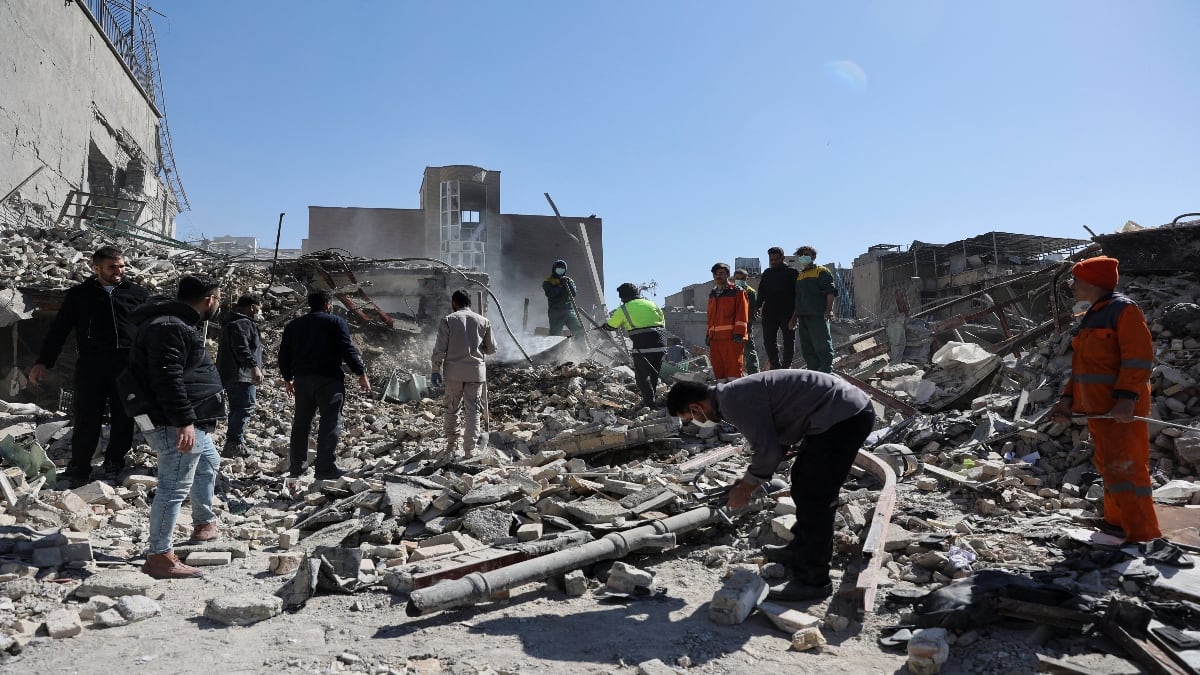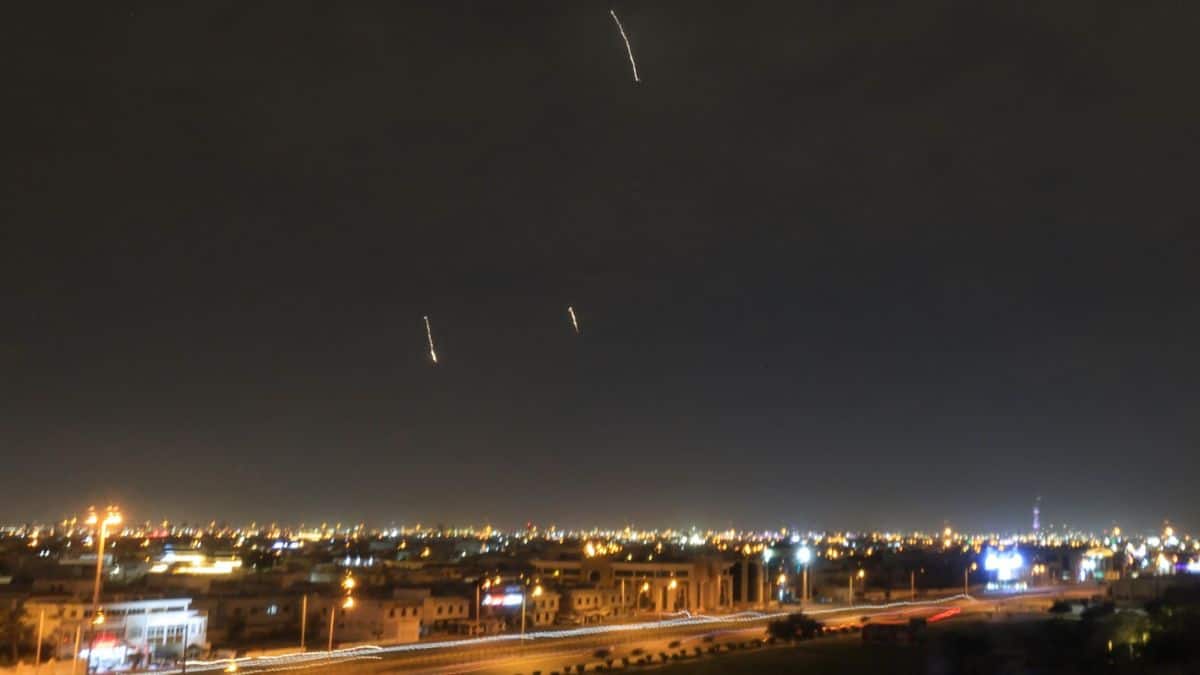
The shadow war is over. On February 28, 2026, a decade of calibrated proxy skirmishes and deniable sabotage evaporated as Israeli and American forces launched a decapitation campaign that has fundamentally broken the Middle Eastern status quo. While early reports focus on the kinetic "fireworks" over Tehran and Isfahan, the deeper reality is a meticulously planned dismantling of the Islamic Republic’s command structure, beginning with the elimination of Supreme Leader Ali Khamenei in the opening hours of Operation Roaring Lion and Operation Epic Fury.
This is not a repeat of the limited strikes seen in decades past. We are witnessing a high-velocity transition from containment to forced regime collapse. By targeting the Supreme National Security Council and the Assembly of Experts, the coalition has not just hit buildings; they have erased the bureaucratic nervous system of the state.
The Decapitation of the Deep State
The speed of the initial strike wave was unprecedented. Using a combination of long-range air-launched ballistic missiles and US Tomahawks, the coalition successfully targeted a high-level leadership meeting in Tehran. The confirmed deaths of the Supreme Leader, the Defense Minister, and the Commander of the IRGC represent a total collapse of the traditional Iranian hierarchy.
In the vacuum, an "Interim Leadership Council" has emerged around Ali Larijani, but their control is tenuous at best. Outside the capital, the provincial headquarters of the Law Enforcement Command (LEC) in regions like Kurdistan and Ilam have been systematically leveled. This isn't just about military superiority; it’s a deliberate effort to disable the regime’s internal suppression mechanisms.
The strategy is clear. By destroying the tools the regime uses to crush domestic dissent—specifically the LEC and Basij hubs—the coalition is betting on the rekindling of the mass protests that rocked the country in early 2026. Without a unified command or the means to coordinate a crackdown, the security apparatus is fracturing.
The Digital Iron Curtain
While the skies are filled with F-35s and MQ-9 Reapers, the most devastating blows may have been delivered in bits and bytes. Concurrent with the first missile impacts, Iran’s internet connectivity plummeted to a staggering 1%. This near-total blackout was achieved through what intelligence analysts describe as the largest coordinated cyberattack in history.
The objective was twofold:
- Operational Isolation: Preventing IRGC units from receiving orders or coordinating retaliatory strikes.
- Information Dominance: Ensuring the regime cannot broadcast propaganda or track dissidents via digital surveillance.
Despite this, Iranian-aligned hacktivists like "Handala Hack" and the "Electronic Operations Room" have attempted to strike back at Israeli energy grids and Jordanian fuel systems. These efforts, however, feel like the thrashing of a wounded animal. Without the centralized support of the Ministry of Intelligence and Security (MOIS), these groups are acting in tactical isolation, reducing their effectiveness to low-level disruption rather than strategic damage.
A Global Shockwave in the Strait
Iran’s response has been predictable but desperate. Lacking the ability to defend its own airspace, the IRGC Navy has attempted to close the Strait of Hormuz. This move, long considered the "nuclear option" for global energy markets, has already sent Brent crude prices toward the $100 mark.
The economic fallout is measurable and immediate:
- Energy: Oil tankers have been damaged by Iranian drones near the Port of Salalah, and global shipping is redirecting around the Cape of Good Hope.
- Finance: Major indices like the Nikkei and DAX have seen single-day drops exceeding 3%, as investors flee to haven assets like gold and US Treasuries.
- Regional Instability: Iran has launched ballistic missiles at US bases in Qatar and Bahrain, and even struck the US Embassy in Riyadh.
The closure of the Strait is a double-edged sword that will likely starve the Iranian economy faster than it breaks Western resolve. With its own oil exports halted and its naval assets being methodically hunted by US carrier strike groups, the regime is burning through its final reserves of both fuel and political capital.
The Nuclear Question
Perhaps the most significant development is the strike on the Natanz Nuclear Facility on March 2. For years, the IAEA and Western intelligence maintained a delicate balance of "mowing the grass" through sabotage. That balance is gone.
While the IAEA initially reported no immediate indication of damage to core installations, Iranian officials have conceded that at least one major site was hit. Satellite imagery confirms severe damage to three critical buildings at Natanz. This move signals that the coalition is no longer interested in "delaying" Iran’s nuclear ambitions; they are intent on physical liquidation of the program’s infrastructure.
The New Strategic Map
The map of the Middle East is being redrawn in real-time. In Syria, the overthrow of President Assad by rebel forces has stripped Iran of its most vital regional ally. In Lebanon, the IDF has launched "forward defense maneuvers," effectively neutralizing Hezbollah’s ability to launch a significant second-front offensive.
The coalition’s success has emboldened regional players. Reports suggest Saudi Arabia may be preparing for its own direct military involvement, a move that would have been unthinkable just eighteen months ago.
This is no longer a localized conflict. It is a fundamental realignment of power. The Iranian regime’s "Ring of Fire"—the network of proxies designed to deter an attack on the homeland—has failed to prevent the very thing it was built to stop.
The coming days will determine if the interim leadership can maintain any semblance of order, or if the internal pressure from a disenfranchised and disconnected population will finish what the missiles started. The silence from Tehran’s traditional centers of power is deafening.
Reach out to your regional logistics partners and verify your energy supply chain contingencies immediately, as the volatility in the Strait of Hormuz is unlikely to stabilize before the second quarter.