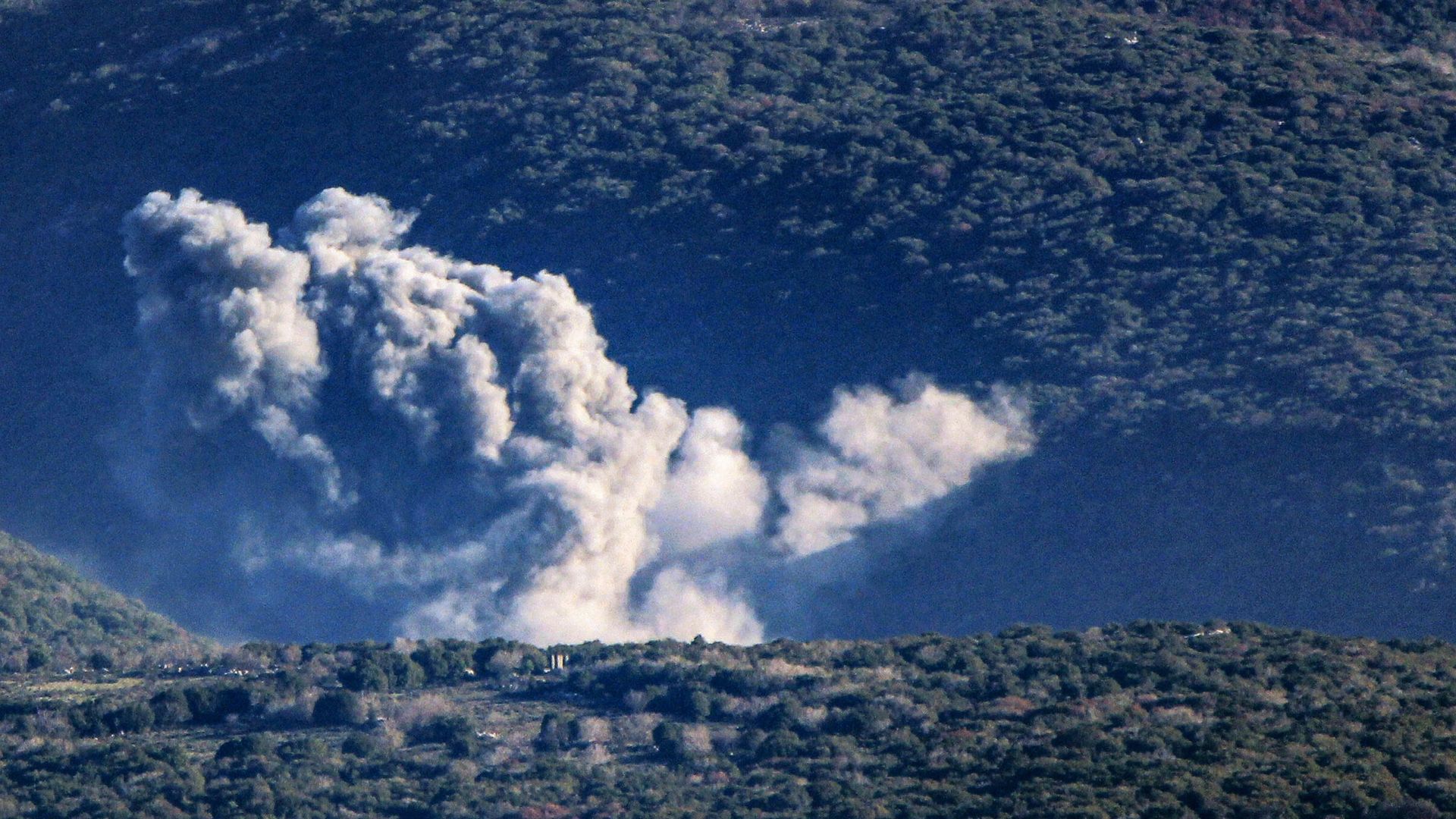
European leaders are currently engaged in a desperate diplomatic sprint to pull Washington and Tehran back to the negotiating table, but the reality on the ground suggests they are chasing a ghost. Over the weekend, the E3—Britain, France, and Germany—issued a joint plea for a "negotiated settlement" following a massive wave of U.S. and Israeli airstrikes that reportedly decapitated the Iranian leadership, including Supreme Leader Ali Khamenei. While European capitals frame this as a necessary pivot to prevent a regional inferno, the move is less about a sudden faith in diplomacy and more about the absolute collapse of European leverage in the Middle East.
The strategy in Brussels and London is clear: stop the momentum of Operation Epic Fury before it permanently redraws the map in a way Europe cannot control. By calling for a resumption of talks, Prime Minister Keir Starmer and President Emmanuel Macron are attempting to revive a diplomatic framework that was already on life support long before the first missiles hit Tehran. They are betting that a wounded Iranian state, facing internal collapse and external erasure, might finally accept the "permanent deal" that Donald Trump has demanded. It is a high-stakes gamble that ignores the fact that there may soon be no one left in Tehran with the authority to sign a piece of paper.
The Mirage of the Middle Path
For years, Europe played the role of the "good cop," trying to keep the Joint Comprehensive Plan of Action (JCPOA) alive through sheer willpower. That era ended abruptly in September 2025 when the E3 themselves triggered the snapback mechanism, reinstating UN sanctions after Iran refused to roll back its enrichment levels. This was the ultimate admission of failure. By reimposing these penalties, Europe effectively surrendered its unique position as a mediator.
Now, with the U.S. and Israel pursuing a policy of "regime decapitation" rather than "behavior modification," the European call for talks feels like an anachronism. The Biden-era philosophy of containment has been replaced by a Trump-era doctrine of liquidation. When the White House speaks of negotiations now, it isn't talking about enrichment percentages or centrifuge counts; it is talking about terms of surrender.
Why Europe is Terrified
The panic in European capitals isn't just about nuclear proliferation. It is about the immediate, messy consequences of a vacuum.
- Energy Insecurity: Despite efforts to diversify, any prolonged closure of the Strait of Hormuz—which Iran has already threatened via drone attacks on tankers—would send Brent crude prices into a vertical climb.
- The Refugee Ghost: Memories of the 2015 migration crisis haunt every election cycle in the EU. A total state collapse in Iran, a nation of 88 million, would dwarf previous humanitarian disasters.
- Loss of Relevance: If the U.S. and Israel successfully topple the current order in Tehran without European "facilitation," the EU’s claim to being a global security actor is effectively finished.
European leaders are essentially asking for a seat at a table that hasn't been set yet. They are calling for "restraint" at a moment when the Israel Defense Forces and the U.S. Navy are already deep into the execution of a pre-planned target list.
The Negotiating Table is a Battlefield
The fundamental disagreement isn't about whether to talk, but what to talk about. Before the strikes, Omani mediators suggested Iran was ready to make massive concessions, including a freeze on uranium stockpiling. However, the U.S. position has hardened into an all-or-nothing demand: the total dismantling of the Fordow and Natanz facilities, the surrender of all enriched material, and a permanent end to the ballistic missile program.
The Iranian response has been a mix of defiance and desperation. Just days before the current escalation, Iranian officials were reportedly offering mineral rights and oil contracts to American companies in a bid to buy off the Trump administration. It didn't work. The White House saw the offer not as a bridge, but as a sign of terminal weakness.
The Successor Vacuum
The most significant hurdle to the European plan is the current status of the Iranian state. With Khamenei reportedly dead and the Islamic Revolutionary Guard Corps (IRGC) command structure in disarray, there is no centralized "Iran" to negotiate with.
The "Negotiated Solution" requires a stable partner. If the Iranian government is currently a collection of panicked mid-level bureaucrats and embattled military officers, a diplomatic "resumption" is a mathematical impossibility. Europe is calling for a dialogue with a burning building.
The Failure of Snapback Diplomacy
The E3's decision to trigger the snapback last year was meant to be a "last warning." Instead, it functioned as a green light for the hawks in Washington. By proving that even the most patient diplomats in the West had reached their limit, the Europeans inadvertently validated the argument that force was the only remaining option.
We are now seeing the result of that miscalculation. The U.S. and Israel have decided that the risk of a regional war is preferable to the risk of a nuclear-armed Iran. Europe, caught in the middle, is trying to use the language of 2015 to solve the problems of 2026. It is a mismatch of tools and reality.
If the goal is truly to "allow the Iranian people to determine their future," as the E3 statement suggests, then the time for managed diplomatic cycles has passed. The future of the region is being decided by JDAMs and cyber-strikes, not by communiqués from Brussels. The European push for talks is a performance for an audience that has already left the theater. To believe that a few days of emergency meetings can reverse a decade of escalating hostility is more than just optimism; it is a refusal to accept that the old order is gone.
The only way forward now is to prepare for the fallout of a post-clerical Iran, a task that requires a level of coordination and military readiness that the EU has historically struggled to muster. Stop looking for the "negotiated settlement" and start looking for the exit strategy.