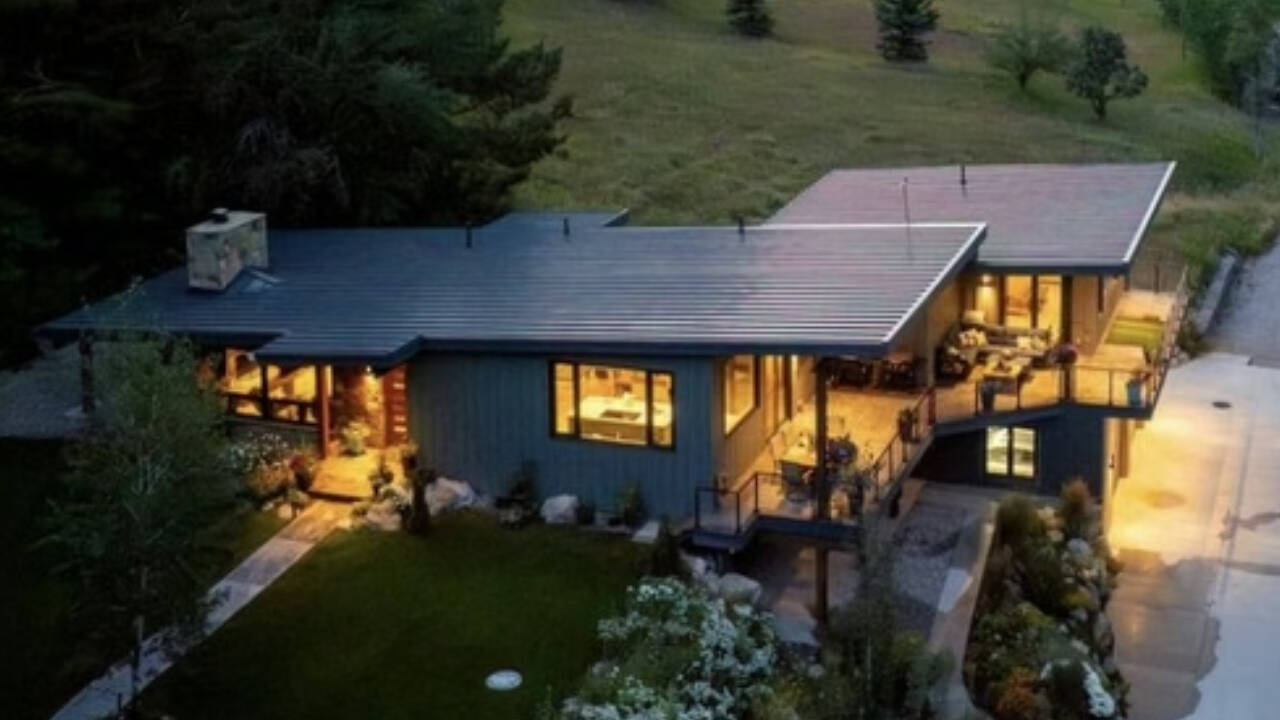
Real estate transactions tied to American cultural royalty rarely reflect standard market metrics, yet the recent sale of Julia Child’s long-time home at 103 Irving Street in Cambridge, Massachusetts, defies simple categorization. Listed at $6.475 million and swiftly clearing after a mere nine days on the market for $6.525 million, the property offers a fascinating study in the monetization of invisible heritage. Buyers did not pay six-and-a-half million dollars for a preserved culinary time capsule. They paid for an address on "Professors' Row" and the spectral weight of a woman who permanently altered how America views its own kitchen.
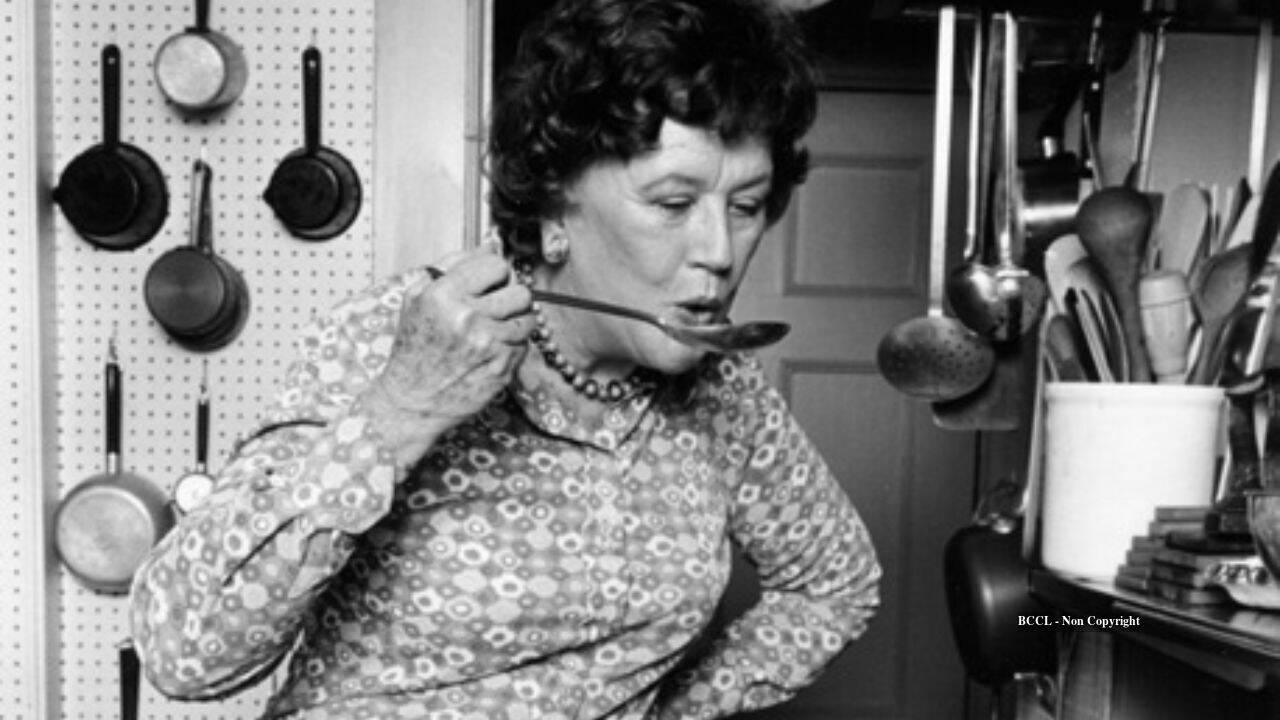
The fundamental tension of 103 Irving Street lies in what is missing. When Child departed the shingle-style house in 2001 for a retirement community, her legendary kitchen did not stay behind. She famously dismantled the pegboards, counters raised to accommodate her six-foot-two-inch frame, and custom gas burners, donating the entire assembly to the Smithsonian National Museum of American History. Walking through the home today reveals Poggenpohl cabinetry, sleek marble surfaces, and Sub-Zero refrigeration. It is a high-end, contemporary kitchen designed for modern elite convenience, completely scrubbed of the copper pots and heavy grease-splattered walls that birthed public television cooking shows. If you liked this piece, you might want to check out: this related article.
This absence exposes the mechanics of celebrity real estate speculation. Subsequent owners—most notably Harvard Law professor Michael Klarman and his wife, Lisa Landsverk, who purchased the six-bedroom structure in 2009 for $3.7 million—poured substantial capital into modernizing the layout. They opened up the living spaces, integrated high-end utilities, and polished the grounds. Yet, marketing materials leaned heavily on the ghost of the woman who filmed The French Chef on the premises. Real estate agents understand that provenance functions as an invisible anchor for valuation. It commands a premium that cushions the property against broader macroeconomic fluctuations in the Cambridge housing sector.
Consider the neighborhood economics. Situated a few blocks from Harvard Yard, Irving Street sits within an enclave where academic prestige and old wealth intersect. Properties here do not trade on square footage alone; they trade on scarcity and historical zoning continuity. When the house last changed hands during the fallout of the 2008 financial crisis, it lingered on the market and ultimately sold below its initial asking price. Fast forward to the current market cycle, and the rapid nine-day sale at above-asking value demonstrates that elite buyers treat historic provenance as an irreplaceable asset class. For another perspective on this event, check out the recent coverage from Cosmopolitan.
Yet, treating a home as a monument while gutting its primary functional artifact creates a strange ontological paradox. The porte-cochère remains—the sheltered driveway where Child parked her Volkswagen. The mature trees and quiet brick patio still offer the secluded academic atmosphere that drew intellectuals like philosopher Josiah Royce and psychologist William James to the immediate vicinity decades prior. The walls remember the butter, the wine, and the clatter of heavy steel whisks, even if the current inhabitants prep meals on pristine white marble that never felt the heat of a crashing omelet.
Skeptics might argue that stripping out the kitchen strips out the soul, reducing a sacred culinary landmark to an expensive piece of real estate vanity. That argument misunderstands how architectural legacy survives. A house is not a museum exhibit. It is a shelter that absorbs the energy of its occupants and reflects the ambitions of the era that built it in 1889. Child herself recognized this when she packed up her counters for Washington, leaving the physical shell behind for the next wave of academics and professionals.
The transaction closes a chapter on a piece of television history, proving that while copper pans belong behind glass in the Smithsonian, the mythos of a kitchen built for ambition carries a price tag that only climbs higher with time.